TECH Signal 467
Four simple rules behind Japan's most liveable cities
 ↗
↗
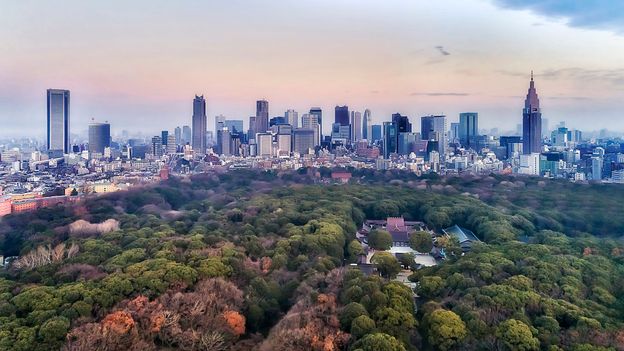
Japan's high urban liveability rankings stem from intentional design choices that prioritize pedestrian-scale infrastructure and universally accessible transit.
For engineers and system designers, these urban planning principles offer a model for building frictionless, inclusive systems. Designing infrastructure that accommodates edge cases, such as wheelchair users, inherently improves the baseline experience for all users. The Japanese approach demonstrates how reducing everyday friction yields measurable stability and reliability.
Written by elseif from the cluster below · every claim links back to a sourceThe three things worth knowing
Osaka and Tokyo ranked in the top ten of the 2026 Global Liveability Index due to perfect scores in stability, healthcare, and education.
Neighborhoods structured around covered shopping streets reduce reliance on cars by placing daily necessities within flat, walkable distances.
A national "Barrier-Free" law led to step-free access at the vast majority of highly trafficked transit stations, ensuring reliable transit for all mobility levels.
THE CLUSTER