AI Signal 466
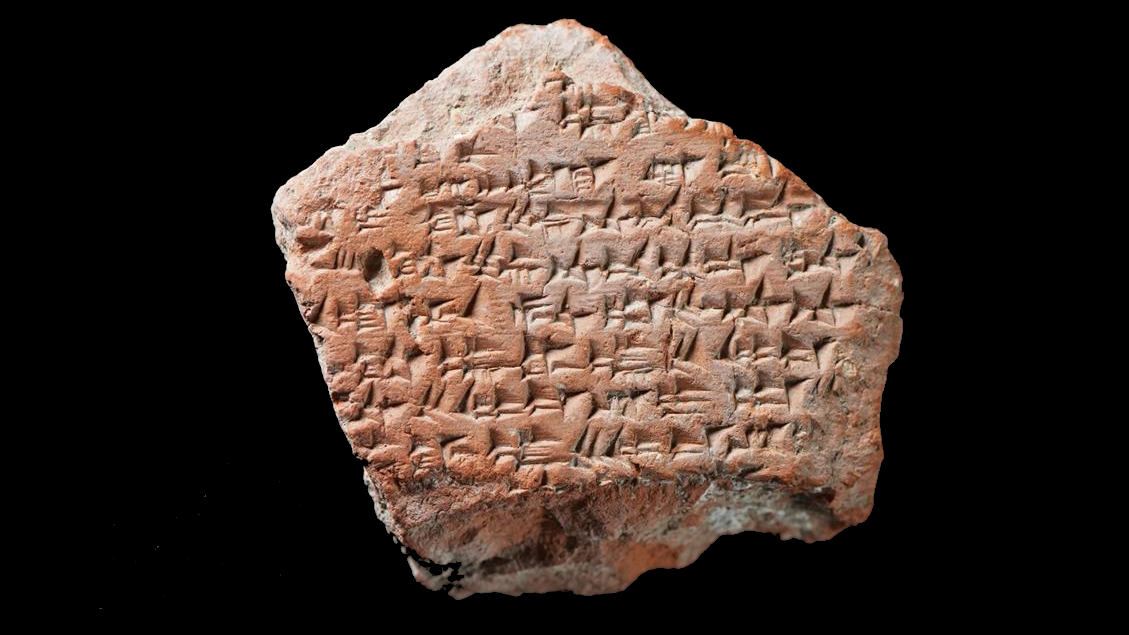
Fragment of oldest known peace treaty found in Turkey
 ↗
↗
Comments
The discovery of the Treaty of Kadesh fragment highlights historical approaches to diplomacy and refugee treatment. Understanding ancient treaties can inform modern legal frameworks and humanitarian efforts. This find also underscores the significance of archaeological research in revealing cultural heritage.
Written by elseif from the cluster below · every claim links back to a sourceThe three things worth knowing
The newly unearthed fragment dates back to around 1269 B.C. and is part of the Treaty of Kadesh.
The treaty includes historical provisions regarding the treatment of refugees during conflicts.
Ongoing excavations at Hattusha may reveal more fragments of this significant diplomatic document.
THE READ
What the cluster adds up to.
The recent discovery of a fragment of the Treaty of Kadesh, the oldest known peace treaty, adds to our understanding of ancient diplomatic relations. This find is particularly significant as it not only emphasizes the historical context of the treaty but also its provisions regarding the treatment of refugees, reflecting the values of the societies involved.
The fragment was found at Hattusha, the ancient capital of the Hittite Empire, during ongoing archaeological excavations. This area has yielded various diplomatic documents in the past, indicating its importance as a center for political negotiations during the Bronze Age. Understanding this context could provide insights into the complexities of ancient diplomacy and conflict resolution.
The treaty's specific clauses about the treatment of refugees, prohibiting punishment for those fleeing, reveal a sophisticated understanding of humanitarian principles. These ancient guidelines resonate with contemporary discussions on refugee rights and can serve as a historical reference point for modern legal frameworks regarding asylum and human dignity.
As excavations continue, there is potential for uncovering additional fragments that could complete the text of this influential treaty. Such discoveries could offer further insights into the agreements between ancient civilizations and their approaches to war and peace. The implications of these findings extend beyond archaeology, influencing how we view historical and modern diplomacy.
Overall, the fragment serves as a reminder of humanity's long-standing efforts to establish peace and the legal frameworks that govern human interactions. The historical legacy of the Treaty of Kadesh may inform current diplomatic practices, particularly in addressing the challenges faced by refugees and displaced persons around the world.
Written by elseif from the cluster below · checked for specifics the sources never containedTHE CLUSTER