TECH Signal 400
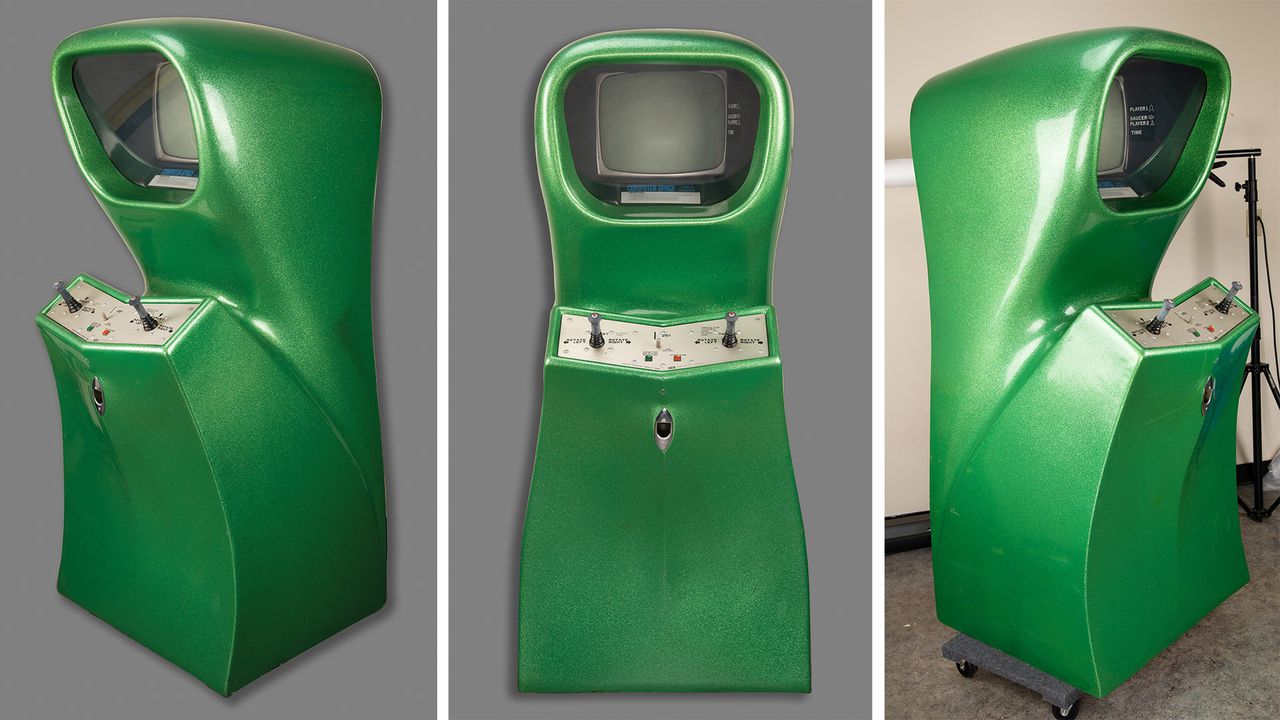
Rare 1973 2-player Computer Space arcade cabinet with green sparkle finish auctioned at $200,000 estimate
 ↗
↗
A functioning 2-player edition of Computer Space, reportedly the first arcade video game, is being auctioned with a $200,000 valuation.
This auction highlights the historical significance and scarcity of early arcade hardware. For engineers, it underscores the rapid evolution of gaming technology from rudimentary designs to modern systems. The sale also reflects the growing market for retro computing artifacts.
Written by elseif from the cluster below · every claim links back to a sourceThe three things worth knowing
Computer Space, created by Syzygy Engineering (later Atari), is considered the first arcade video game and first commercially available video game.
The auctioned 2-player 'green sparkle' cabinet from 1973 is far rarer than the single-player version, which previously sold for $69,000.
The auction is part of a larger event celebrating computing history, including artifacts tied to Steve Jobs and Apple.
THE READ
What the cluster adds up to.
The auction of a 2-player Computer Space arcade cabinet marks a rare opportunity to acquire a piece of gaming history. This machine, developed by Syzygy Engineering before the company rebranded as Atari, represents the foundational era of arcade gaming. Its dual-player functionality and distinctive green sparkle finish distinguish it from the more common single-player version, which has fetched lower prices in past sales. The $200,000 estimate reflects its scarcity and historical value, though the current bid remains significantly lower at the time of writing.
For engineers, the design of Computer Space offers a glimpse into early hardware constraints and innovation. The controls, a joystick for rotation and thrust, paired with a fire button, were rudimentary by modern standards but groundbreaking for their time. The machine’s circuitry and display technology were primitive compared to today’s systems, yet they laid the groundwork for subsequent advancements like Pong and the Atari 2600. The auction underscores how far gaming hardware has evolved in terms of ergonomics, processing power, and user experience.
The sale also highlights the broader market for retro computing artifacts. While Computer Space may not be as widely recognized as later arcade classics, its historical significance drives collector interest. The inclusion of this cabinet in an auction alongside Apple-related memorabilia suggests a growing appreciation for early computing milestones. For engineers and historians, such artifacts provide tangible connections to the origins of the industry, offering insights into the challenges and creativity of early game development.
The auction’s timing and context, part of a larger event commemorating computing history, further emphasize the cultural and technical importance of these early machines. While the $200,000 estimate may seem high, it aligns with the premium placed on rare, functioning examples of foundational technology. For those in the field, this sale is less about the gameplay experience and more about preserving a critical piece of engineering heritage.
Written by elseif from the cluster below · checked for specifics the sources never containedTHE CLUSTER