TECH Signal 6
GM reportedly retains CarPlay and Android Auto only in Cadillac Lyriq amid broader phase-out
 ↗
↗
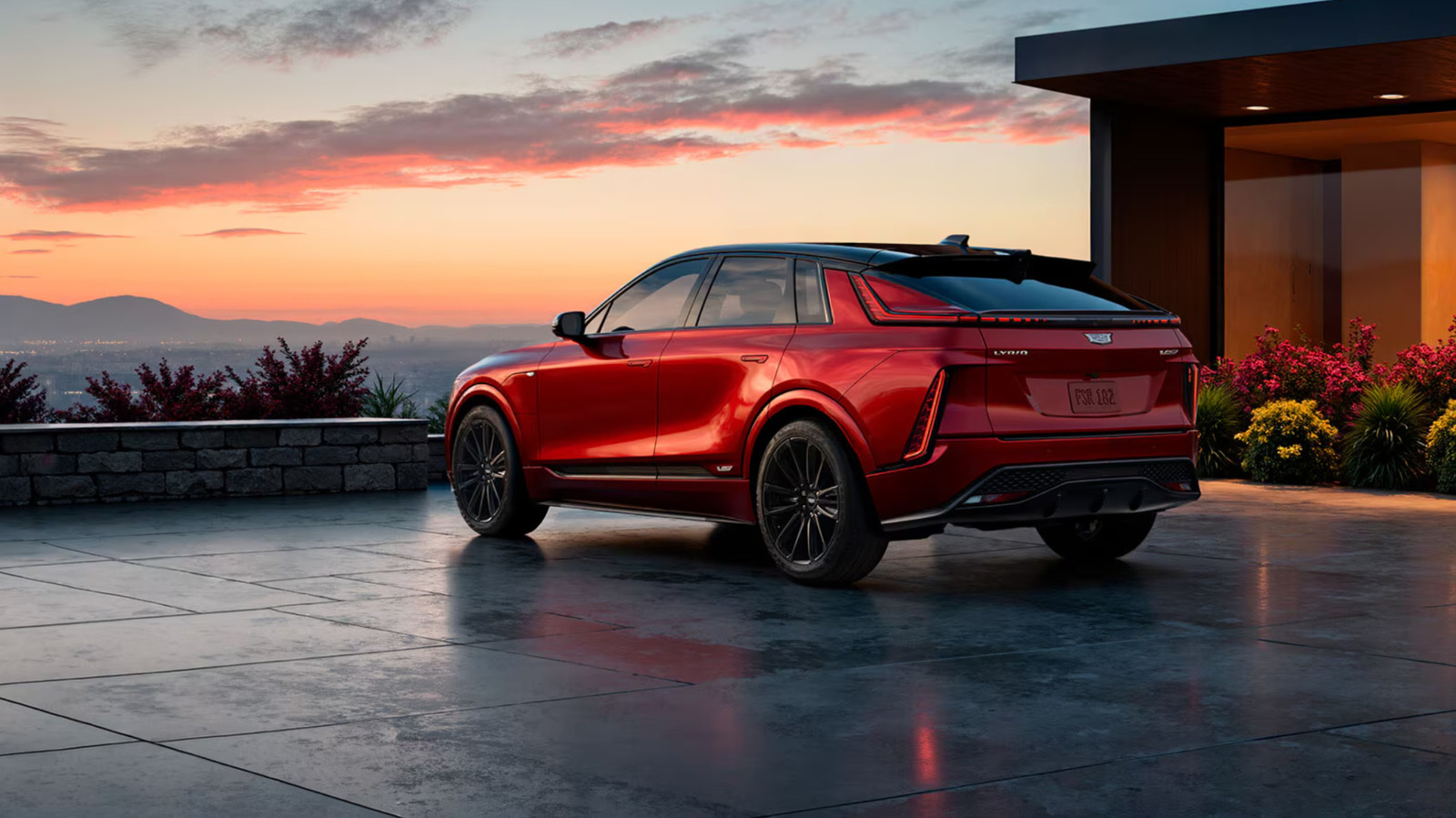
General Motors is removing Apple CarPlay and Android Auto from most vehicles but will keep them in the 2027 Cadillac Lyriq EV.
This shift forces engineers to adapt in-vehicle software to GM’s proprietary AI-driven infotainment system, increasing integration complexity. The exception for the Lyriq suggests customer feedback may still influence infotainment decisions, creating uncertainty for future vehicle software strategies.
Written by elseif from the cluster below · every claim links back to a sourceThe three things worth knowing
GM is replacing CarPlay and Android Auto with its own AI-powered infotainment system across most models.
The 2027 Cadillac Lyriq will retain CarPlay and Android Auto, making it the sole GM EV in North America with both.
Third-party adapters like EV Play LT offer a workaround for drivers wanting phone mirroring in GM EVs without native support.
THE READ
What the cluster adds up to.
General Motors is moving away from Apple CarPlay and Android Auto in favor of its own infotainment platform, which integrates Google’s Gemini AI assistant. This transition affects most of its lineup, including gas-powered vehicles and EVs like the Chevy Silverado EV and GMC Hummer EV, where third-party phone mirroring was removed earlier this year. The change reflects a broader industry trend toward proprietary systems, which manufacturers argue offer better integration and functionality. However, the shift introduces challenges for engineers, who must now design and test software within GM’s closed ecosystem rather than relying on widely adopted standards.
The exception for the 2027 Cadillac Lyriq complicates GM’s strategy. While the company cites customer feedback as the reason for retaining CarPlay and Android Auto in the Lyriq, it has not extended this logic to other models. This inconsistency suggests either a segmented approach to infotainment, prioritizing luxury vehicles, or an experimental phase where GM is testing market reactions. For engineers, this creates uncertainty about whether future models will follow the Lyriq’s path or align with GM’s broader phase-out. The decision also raises questions about whether GM’s AI-driven system can fully replace the familiarity and functionality of CarPlay and Android Auto.
GM’s proprietary system aims to deliver a seamless experience with features like smart route planning, hands-free texting, and curated entertainment. However, the company has acknowledged the need to support key third-party apps, such as Apple Music, to ease the transition for users. This hybrid approach, replacing phone mirroring while retaining select apps, highlights the tension between control and user convenience. Engineers must now balance GM’s push for a unified in-house system with the practical need to support popular applications, which may require additional development effort and compatibility testing.
For drivers and developers, the removal of CarPlay and Android Auto introduces potential friction. While GM’s system may offer advanced AI features, users accustomed to phone mirroring may resist the change. Third-party adapters like EV Play LT provide a workaround, but these solutions are not officially supported and may introduce latency or compatibility issues. The Lyriq’s exception suggests GM is aware of this resistance, but its limited scope leaves most customers without a native option. Engineers working on in-vehicle software must now account for this divide, ensuring their applications function smoothly in both GM’s proprietary environment and the few models where CarPlay and Android Auto remain.
Written by elseif from the cluster below · checked for specifics the sources never containedTHE CLUSTER