TECH Signal 371
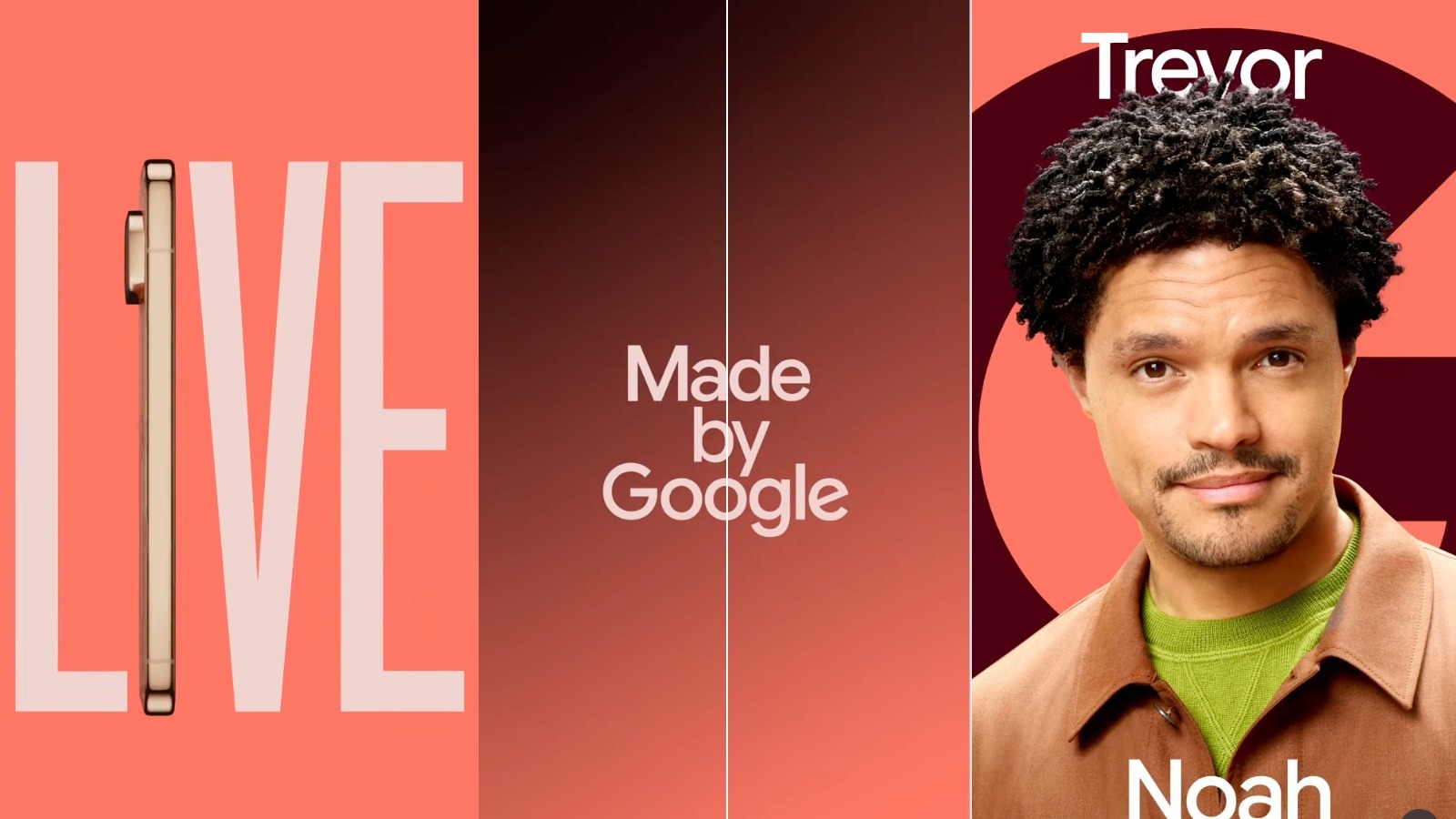
Google reportedly unveils Pixel 11 series with new devices and AI features
 ↗
↗
Google’s live event introduces the Pixel 11, Pixel 11 Pro, Pixel 11 Pro Fold, and Pixel Watch 5 alongside AI-driven updates
The Pixel 11 lineup marks Google’s latest push into hardware and AI integration, directly competing with Apple and Samsung. For engineers, the AI features and foldable form factor may signal new software and hardware constraints to account for in development.
Written by elseif from the cluster below · every claim links back to a sourceThe three things worth knowing
Pixel 11, Pixel 11 Pro, and Pixel 11 Pro Fold expand Google’s hardware portfolio with a foldable device
AI features are a focal point, likely requiring developer adaptation for new APIs or on-device processing
Pixel Watch 5 release suggests tighter integration between Google’s wearables and mobile ecosystem
THE READ
What the cluster adds up to.
Google’s introduction of the Pixel 11 series, including the Pixel 11 Pro Fold, indicates a strategic shift toward foldable devices. For engineers, this means accounting for new screen dimensions, hinge mechanics, and app continuity challenges. The foldable form factor may require UI/UX adjustments to ensure seamless transitions between folded and unfolded states, as well as compatibility with existing Android frameworks that may not natively support such hardware.
The emphasis on AI features suggests Google is doubling down on on-device machine learning. Developers may need to optimize apps for new AI-driven functionalities, such as real-time language translation, image processing, or contextual suggestions. These features could rely on updated Tensor chips or software APIs, potentially increasing the computational load on devices and requiring performance tuning to avoid latency or battery drain.
The Pixel Watch 5’s release alongside the Pixel 11 series hints at deeper integration between Google’s wearables and mobile devices. Engineers working on cross-device applications will need to consider how data syncs between the watch and phone, as well as how notifications, health metrics, and app states are managed across platforms. This could introduce new dependencies on Google’s Wear OS and its associated development tools.
While the event highlights hardware and AI advancements, the practical implications for engineers remain speculative until official documentation is released. The lack of concrete details on APIs, SDKs, or hardware specifications means developers must wait for Google’s official developer resources to assess the full scope of changes. Until then, the focus will likely be on preparing for potential shifts in app architecture or performance requirements.
Written by elseif from the cluster below · checked for specifics the sources never containedTHE CLUSTER