TECH Signal 330
Pixel 11 Pro adds dual new camera sensors and AI-driven Magic Capture for 2026
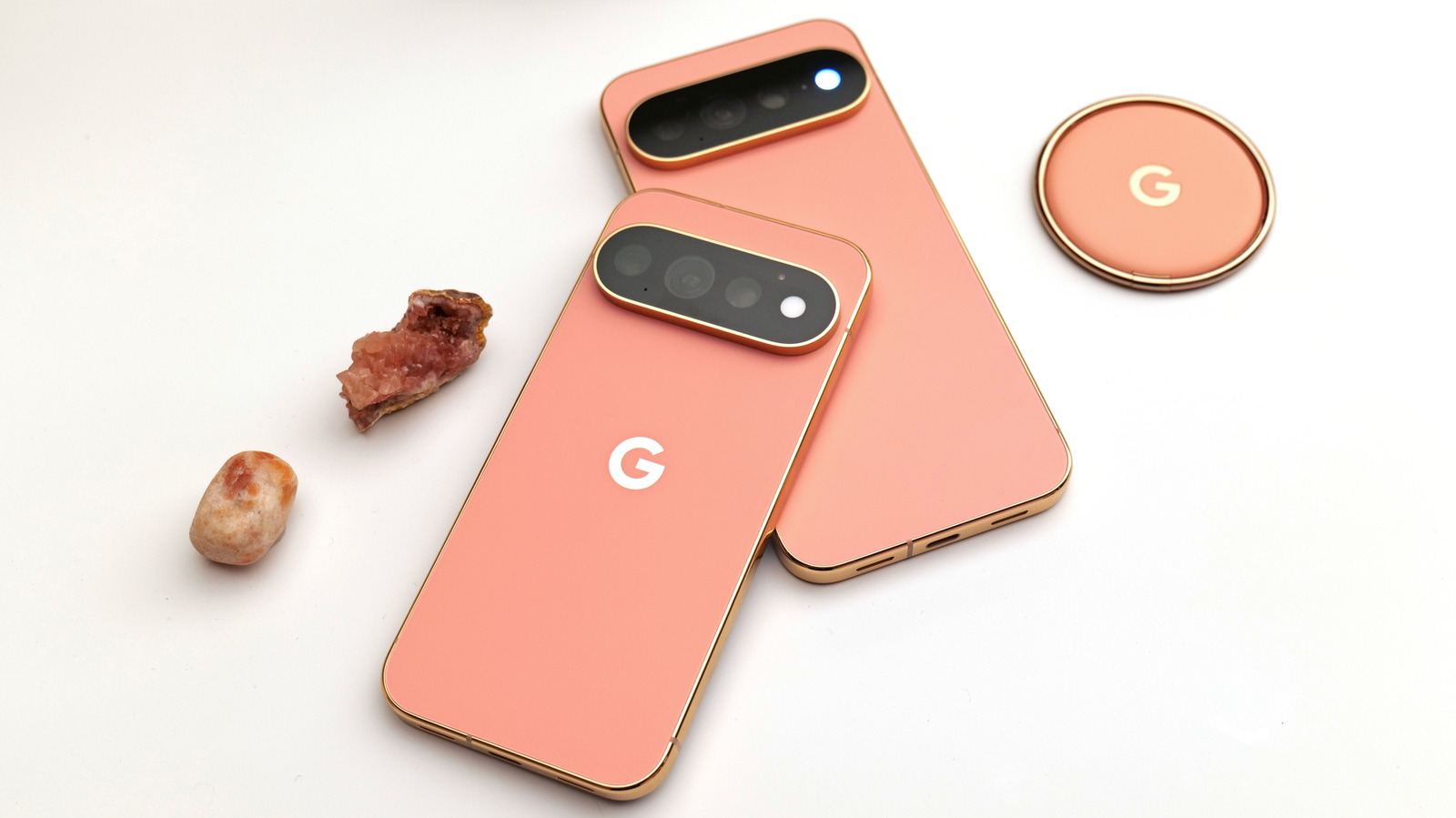 ↗
↗
Google’s Pixel 11 Pro introduces two new 48MP and 50MP camera sensors alongside an AI-powered Magic Capture feature for automated shot selection.
The Pixel 11 Pro’s hardware and software upgrades target mobile photography workflows, reducing manual effort while increasing storage and charging speed. For engineers, the Tensor G6’s ISP and post-quantum security chip may influence embedded system design choices in future devices.
Written by elseif from the cluster below · every claim links back to a sourceThe three things worth knowing
New 50MP main and 48MP zoom sensors replace older modules, paired with an AI-driven Magic Capture feature for automated photo selection.
Tensor G6 processor improves Night Sight performance by up to 4.5x and doubles base storage to 256GB without increasing RAM.
Qi 2.2 wireless charging reaches 25W, while wired charging jumps to 45W, requiring compatible adapters and cables.
THE READ
What the cluster adds up to.
The Pixel 11 Pro’s camera upgrades center on sensor resolution and computational photography. The new 50MP main sensor and 48MP zoom sensor replace older modules, while Magic Capture automates shot selection by analyzing 400 frames per scene. This shifts the burden of timing and framing from the user to the device’s AI, which may appeal to casual photographers but could frustrate those who prefer manual control. The feature’s two-minute video limit and reliance on Google’s ISP suggest it is optimized for social sharing rather than professional workflows.
Performance improvements in the Tensor G6 processor focus on power efficiency and image processing. The claimed 4.5x boost in Night Sight performance and 20% better power efficiency are incremental gains, not generational leaps. Doubling base storage to 256GB addresses a long-standing pain point for users, though RAM remains unchanged at 12GB or 16GB. The Titan M3 security chip’s post-quantum cryptography support is a forward-looking addition, but its real-world impact is difficult to assess without independent testing.
Charging upgrades are the most tangible hardware change for end users. Qi 2.2 wireless charging at 25W and wired charging at 45W represent a 50% increase over the previous model, though both require compatible accessories. The lack of a bundled power adapter means users must source these separately, adding cost and complexity. The phone’s design remains largely unchanged, with only minor tweaks to materials and colors, suggesting Google prioritized internal upgrades over external differentiation.
For engineers, the Pixel 11 Pro’s Tensor G6 ISP and Magic Capture feature highlight the growing role of AI in mobile imaging. The ISP’s ability to process 400 frames per scene for automated selection demonstrates the computational load required for real-time image analysis. Meanwhile, the Titan M3’s post-quantum cryptography support may influence security implementations in other embedded systems, though its adoption will depend on broader industry standards. The charging improvements, while welcome, underscore the limitations of proprietary fast-charging ecosystems.
Written by elseif from the cluster below · checked for specifics the sources never containedTHE CLUSTER