TECH Signal 359
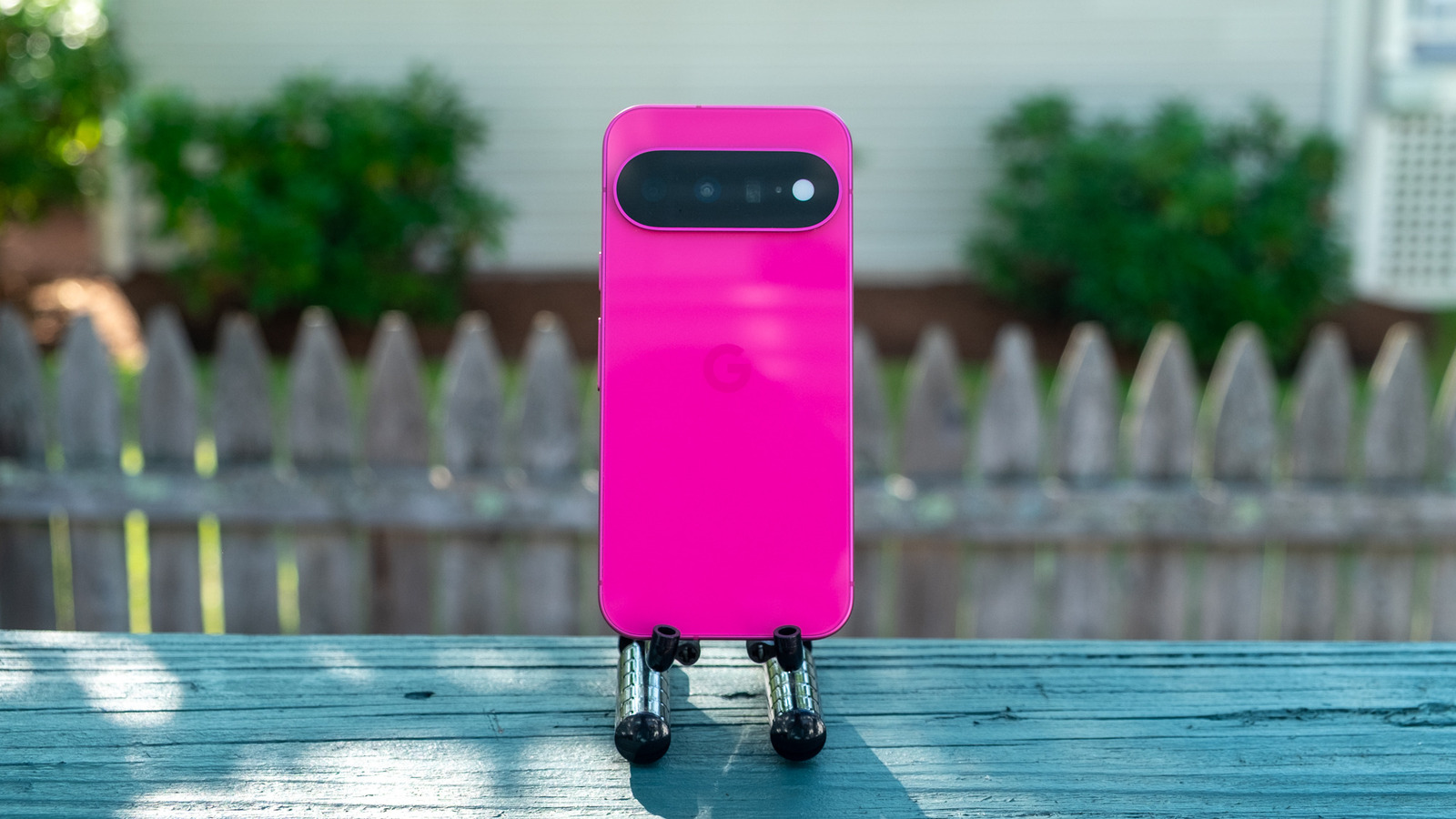
Pixel 11 adds 30x Super Zoom and larger camera sensor for $100 higher price
 ↗
↗
Google’s Pixel 11 raises the base price by $100 while delivering modest hardware updates and extended zoom capability
The Pixel 11’s incremental changes reflect the broader smartphone market’s stagnation in hardware innovation. For engineers, the trade-off between cost and marginal improvements may influence procurement decisions, especially when evaluating camera performance and AI features against competing devices.
Written by elseif from the cluster below · every claim links back to a sourceThe three things worth knowing
Pixel 11 increases base price by $100 over the Pixel 10 with few hardware changes
30x Super Zoom replaces last year’s 20x, using AI upscaling without generative fill
Larger main camera sensor and updated Tensor G6 processor are the primary upgrades
THE READ
What the cluster adds up to.
The Pixel 11’s $100 price increase over its predecessor is the most immediate change for buyers. While the device retains the same 6.3-inch display and overall design, the higher cost may deter upgrades from recent Pixel owners. For engineers evaluating hardware refresh cycles, the marginal improvements, such as the larger camera sensor and extended zoom, may not justify the expense unless specific use cases, like mobile photography or AI processing, are critical.
Camera performance remains a key differentiator for the Pixel 11, though the upgrades are subtle. The 30x Super Zoom leverages AI-driven HDR+ processing to enhance detail, but the results still fall short of professional-grade optics. The larger main sensor improves low-light performance, but the lack of generative AI in zoom suggests Google is prioritizing computational photography over hardware innovation. This approach may appeal to developers working on image-processing applications but offers little for those seeking raw hardware advancements.
The Tensor G6 processor and additional base storage are the most tangible hardware updates, yet neither represents a breakthrough. The processor’s performance gains are likely incremental, and the extra storage may only matter to users with heavy media or app usage. For engineers, the Pixel 11’s value proposition hinges on software features like AI tricks, which may not translate to broader ecosystem benefits. The lack of a telephoto lens on competing base models (e.g., iPhone 17) keeps the Pixel 11 competitive, but the gap is narrowing.
The Pixel 11’s iterative updates underscore the challenges of justifying annual smartphone upgrades. While the device remains a strong contender in the Android market, its appeal is limited to users with older hardware or those prioritizing Google’s AI features. For engineers, the decision to adopt the Pixel 11 may depend on specific workflows, such as testing AI-driven applications or leveraging the extended zoom for fieldwork. However, the higher price and modest improvements make it a harder sell for budget-conscious teams.
Written by elseif from the cluster below · checked for specifics the sources never containedTHE CLUSTER