TECH Signal 330
Pixel 11 phones add proactive AI notifications and contextual assistance requiring subscriptions
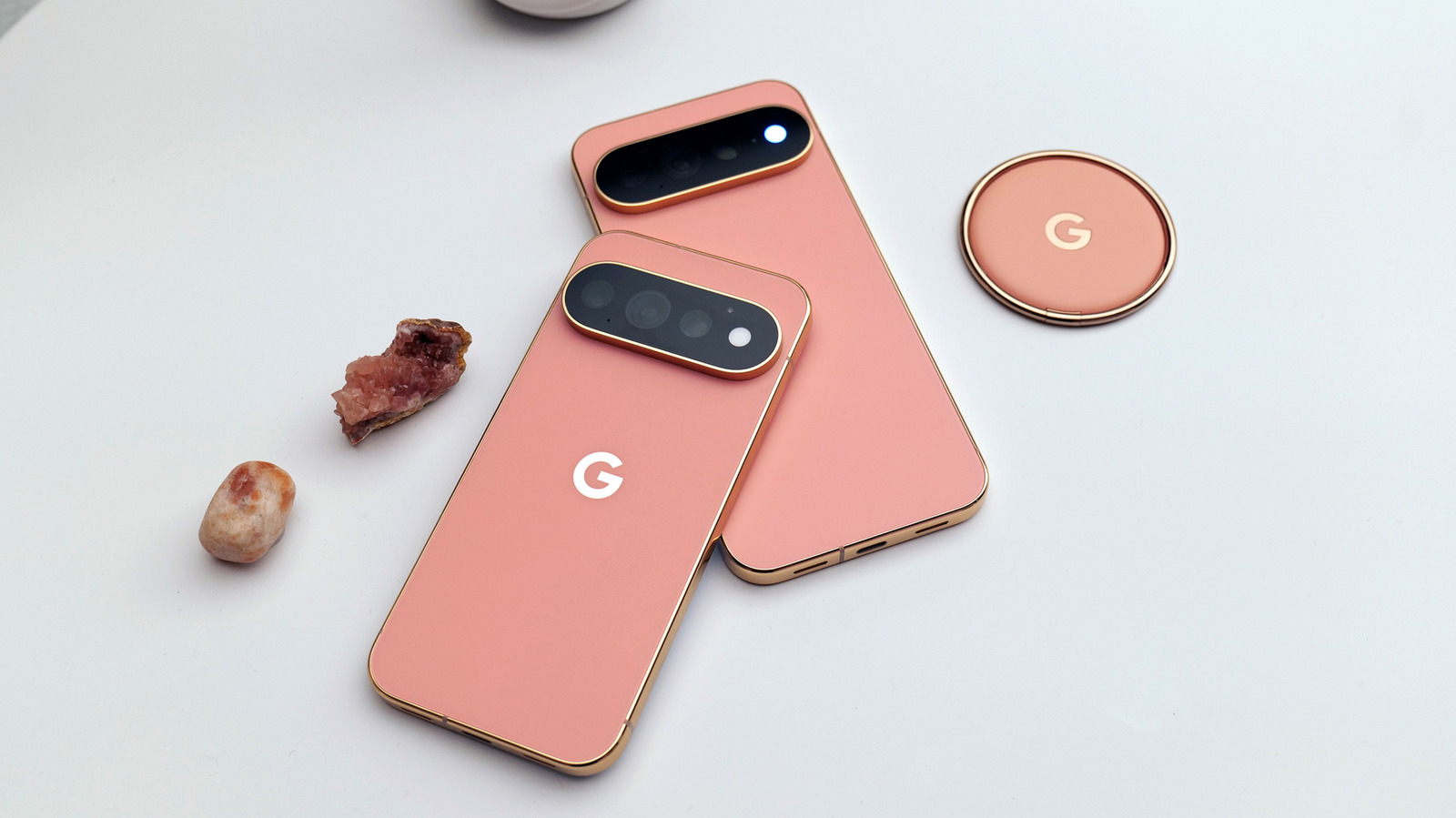 ↗
↗
Google’s Pixel 11 integrates upgraded Gemini Intelligence to deliver real-time, context-aware AI help across apps and locations.
Engineers building or integrating mobile AI features must account for subscription-gated usage tiers and real-time contextual triggers. The shift toward proactive assistance raises questions about data privacy, latency, and user control over automated actions.
Written by elseif from the cluster below · every claim links back to a sourceThe three things worth knowing
Pixel 11 phones generate in-app cards and lock screen notifications based on user activity and location.
New features like sign-language-to-text and Magic Capture rely on AI models processing hundreds of frames or gestures.
Some proactive AI assistance requires a subscription for higher usage levels.
THE READ
What the cluster adds up to.
Google’s Pixel 11 phones introduce proactive AI notifications that surface contextual information within apps or on the lock screen. These features expand Gemini Intelligence, the company’s AI agent, to anticipate user needs, for example, pulling flight details from a message or suggesting restaurant reservations during a conversation. The system also ties into location data, offering insights like menu highlights when near a restaurant. This marks a step toward ambient computing, where the device acts as an assistant rather than a passive tool.
The implementation relies on real-time processing of user data, including messages, calendar events, and location. While this reduces manual input, it introduces dependencies on cloud-based AI models and raises latency considerations. Engineers integrating similar features must weigh the trade-offs between responsiveness and computational overhead. The requirement for a subscription for higher usage suggests Google is testing monetization models for AI-driven conveniences, which could limit adoption among cost-sensitive users.
New capabilities like SL2T (sign-language-to-text) and Magic Capture demonstrate AI’s role in accessibility and media capture. SL2T converts sign language into text for searches or messages, while Magic Capture analyzes 400 frames to produce an optimized photo or video. These features highlight the growing complexity of on-device AI, where models must balance accuracy with power efficiency. However, the reliance on proprietary models may restrict third-party developers from building comparable tools without Google’s infrastructure.
The shift toward proactive assistance also surfaces challenges around user trust and control. Automated actions, like saving events to a calendar or securing reservations, require explicit permissions and clear opt-out mechanisms. Engineers must design fail-safes to prevent misfires, such as incorrect reservations or unwanted data sharing. The material does not clarify how Google addresses these risks, leaving open questions about error handling and user recourse for unintended actions.
Written by elseif from the cluster below · checked for specifics the sources never containedTHE CLUSTER