TECH Signal 310
Nintendo GameCube underperformed due to toy-like design, proprietary disc format and weak third-party support
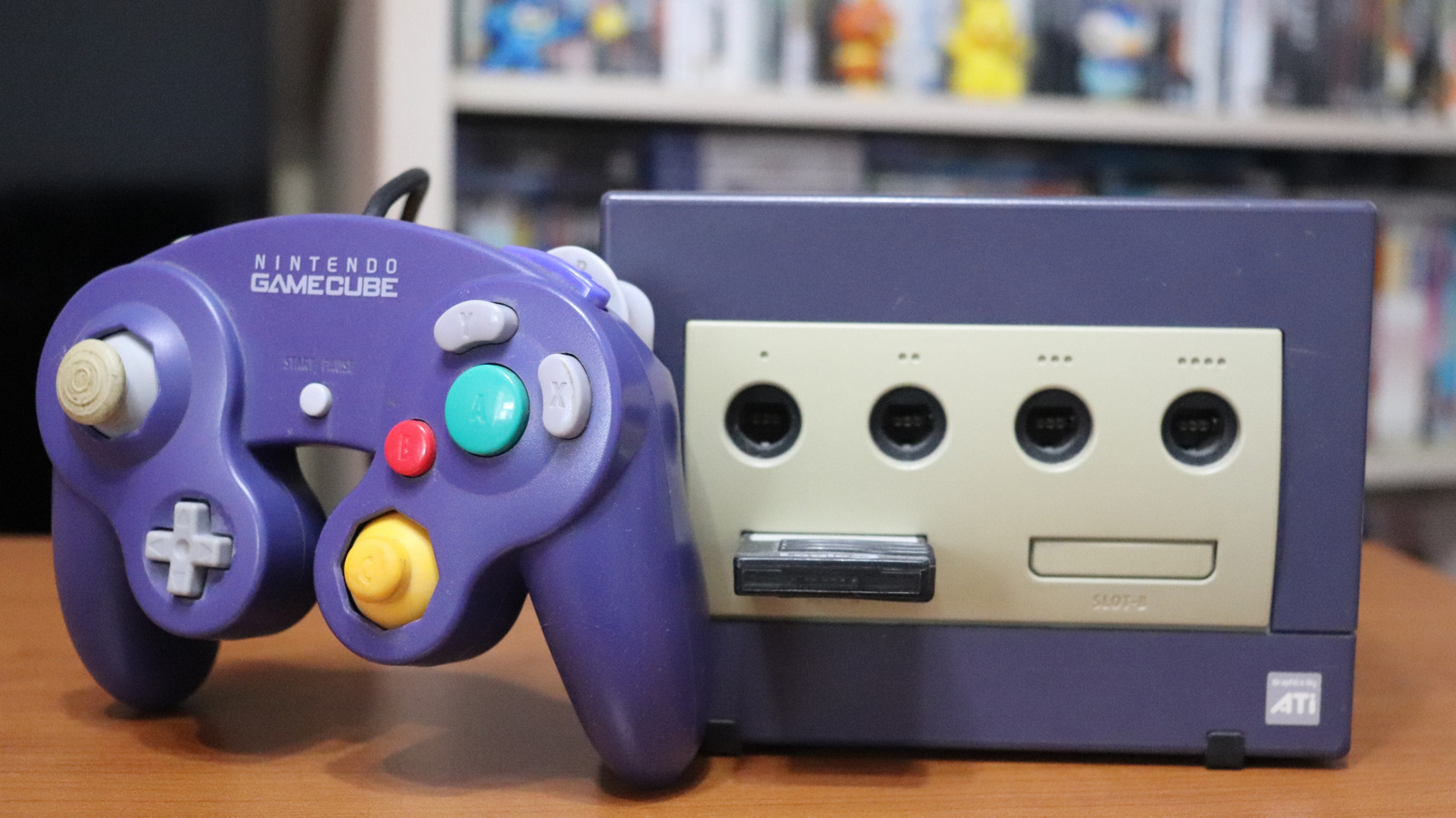 ↗
↗
The GameCube sold poorly at launch, hindered by its small storage discs, childish aesthetics and limited developer backing.
Engineers who build hardware or partner with platform holders can see how technical constraints and ecosystem choices directly affect adoption. The GameCube’s missteps show how even a strong brand can falter when storage, licensing and developer relations are mismanaged.
Written by elseif from the cluster below · every claim links back to a sourceThe three things worth knowing
The GameCube’s 1.47 GB optical discs held less than a third of a single-layer DVD, forcing compression and multi-disc releases.
Its toy-like design and unconventional controller layout alienated older gamers and limited game compatibility.
Major third-party studios skipped the console, reducing its library and long-term appeal.
THE READ
What the cluster adds up to.
The GameCube’s proprietary optical disc format was a technical bottleneck. While Nintendo avoided DVD licensing fees, the 1.47 GB capacity was insufficient for the era’s growing game assets. Compression artifacts in cutscenes and audio were visible even in cross-platform titles, degrading the experience compared to PlayStation 2 and Xbox. The lack of a DVD player further reduced its value as a home entertainment device, a feature competitors leveraged to attract non-gaming consumers.
Design choices that prioritized portability and novelty backfired. The compact, colorful console and its small controller were marketed toward younger audiences, but the core gaming demographic had aged into teenagers and young adults. The controller’s asymmetrical button layout and missing second analog stick made it incompatible with many multiplatform games, forcing developers to either adapt or skip the console entirely. Local four-player support was a rare bright spot, but it wasn’t enough to offset the broader usability issues.
Third-party developer support collapsed due to the disc format and Nintendo’s insular ecosystem. Studios like Rockstar, EA Sports, and Square Enix avoided the platform, while Rare’s departure removed a key first-party partner. The console’s library relied heavily on Nintendo’s own franchises, which limited its appeal to gamers who wanted variety. Without strong third-party backing, the GameCube struggled to compete in an era where cross-platform releases were becoming the norm.
Written by elseif from the cluster below · checked for specifics the sources never containedTHE CLUSTER