SECURITY Signal 131
Department of Homeland Security Monitoring Activists Using Anti-Surveillance Technology
 ↗
↗
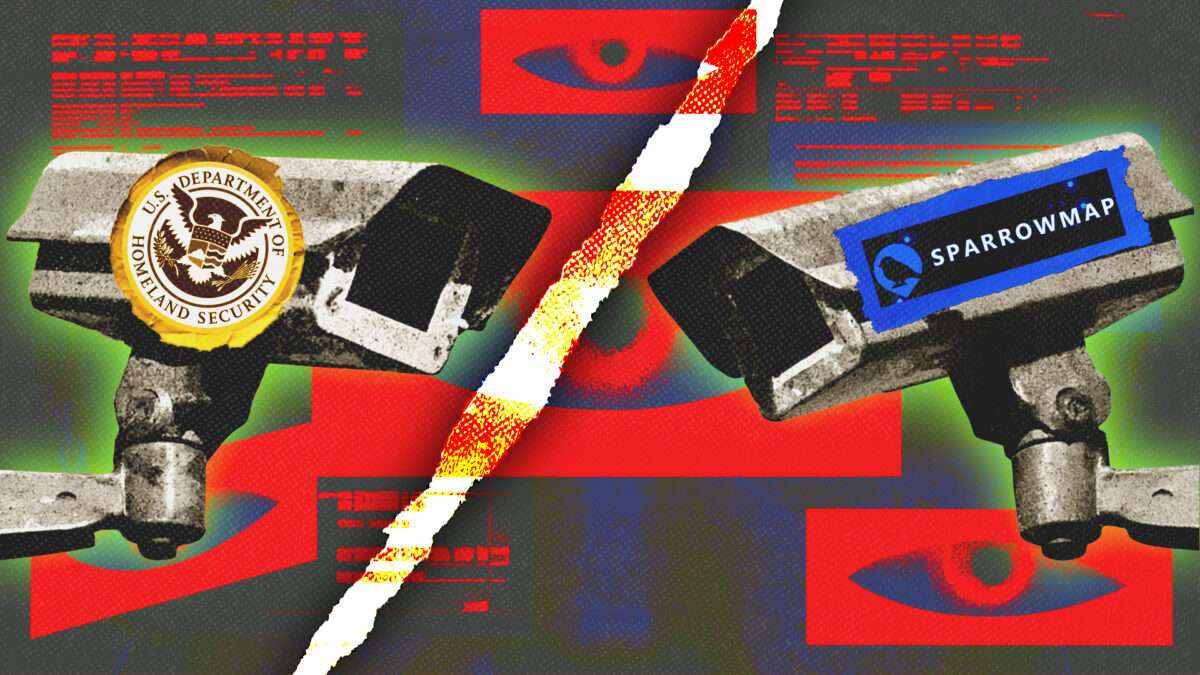
SparrowMap tracks police vehicles using public cameras, prompting government surveillance of its activists.
This monitoring highlights the tension between government surveillance practices and public accountability efforts. The use of technology to track law enforcement raises questions about privacy and civil liberties. The federal response to peaceful activism indicates an increasing concern over dissent related to surveillance and policing.
Written by elseif from the cluster below · every claim links back to a sourceThe three things worth knowing
SparrowMap processes publicly available footage to track police vehicles, relying on volunteer cameras.
Homeland Security fusion centers are monitoring SparrowMap, despite it being a legal and non-threatening platform.
Activists opposing mass surveillance are increasingly labeled similarly to domestic terrorists by federal agencies.
THE READ
What the cluster adds up to.
The Department of Homeland Security (DHS) has begun monitoring activists involved with SparrowMap, a platform that utilizes volunteer-sourced cameras to track police vehicles. This monitoring is part of a broader trend of examining those who challenge government surveillance practices, despite SparrowMap's legal and transparent methods of operation.
SparrowMap collects data from a network of over 14,000 cameras, primarily focusing on public roadways, and only targets police vehicles among a vast number of daily captures. The organization emphasizes the ephemeral nature of its data, deleting most information within a short timeframe, which reduces potential privacy concerns for regular citizens.
The involvement of fusion centers in tracking these activists raises significant issues regarding the balance of power between government oversight and citizen rights. The fusion centers were originally established to improve information sharing after 9/11, but their current function appears to include monitoring dissent against governmental practices, particularly those related to surveillance.
The report linking SparrowMap to threats against ICE suggests that the federal government is prepared to treat legal activism as a potential security threat. This perspective, as framed by certain governmental reports, could lead to increased scrutiny and potential repercussions for citizens engaging in lawful activities that oppose government policies.
The increasing use of advanced intelligence tools by fusion centers to monitor activism may deter public participation in oversight efforts related to law enforcement. As activists are scrutinized under the same lens as potential threats, the chilling effect on free speech and civil liberties becomes a real concern in the context of ongoing debates about surveillance and policing in democratic societies.
Written by elseif from the cluster below · checked for specifics the sources never containedTHE CLUSTER