TECH Signal 358
Honor launches Robot Phone featuring automated pop-up titanium camera gimbal and Arri partnership
 ↗
↗
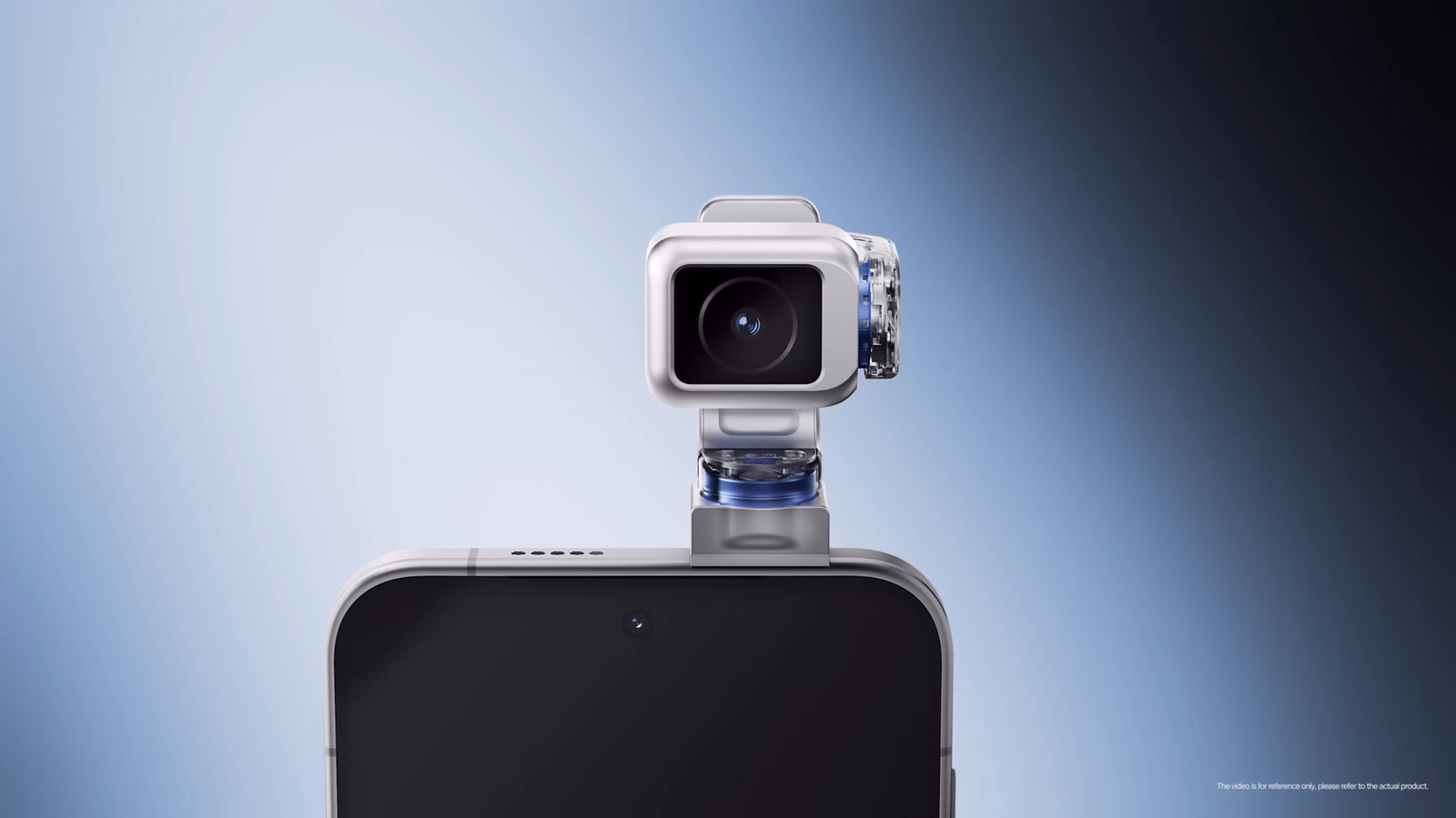
Honor's Robot Phone is now available for preorder in China, featuring a motorized titanium gimbal camera, dual 200MP sensors, and an open platform for third-party developers.
For mobile developers, Honor is opening the gimbal, perception, and embodied-interaction capabilities to third-party apps, potentially creating a new category of physical-interaction software. The hardware pushes mobile videography boundaries with Arri-assisted imaging tools and a 360-degree rotating camera, though adoption is currently limited to the Chinese market.
Written by elseif from the cluster below · every claim links back to a sourceThe three things worth knowing
Honor's Robot Phone features an automated pop-up titanium camera gimbal with 360-degree rotation and AI subject tracking.
The device includes a dual 200MP camera system with an Arri partnership for enhanced noise reduction and dynamic range.
Honor is opening the platform to third-party developers to build apps using the gimbal and multimodal perception capabilities.
THE READ
What the cluster adds up to.
Honor's Robot Phone introduces a novel hardware interaction model to the smartphone market with its automated pop-up camera gimbal. Made of titanium, the gimbal offers 360-degree rotation and supports cinematic movement modes like tilt lock, FPV view, and spinshot. This hardware shift moves the camera from a static component to an actuated peripheral, changing how users capture video and how software can interact with the physical device.
The imaging system pairs a 200MP main lens with a 200MP telephoto lens, backed by a partnership with cinema camera manufacturer Arri. This collaboration brings AI-assisted noise reduction, a larger dynamic range, real-time preview, and RAW file output to the device. For engineers working on mobile imaging pipelines, the combination of a motorized gimbal and high-resolution sensors with professional cinema color science presents a complex integration of mechanical and software systems.
On the software side, the phone runs MagicOS and introduces YOYO Robot Mode, which combines multimodal perception, contextual understanding, gesture recognition, and physical movement. Honor is opening this platform to third-party developers, allowing them to build applications that leverage the gimbal, perception, and embodied-interaction capabilities. This API access could allow developers to create applications where the phone physically responds to user gestures or environmental cues.
The underlying hardware specifications support these advanced features with a Snapdragon Elite Gen 5 chip, a custom cooling system, and a 7,060mAh battery. The 6.3-inch OLED display features adaptive refresh rates and a peak brightness of 6,800 nits. The device is available in two configurations: 12GB of RAM with 512GB of storage for around $1,480, and 16GB of RAM with 1TB of storage for approximately $2,075.
Currently, the Honor Robot Phone is only available for preorder in China, with shipments beginning on August 18. The limited regional availability restricts the immediate developer audience, but the open platform approach indicates Honor's intent to build an ecosystem around the device's unique multimodal and physical interaction capabilities.
Written by elseif from the cluster below · checked for specifics the sources never containedTHE CLUSTER