TECH Signal 293
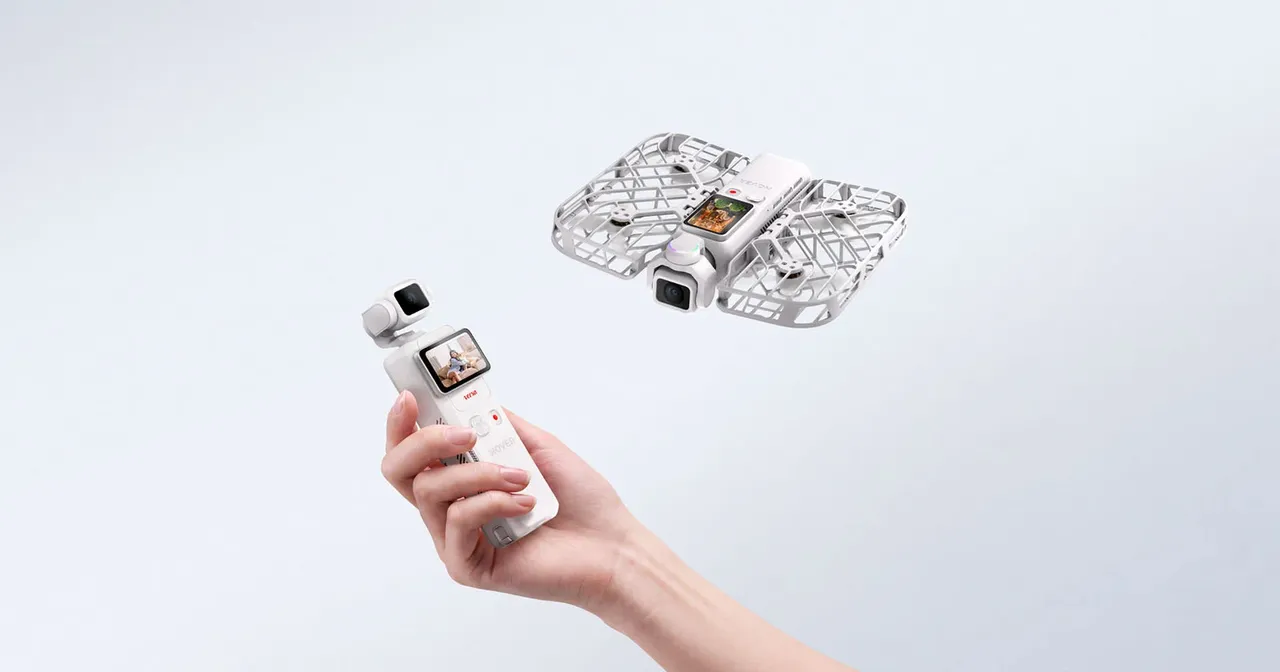
HoverAir unveils the Versa modular pocket gimbal camera that transforms into a self-flying drone — Modular camera transforms into an auto-tracking drone by magnetically snapping together for instant palm launch and AI tracking
 ↗
↗
HoverAir introduces a modular pocket gimbal camera that magnetically attaches to a drone body for instant self-flying, AI-tracking operation.
Engineers working on portable imaging or autonomous drone systems may see new integration patterns for modular hardware. The device collapses two product categories into one, potentially reducing the need for separate stabilization and flight controllers. However, the trade-off between convenience and performance remains untested in real-world conditions.
Written by elseif from the cluster below · every claim links back to a sourceThe three things worth knowing
The Versa combines a three-axis gimbal camera with a foldable drone body via magnetic attachment and pogo pins.
AI-driven tracking and 10+ intelligent filming modes eliminate the need for an external controller.
The system targets both pocket camera and selfie drone users but lacks confirmed specs, pricing, or release details.
THE READ
What the cluster adds up to.
The Versa merges two distinct hardware functions, stabilized imaging and autonomous flight, into a single modular unit. For engineers, this suggests a shift toward reconfigurable hardware where sensors and actuators can be dynamically paired. The magnetic snap-on mechanism and pogo pins imply a reliance on precise alignment and electrical contact, which could introduce failure points in dusty or high-vibration environments. The absence of an external controller simplifies operation but may limit manual override or customization for advanced users.
Adopting this design pattern could reduce the physical footprint of portable imaging systems, but it also concentrates risk. A failure in the drone module could render the camera unusable, and vice versa. The three-axis gimbal is a step up from typical pocket cameras, but its effectiveness in flight depends on the drone’s stability algorithms, which are unproven at this stage. The AI tracking and 360° scene compositing features suggest heavy reliance on onboard processing, which may impact battery life or thermal performance in prolonged use.
The device’s modularity stops where software integration begins. While the hardware transformation is seamless, the AI modes and intelligent framing require tight coupling between the camera and drone firmware. Engineers evaluating this system would need to assess whether the unified firmware can match the performance of dedicated devices in either category. The promotional material highlights dynamic range and 8K video as potential strengths, but these claims are speculative without verified specs or third-party testing.
The Versa’s novelty lies in its attempt to serve three audiences: pocket camera users, selfie drone operators, and 360° content creators. This broad targeting could dilute its appeal if the compromises in each mode become apparent. For example, the 360° scene compositing is not real-time video, which may disappoint users expecting Insta360-like functionality. The lack of a release date or price suggests the product is still in a conceptual phase, leaving engineers with little concrete data to evaluate its practicality.
Written by elseif from the cluster below · checked for specifics the sources never containedTHE CLUSTER