TECH Signal 501
EU packaging rules reportedly impose €1k+ annual compliance costs on micro-sellers across four member states
 ↗
↗
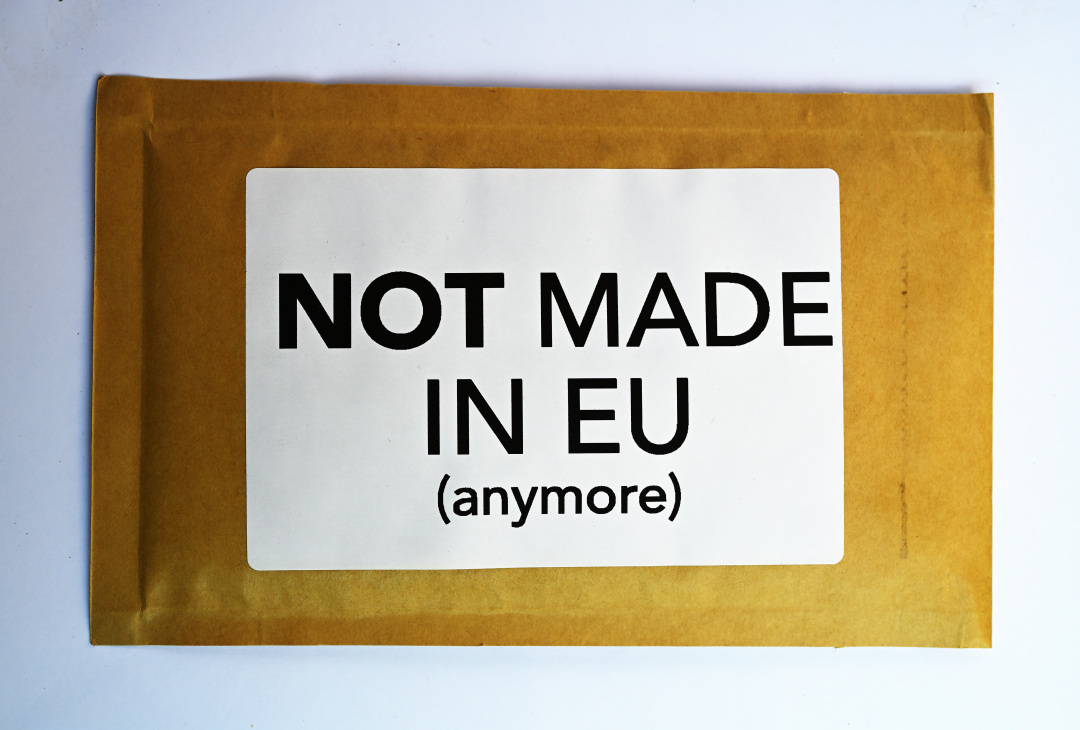
New EU Packaging and Packaging Waste Regulation requires micro-entrepreneurs to register and report packaging waste separately in each member state where they sell products, creating disproportionate administrative and financial burdens for small-scale sellers.
The regulation threatens to stifle innovation and economic activity among independent engineers, makers, and micro-entrepreneurs by imposing high compliance costs relative to their sales volume. This could reduce the viability of small-scale hardware projects and limit the diversity of open-source and niche products available in the EU market.
Written by elseif from the cluster below · every claim links back to a sourceThe three things worth knowing
Micro-sellers must register and report packaging waste separately in each EU member state where their products are sold, multiplying administrative overhead.
Compliance costs for a seller distributing to just four countries can exceed €1,150 annually, far outweighing the environmental fees for minimal packaging waste.
The regulation disproportionately impacts small-scale creators, potentially discouraging experimentation and early-stage product development in the EU.
THE READ
What the cluster adds up to.
The EU’s Packaging and Packaging Waste Regulation (PPWR) introduces a fragmented compliance system where micro-entrepreneurs must register and report packaging waste in every member state where their products are sold. For a small hardware seller, this means navigating 27 separate national schemes, each with its own fees, authorised representatives, and reporting requirements. The administrative burden scales with the number of countries, not the volume of sales or packaging waste, making it prohibitively expensive for sellers with minimal cross-border activity.
Compliance costs for micro-sellers are not just high, they are wildly disproportionate to the environmental impact of their packaging. A seller distributing a handful of small electronic boards to four countries may generate less than half a kilogram of packaging waste, yet face over €1,150 in annual fees. These costs include registration, authorised representative services, and administrative overhead, none of which scale down for low-volume sellers. The financial barrier effectively prices out small-scale experimentation, where early-stage projects often rely on selling just a few units to test demand or share with the community.
The regulation risks undermining the ecosystem of open-source hardware and niche innovation in the EU. Marketplaces like Lectronz enable engineers and makers to prototype, share, and iterate on ideas with minimal upfront investment. Many projects start with small batches of 10 to 100 units, and only a fraction grow into larger businesses. By imposing high fixed costs from the outset, the PPWR discourages this early-stage activity, reducing the diversity of products and stifling the iterative process that often leads to breakthroughs. The harm is not just economic but cultural, as it limits the ability of independent creators to contribute to the broader hardware community.
The PPWR’s approach contrasts sharply with the stated goals of Extended Producer Responsibility (EPR) schemes, which aim to reduce packaging waste. While the intent, holding producers accountable for recycling, is sound, the implementation fails to account for the realities of micro-businesses. Large corporations can absorb the costs of multi-country compliance as part of their operational overhead, but for small sellers, the same requirements are existential threats. Without exemptions or a unified EU-wide system for low-volume sellers, the regulation may achieve the opposite of its environmental goals by driving small-scale innovation out of the market entirely.
Written by elseif from the cluster below · checked for specifics the sources never containedTHE CLUSTER