TECH Signal 172
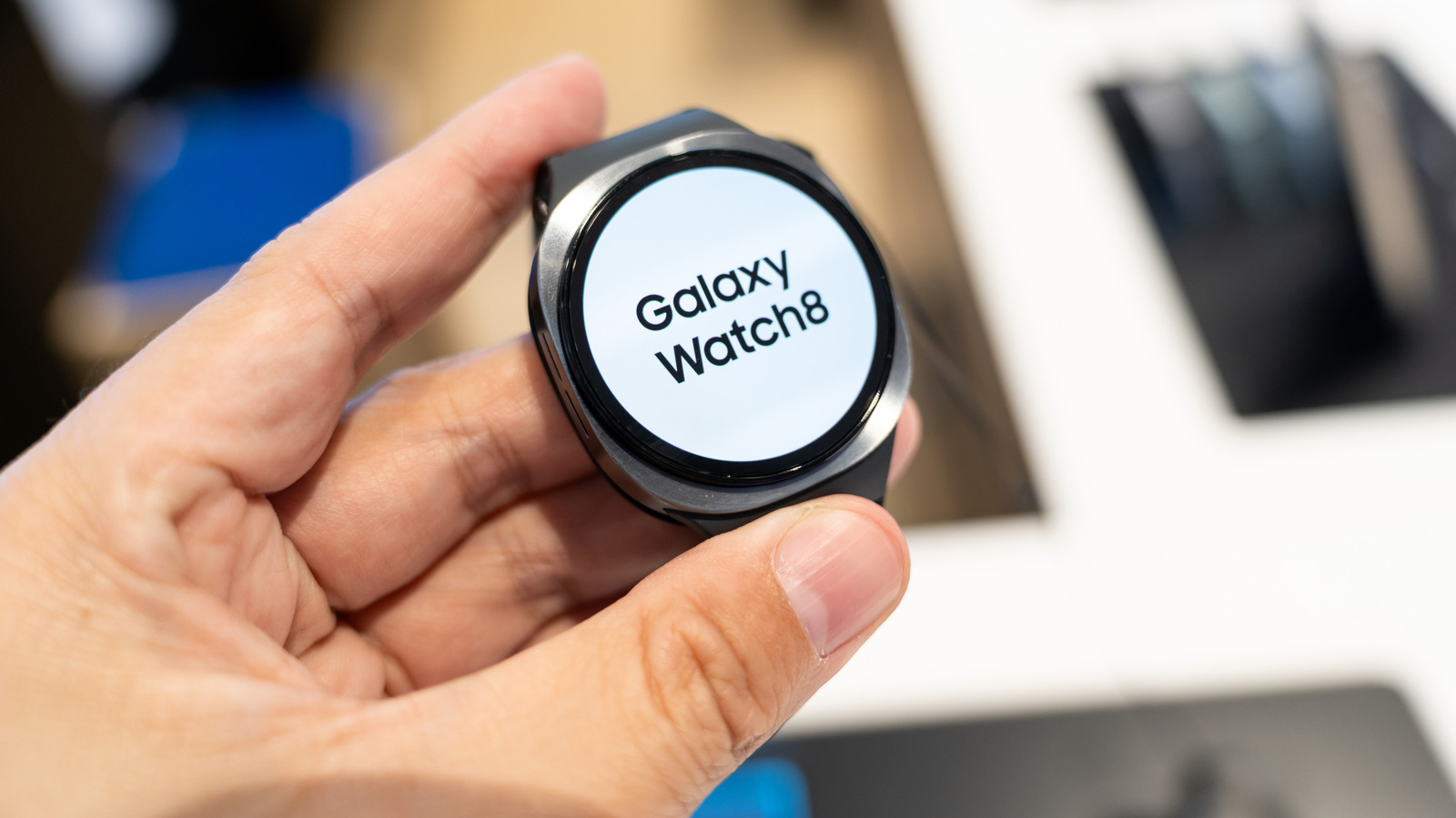
Galaxy Watch 8 adds thumb-scan antioxidant score to track fruit and vegetable intake
 ↗
↗
Samsung’s Galaxy Watch 8 estimates skin carotenoid levels via optical spectroscopy to produce an antioxidant score from 0 to 100.
Engineers building or integrating health wearables now have a new optical biomarker to consider. The feature’s accuracy is unquantified for consumers, so its utility is limited to trend tracking rather than clinical use. Device constraints, melanin, hemoglobin, and sensor placement, define its operational boundaries.
Written by elseif from the cluster below · every claim links back to a sourceThe three things worth knowing
The watch uses multi-wavelength absorption spectroscopy on the thumb to estimate carotenoid concentration in skin.
Samsung validated the sensor against lab techniques but has not published consumer-facing accuracy metrics.
The antioxidant score is not a medical diagnostic and may take weeks to reflect dietary changes.
THE READ
What the cluster adds up to.
The Galaxy Watch 8 introduces an antioxidant index feature that estimates carotenoid levels in the skin using optical spectroscopy. The watch’s BioActive Sensor emits yellow, blue, purple, and green LED light onto the thumb, measuring reflected wavelengths to calculate a score between 0 and 100. This method avoids invasive blood tests but relies on indirect measurement of dietary pigments rather than total antioxidant capacity. The thumb is used to minimize interference from melanin and hemoglobin, though the sensor’s placement and pressure requirements limit flexibility in measurement technique.
Samsung’s validation process included comparisons with Raman spectroscopy and blood tests, but the company has not released a consumer-facing accuracy percentage or margin of error. The feature is positioned as a trend-tracking tool rather than a clinical diagnostic, which aligns with its observed responsiveness, scores may fluctuate modestly over days but do not provide real-time feedback. This limitation restricts its use to long-term dietary monitoring rather than immediate health interventions.
The antioxidant index is exclusive to the Galaxy Watch 8, Watch 8 Classic, Watch Ultra, and newer models, with no indication of backward compatibility for the Watch 7. Carotenoids from food take two to three weeks to accumulate in the skin to detectable levels, introducing a lag in feedback. Engineers integrating this feature into health platforms must account for this delay and the lack of quantified accuracy, which may affect how users interpret or act on the data.
Written by elseif from the cluster below · checked for specifics the sources never containedTHE CLUSTER