TECH Signal 372
How the iPhone has changed in the last five years
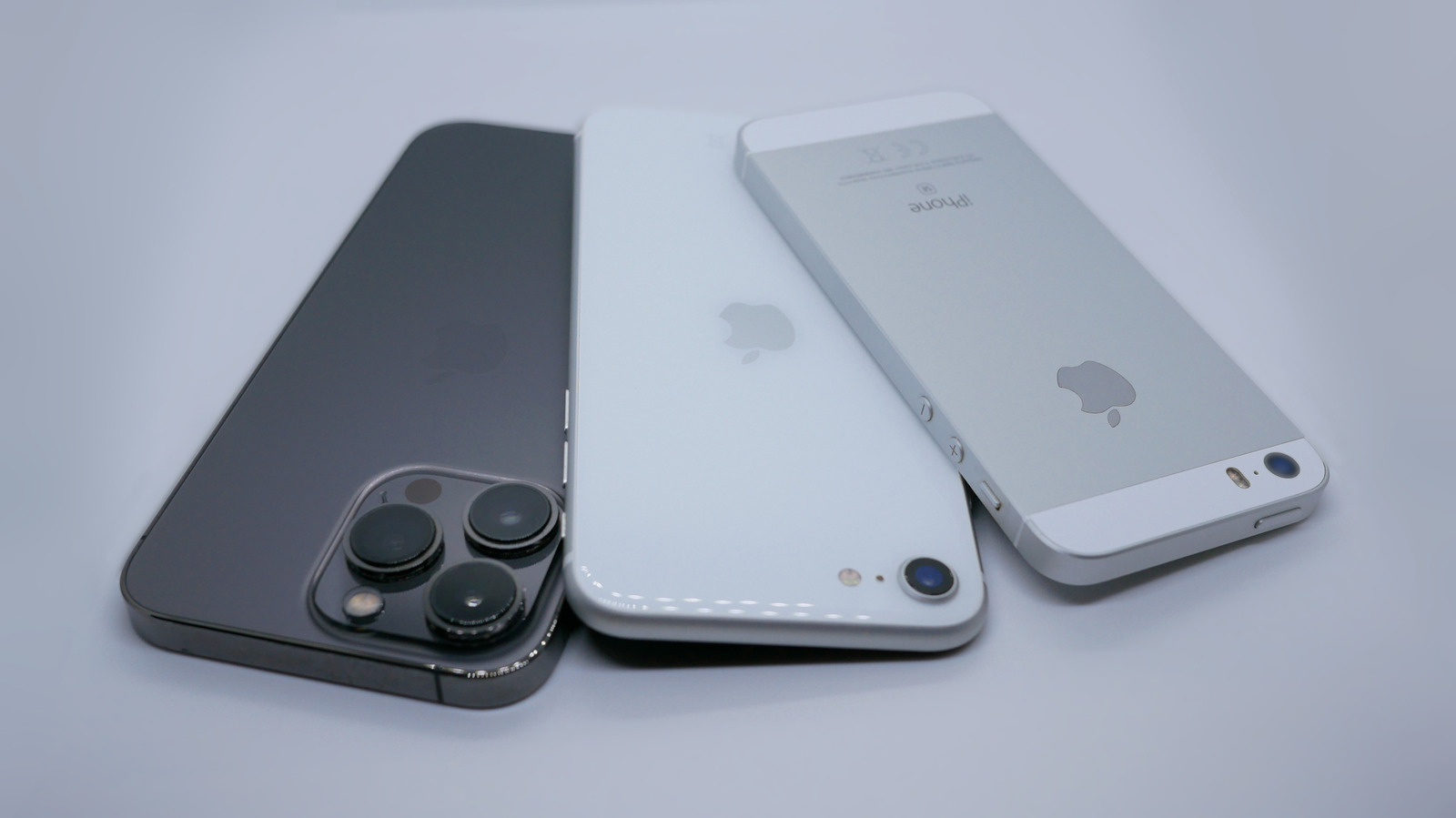 ↗
↗
Over the past five years the iPhone has shifted its connector, added a programmable Action Button, upgraded its display with higher refresh rates and Dynamic Island, and introduced on-device AI tools.
Developers must accommodate USB-C accessories and the new Action Button, which can be bound to custom shortcuts, altering input handling. UI code now needs to account for the Dynamic Island and always-on display, while AI-enabled features require optional integration paths. Legacy devices without these updates will need fallback implementations, increasing testing scope.
Written by elseif from the cluster below · every claim links back to a sourceThe three things worth knowing
The Lightning port was replaced by USB-C starting with the iPhone 15 series, requiring hardware and accessory updates.
ProMotion adaptive refresh up to 120 Hz and the Dynamic Island UI became standard on newer models, changing visual performance and layout constraints.
Apple Intelligence, introduced in late 2024, adds optional AI services such as document summarization and image generation that apps can invoke.
THE READ
What the cluster adds up to.
Apple’s hardware interface changed when the proprietary Lightning connector was dropped in favor of USB-C on the iPhone 15 line. This aligns the iPhone with broader industry standards but forces developers and device managers to replace or adapt chargers, docks, and any software that communicates over the older port. Devices released before the iPhone 15 will continue to use Lightning, so any cross-device solution must support both connectors. The shift also introduced an Action Button that replaces the mute switch, offering programmable shortcuts via the Shortcuts app. Engineers can map this button to custom actions, but must provide a fallback for models that still retain the mute switch.
Display technology received incremental but noticeable upgrades: bezels shrank, peak brightness rose, and ProMotion adaptive refresh rates up to 120 Hz were rolled out across Pro models and later the entire iPhone 17 lineup. The refresh rate now scales down to 1 Hz when idle, extending battery life while delivering smoother scrolling and gaming when active. The notch was refined into the Dynamic Island starting with the iPhone 14 Pro, turning a static cutout into an interactive area that surfaces live app information. This new UI element requires developers to design widgets and notifications that can appear within the island, and to test how it behaves on devices that lack it, such as the lower-cost "e" models.
Apple’s AI capabilities arrived with Apple Intelligence in October 2024, initially as an optional feature on the iPhone 15 Pro and later on all subsequent models. The suite includes tools for summarizing text, rewriting content, and generating images from prompts, exposing new APIs for on-device processing. Integration is optional, so apps must detect availability and gracefully degrade when running on older iPhones that lack the AI engine. The addition of on-device AI also impacts performance budgeting, as developers need to consider memory and CPU usage when invoking these models.
From a software operations perspective, the convergence of new hardware inputs, UI paradigms, and AI services expands the testing matrix. Teams must verify that shortcuts bound to the Action Button work across iOS versions, that layouts adapt to the Dynamic Island without clipping, and that AI calls fail safely on devices without Apple Intelligence. Continuous integration pipelines should include device farms covering at least one Lightning-based model, a USB-C model with the Action Button, and a model lacking ProMotion to ensure graceful fallback. Documentation and user guidance also need updates to explain new button functions and AI features to end users.
Adopting these changes incurs tangible costs: redesigning accessories for USB-C, updating codebases to handle the Action Button and Dynamic Island, and integrating optional AI SDKs. Older iPhones will not support these features, so any universal app must retain legacy pathways or limit functionality on those devices. The net effect is a more capable hardware platform, but developers must invest in conditional logic and broader device testing to maintain compatibility across the current iPhone ecosystem.
Written by elseif from the cluster below · checked for specifics the sources never containedTHE CLUSTER