TECH Signal 363
How to get the best battery life from your retro handheld game console
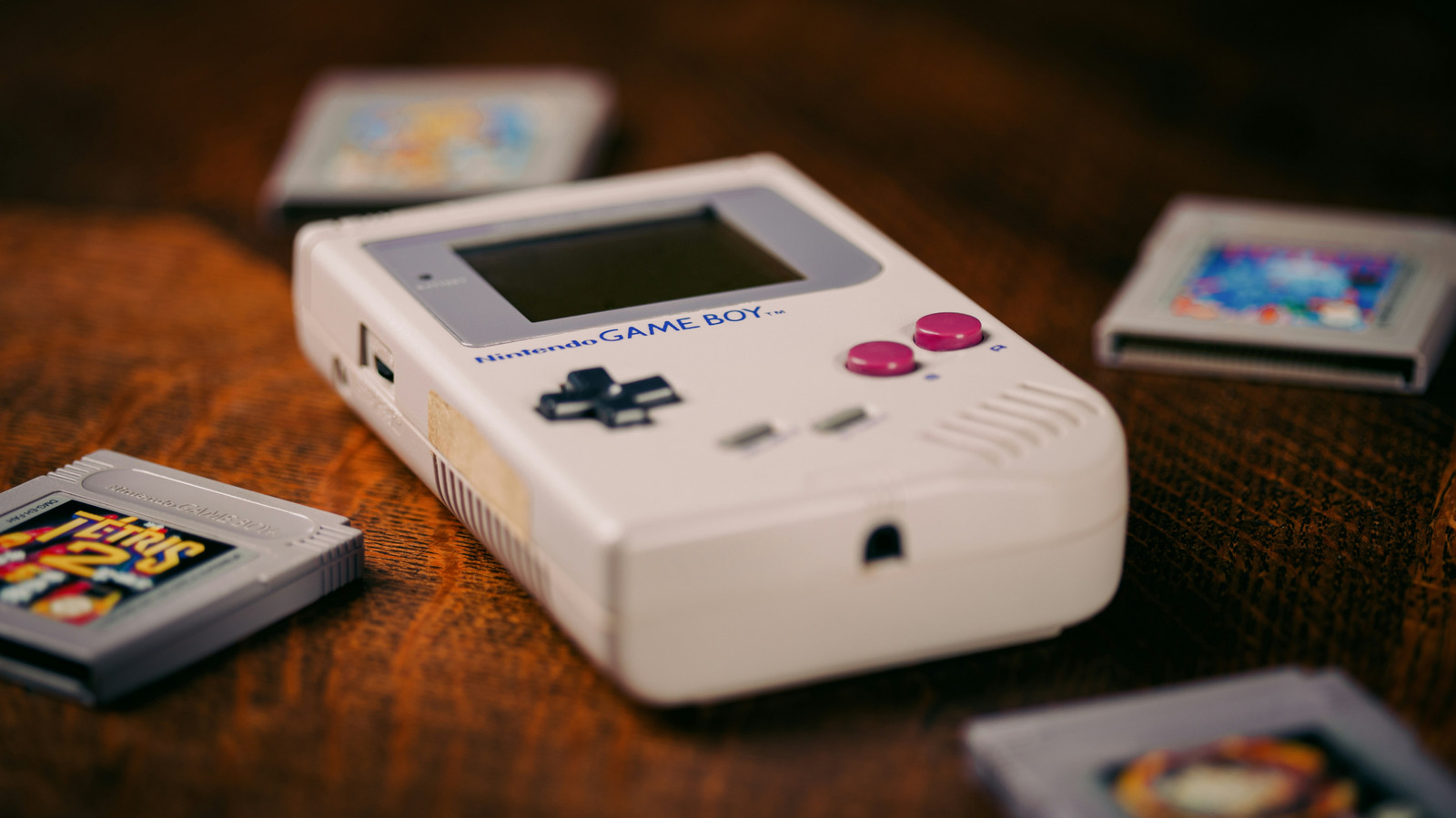 ↗
↗
Switching to NiMH rechargeable AA/AAA cells, or optional USB-C battery packs, significantly extends playtime on classic handhelds while introducing new cost and safety considerations.
Engineers maintaining or refurbishing retro consoles can reduce ongoing battery purchases and waste by adopting rechargeable cells, but must account for differing voltage curves and indicator behavior. Adding USB-C power modules offers modern convenience but requires careful selection to avoid overheating and ensure charge-and-play compatibility.
Written by elseif from the cluster below · every claim links back to a sourceThe three things worth knowing
NiMH AA/AAA rechargeables (e.g., Eneloop, IKEA LADDA) replace disposable alkalines and are recommended in pairs for hot-swap capability.
Modded handhelds with brighter screens may need a third battery set or higher-voltage lithium cells, which are pricier.
USB-C battery pack kits can eliminate swaps but may generate heat and are not universally charge-and-play safe.
THE READ
What the cluster adds up to.
Vintage portable consoles such as the Game Boy line, Game Gear, and Atari Lynx were designed around alkaline AA or AAA cells, leading to rapid depletion during typical use. Their built-in battery gauges were calibrated for the voltage drop of alkalines, so when NiMH rechargeables are inserted the low-battery warning can appear earlier than expected. This mismatch forces users to adopt a more proactive save-and-swap routine to avoid data loss.
The primary mitigation is to replace the original alkalines with nickel-metal hydride (NiMH) rechargeables, which maintain a more stable voltage over their discharge cycle. The guide suggests keeping two full sets of the appropriate size on hand so one can be swapped in while the other charges, ensuring uninterrupted play. For devices that have been modified with higher-power screens, a third set may be prudent, and some builders may opt for 1.5 V lithium rechargeables despite their higher upfront cost.
Implementing these changes incurs an initial outlay for the rechargeable packs and, if desired, a USB-C battery mod kit. NiMH cells are relatively inexpensive per charge cycle, while lithium alternatives and USB-C kits cost more and may require additional hardware integration. Engineers must weigh the recurring savings against the capital expense of the new power sources and any required modifications to the console’s power circuitry.
The new power options have limits: NiMH cells can still trigger premature low-battery alerts, and USB-C mods may not fully isolate the battery during charging, leading to excess heat that could affect component longevity. Not all USB-C kits support simultaneous charging and gameplay, so developers need to verify charge-and-play capability before deployment. Moreover, voltage-sensitive mods might only function reliably with specific cell chemistries, restricting the choice of rechargeable type.
From an operational standpoint, teams refurbishing retro handhelds should update their maintenance procedures to include regular testing of battery voltage under load, inventory management of multiple rechargeable sets, and validation of any USB-C modifications for thermal safety. Incorporating these practices will extend device uptime, lower consumable costs, and align the vintage hardware with modern power-management expectations.
Written by elseif from the cluster below · checked for specifics the sources never containedTHE CLUSTER