TECH Signal 236
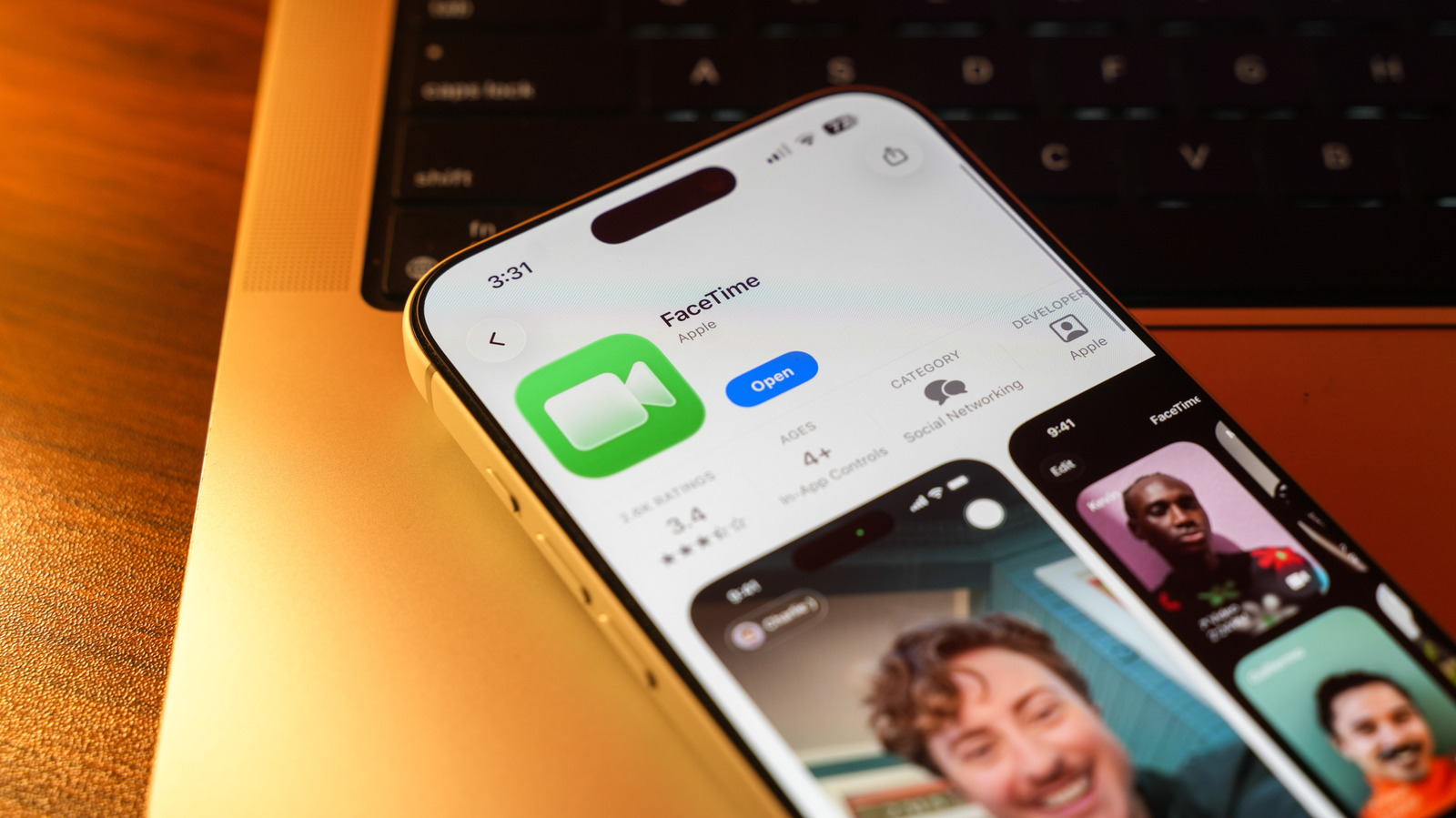
Users can now join FaceTime calls using Android phones or Windows PCs
 ↗
↗
FaceTime can now be accessed on non-Apple devices via web browsers, expanding its usability.
This change allows users without Apple devices to participate in FaceTime calls, enhancing inclusivity among different operating systems. Although the experience may not be as seamless as on Apple devices, it provides an alternative for communication among friends and family who use various platforms.
Written by elseif from the cluster below · every claim links back to a sourceThe three things worth knowing
Android and Windows users can join FaceTime calls through links provided by Apple device users.
Participants must use a compatible web browser and grant camera and microphone permissions.
Certain features like screen sharing and SharePlay are not available for non-Apple device users.
THE READ
What the cluster adds up to.
The ability to join FaceTime calls from Android and Windows devices marks a significant expansion of Apple's traditionally closed ecosystem. Users can now participate in video calls using a link sent from an Apple device, making it easier to connect with friends and family who use iPhones or Macs.
To join a FaceTime call on a non-Apple device, users will need a reliable internet connection and the latest versions of supported browsers like Chrome or Edge. However, they cannot initiate calls themselves, which limits the functionality compared to native FaceTime users.
While FaceTime provides basic video and audio call features on non-Apple devices, it lacks some advanced functionalities such as screen sharing and SharePlay. This means that while users can join calls, they may miss out on collaborative aspects available to Apple device users.
The introduction of this feature could encourage more users to consider Apple products for a more integrated experience, as the limitations on non-Apple devices remain a consideration. Other cross-platform alternatives may still offer a more robust experience for users who need more features.
Overall, this change represents a shift towards greater interoperability in communication tools, reflecting a growing trend in tech where cross-platform functionality is increasingly valued among users.
Written by elseif from the cluster below · checked for specifics the sources never containedTHE CLUSTER