TECH Signal 377
How to stop Roku from tracking everything you watch
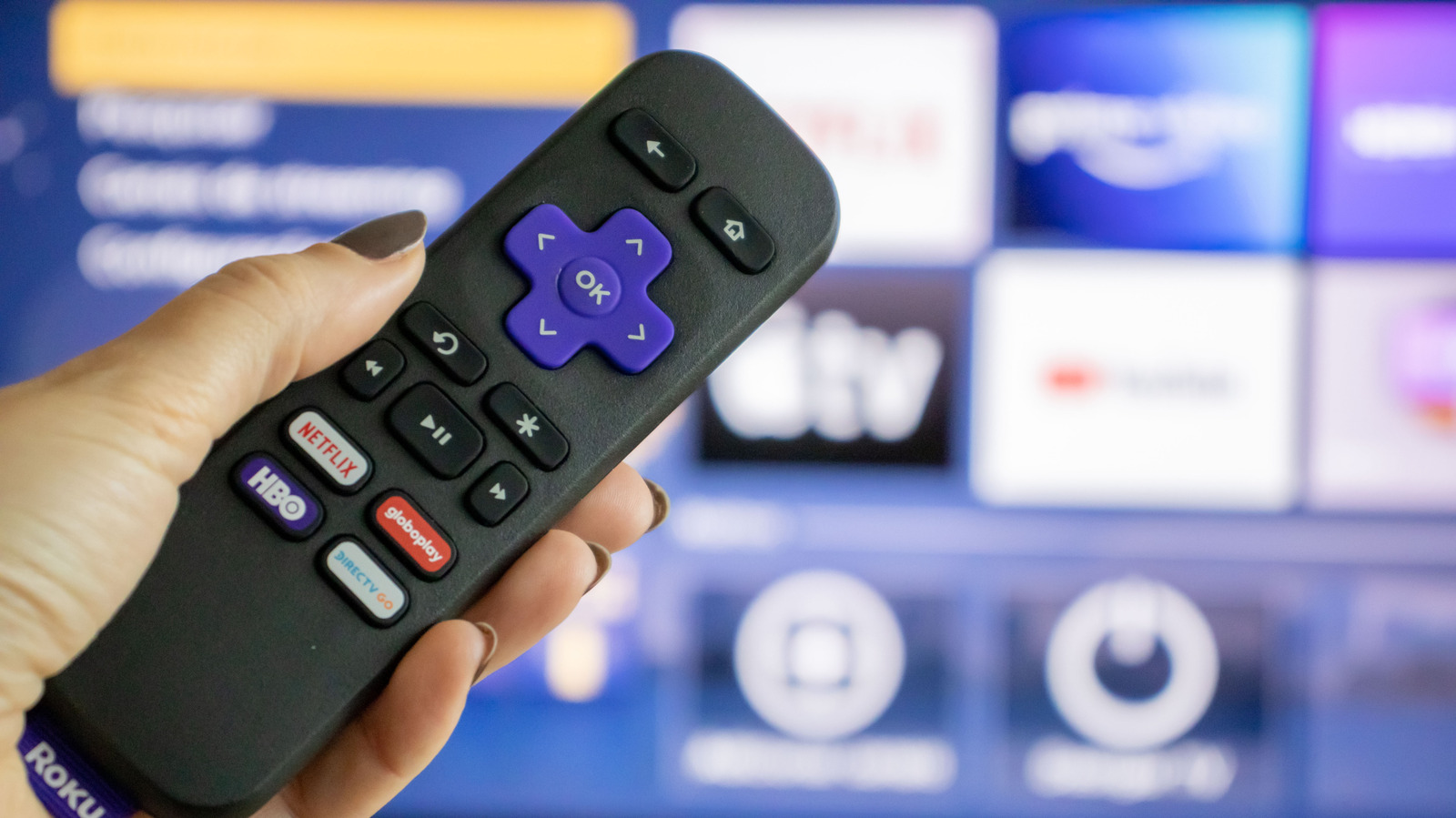 ↗
↗
The article explains how Roku collects viewing and device data and outlines steps users can take to limit that tracking.
Engineers who design streaming products need to understand what data platforms gather and how users can opt out, as this influences privacy-by-design choices. Knowing the limits of user controls helps anticipate where tracking may persist despite settings changes. This awareness informs decisions about data minimization, consent mechanisms, and the trade-off between personalization and user trust.
Written by elseif from the cluster below · every claim links back to a sourceThe three things worth knowing
Roku gathers device identifiers, browsing behavior, voice interactions, and ad metadata to personalize ads and improve service.
Users can reduce tracking by turning off Automatic Content Recognition, limiting personal advertising, and restricting microphone access.
The effectiveness of these controls depends on jurisdiction and may not stop all data collection when Roku devices are linked to third-party services.
THE READ
What the cluster adds up to.
The article reveals that Roku’s privacy policy outlines extensive collection of viewing habits, device details, and voice interactions across its ecosystem. It notes that this data fuels personalized advertising and product improvements. By detailing the scope of collection, the piece shifts the conversation from assumption to concrete evidence of tracking. This transparency gives engineers a concrete reference for what data a streaming platform may gather.
To limit the collection, users must adjust settings such as disabling Automatic Content Recognition, opting out of personal advertising, and turning off microphone access. Making these changes requires navigating the Roku interface and may reduce the relevance of recommended content. Voice-controlled features that depend on microphone input could become less responsive or unavailable. Engineers should anticipate that enabling these opt-outs may alter user experience metrics.
The effectiveness of these controls varies; some jurisdictions allow users to request that Roku not share data with advertising partners, while others do not. When Roku devices are linked to third-party services like Google Photos or Alexa, those partners may still receive device information regardless of Roku’s settings. Additionally, future updates to Roku’s privacy policy could reintroduce or expand data collection beyond the current opt-out options. Hence, engineers cannot rely solely on user-side settings to guarantee privacy compliance.
For engineers building similar streaming products, the case underscores the need to provide clear, accessible privacy controls and to document what data is collected and why. It also highlights the trade-off between personalization and user trust when data collection is extensive. Designing systems that collect only necessary data can reduce the burden on users to manage complex opt-out flows.
Written by elseif from the cluster below · checked for specifics the sources never containedTHE CLUSTER