AI Signal 400
How to use Claude's voice mode
 ↗
↗
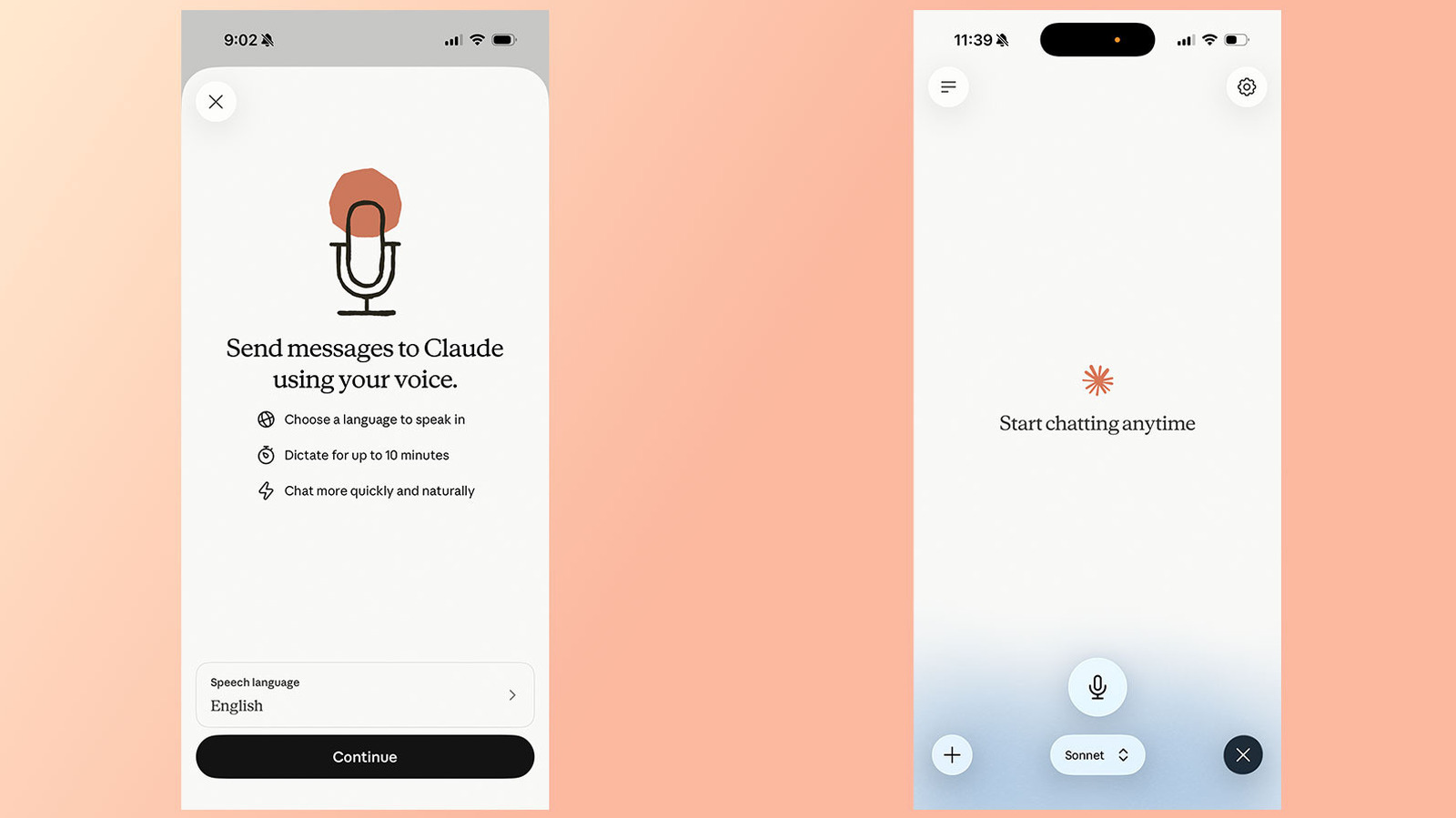
Anthropic expanded Claude’s voice mode to support higher-tier models, broader language options, and integration with connected apps.
Engineers can now route spoken prompts through more capable models, improving answer quality for complex tasks without switching to a text interface. The feature remains turn-based, so developers must design interactions that tolerate pauses and avoid mid-sentence language changes.
Written by elseif from the cluster below · every claim links back to a sourceThe three things worth knowing
Voice mode now runs on Sonnet and Opus models, but Opus requires a paid subscription.
The system supports 14 languages with selectable voices and can access linked services like Gmail and Slack.
Interaction is turn-based, so brief silences end the listening phase and may cause misinterpretation.
THE READ
What the cluster adds up to.
Anthropic’s July update lifted the previous restriction that forced voice interactions to the least powerful model, allowing developers to choose Sonnet for most use cases and Opus for high-complexity queries. The change is gated by account tier: free users can only invoke Haiku or Sonnet, while Opus is locked behind a paid plan. This means that teams planning to embed voice-driven Claude calls must account for subscription costs if they need the top-tier model. The voice interface is available across mobile, desktop, and web clients, but the company recommends the phone app for best performance. Enabling the feature requires microphone permission and selecting the appropriate model from the UI, which adds a small setup step for each deployment. Voice mode stays active until the user manually stops it, so applications must handle session management accordingly. A key architectural difference is the turn-based listening model, where Claude waits for a pause before generating a reply. This contrasts with duplex speech systems that process input and output concurrently, so developers should break multi-part queries into separate utterances to avoid premature termination. The design
Written by elseif from the cluster below · checked for specifics the sources never containedTHE CLUSTER