INFRA Signal 191
Huawei shelves global AI chip rollout amid domestic demand exceeding supply
 ↗
↗
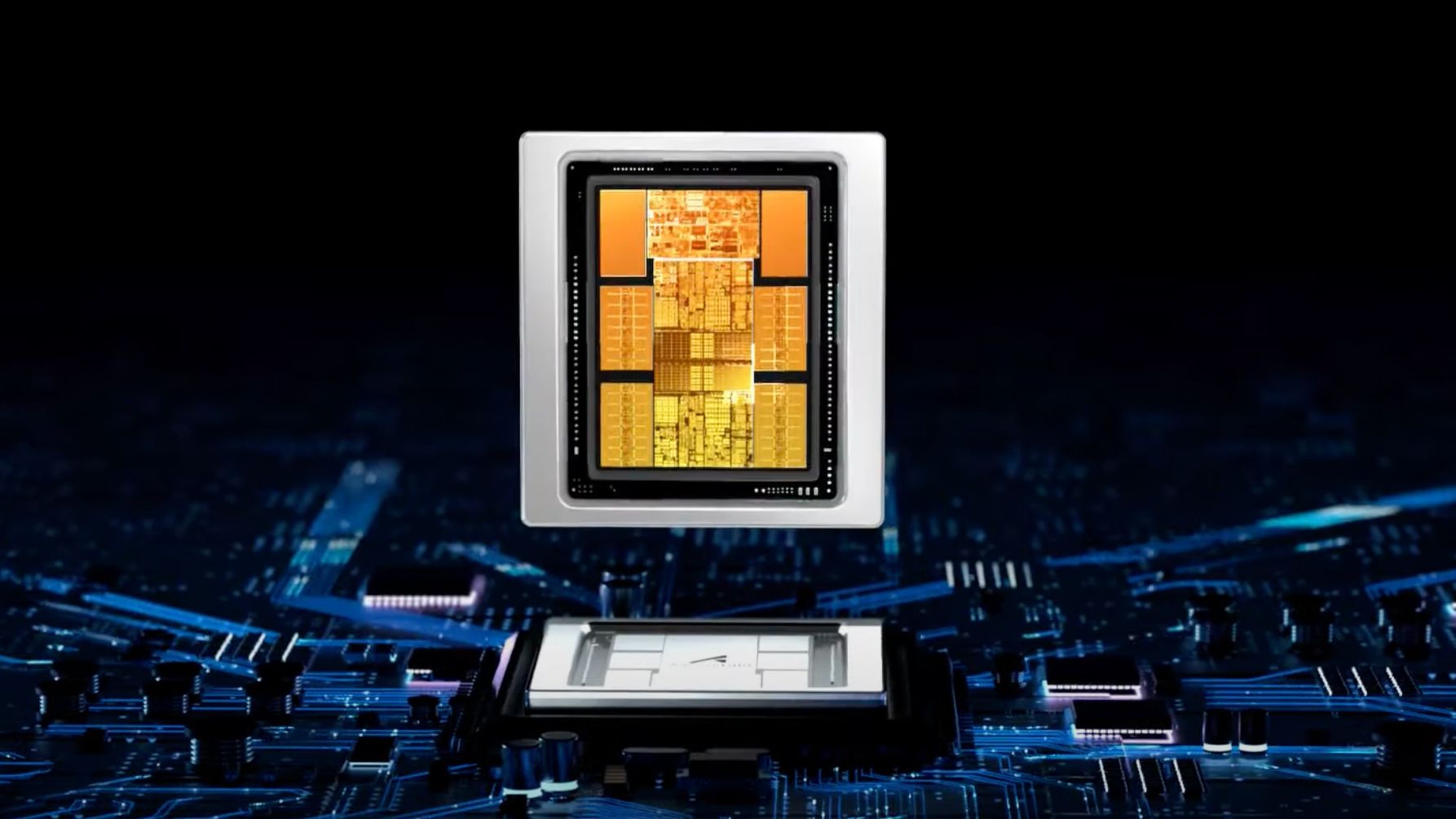
Huawei will not release its latest AI hardware internationally due to insufficient capacity to meet domestic needs.
This decision reflects the growing demand for AI hardware in China, limiting global supply options. It highlights the challenges in scaling production in the semiconductor industry, particularly for cutting-edge technologies. The reliance on massive system-level scaling may impact performance and efficiency compared to competitors like Nvidia.
Written by elseif from the cluster below · every claim links back to a sourceThe three things worth knowing
Huawei's latest AI hardware will be available only in China as domestic demand outstrips supply.
The Ascend 960 series aims to compete with Nvidia but faces challenges in performance and energy efficiency.
Production limitations on advanced nodes hinder Huawei's ability to meet both domestic and international demands.
THE READ
What the cluster adds up to.
Huawei's decision to limit the rollout of its Ascend 900-series AI accelerators to China stems from an inability to meet the high domestic demand. This strategic choice indicates that Huawei prioritizes local market needs over potential international sales. As a result, those looking for alternatives to Nvidia's GPUs may find fewer options available, particularly in regions outside of China.
The Ascend 960-series AI accelerators are designed to deliver significant performance improvements over previous models. However, they still lag behind Nvidia's offerings in terms of raw compute power. This performance gap could limit Huawei's ability to attract global customers who require high-performance computing solutions for AI applications.
Huawei's reliance on scaling up its Atlas cluster systems, which incorporate vast numbers of NPUs, may lead to higher power consumption compared to Nvidia's architectures. This could diminish the attractiveness of Huawei's offering in markets where energy efficiency is a critical factor, particularly for large-scale deployments.
The inability of SMIC to ramp production on advanced nodes further complicates Huawei's situation. Although Huawei has integrated new optical technologies to increase capacity, the overall production constraints on 7nm and 6nm chips still impact their ability to deliver products. This situation underscores the ongoing challenges within the semiconductor industry, particularly in balancing demand and supply.
Written by elseif from the cluster below · checked for specifics the sources never containedTHE CLUSTER