TECH Signal 320
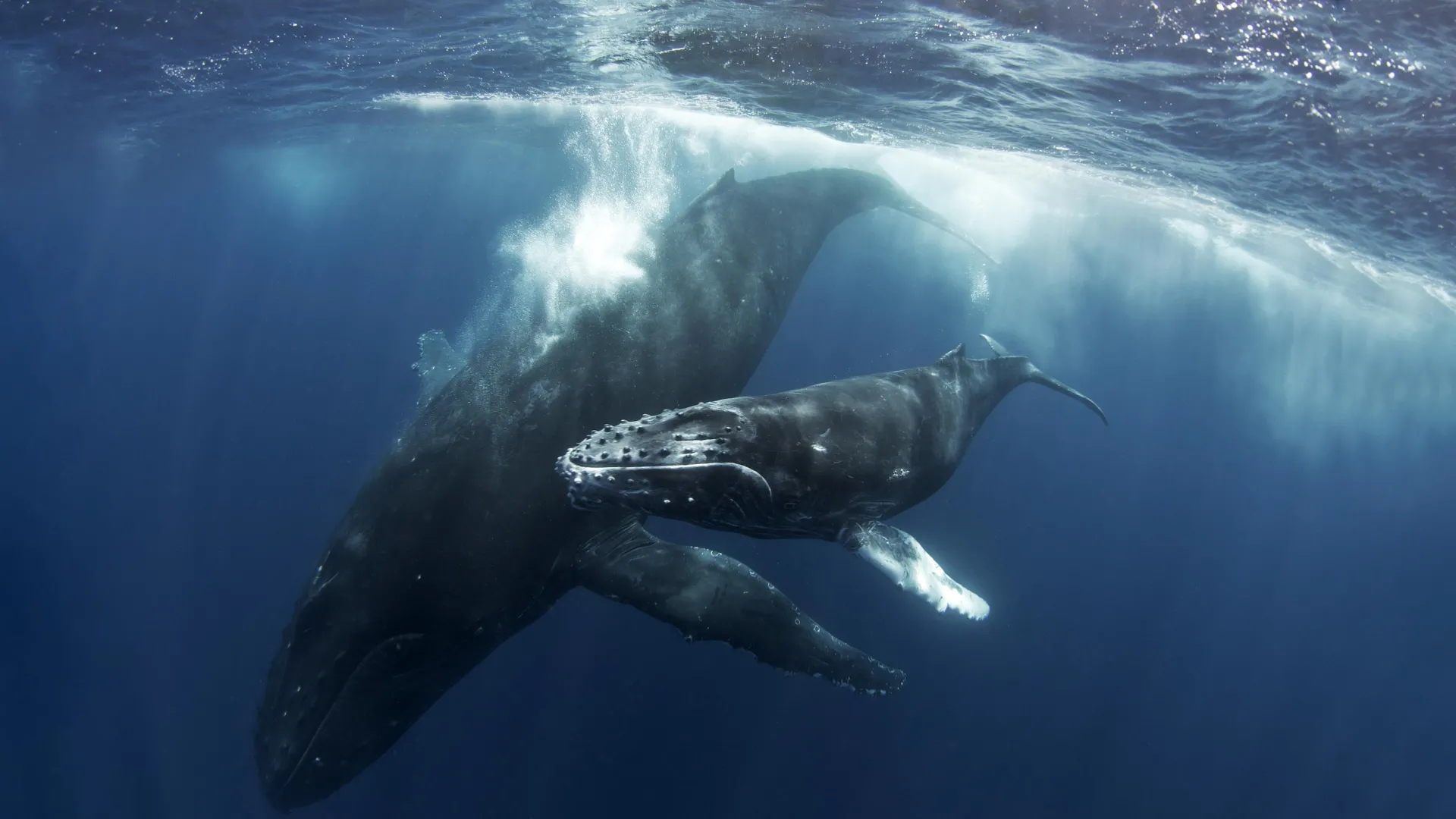
Humpback whale mother reportedly mourned her stillborn calf for days
 ↗
↗
Researchers documented a humpback whale mother showing prolonged attention to her deceased calf off Australia's Gold Coast.
This observation provides rare insight into the emotional responses of humpback whales, particularly regarding grief and maternal attachment. Understanding these behaviors can enhance our knowledge of cetacean cognition and social structures, which has implications for conservation efforts and animal welfare.
Written by elseif from the cluster below · every claim links back to a sourceThe three things worth knowing
The mother whale maintained eye contact and close proximity to her dead calf for hours, indicating possible grief.
This behavior is rarely documented in baleen whales, making it a significant observation for understanding whale emotions.
The study emphasizes the need for systematic documentation of such events to better comprehend cognitive and emotional responses in marine mammals.
THE READ
What the cluster adds up to.
The observation of a humpback whale mother mourning her stillborn calf represents a significant finding in marine biology, as it highlights the emotional complexity of these animals. The documented behavior, including maintaining eye contact and staying close to the calf for an extended period, suggests an attachment that resembles grief, which is primarily noted in more socially complex mammals.
This incident is particularly noteworthy because similar behaviors have been less frequently observed in baleen whales compared to toothed whales, where post-mortem care has been documented more extensively. The rarity of such observations calls for increased attention to these interactions, which could provide vital data on whale behavior and social structures.
The implications of this research extend to conservation efforts, as understanding the emotional lives of marine mammals may influence how we approach their protection and welfare. Documenting these rare occurrences can help scientists understand the evolutionary significance of emotional responses and maternal behaviors in whales, potentially informing policies aimed at preserving their habitats.
Written by elseif from the cluster below · checked for specifics the sources never containedTHE CLUSTER