TECH Signal 125
Hurricane Hunters reveal 4 warning signs that a storm is about to strengthen
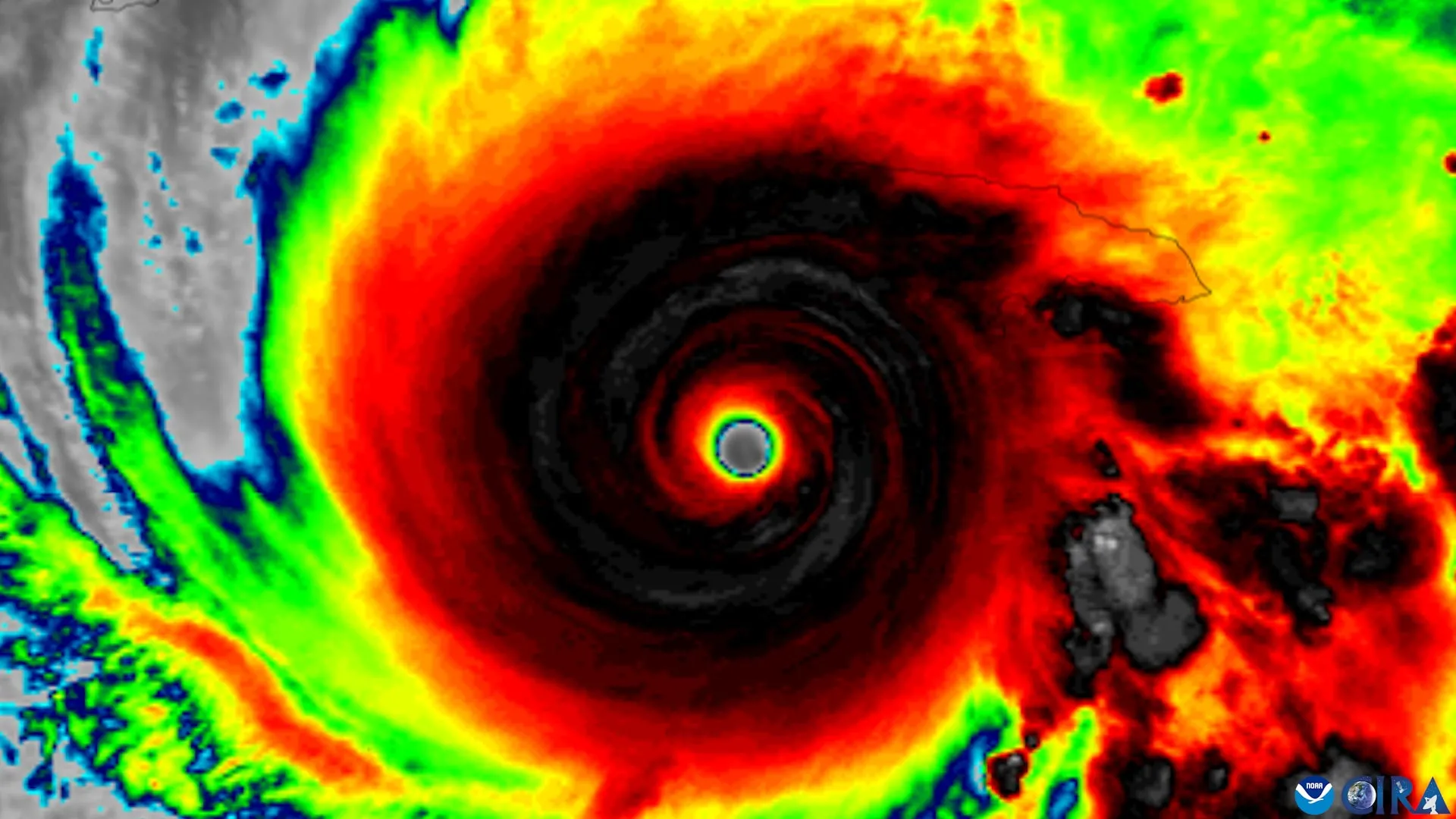 ↗
↗
Researchers have identified four features that indicate when a tilted tropical cyclone can intensify, aiding forecasters in early warnings.
The ability to identify these warning signs can significantly enhance forecasting accuracy for tropical cyclones. This can lead to timely evacuations and better preparedness for coastal communities facing rapidly intensifying storms. Improved forecasting can ultimately save lives and reduce property damage in affected areas.
Written by elseif from the cluster below · every claim links back to a sourceThe three things worth knowing
Four characteristics help determine a tropical cyclone's potential to align and strengthen.
The research utilized nearly three decades of data from NOAA Hurricane Hunter aircraft.
Recognizing these signs can provide earlier warnings for communities at risk from intensifying storms.
THE READ
What the cluster adds up to.
The identification of the four warning signs that indicate a tropical cyclone is likely to strengthen represents a significant advancement in storm forecasting. These signs include a tightly organized surface circulation, favorable tilt relative to vertical wind shear, stronger rising air, and a conducive environmental context. By understanding these factors, meteorologists can better predict when a storm is about to intensify.
The research draws on extensive data collected over nearly three decades, allowing for a robust analysis of storm behavior. The use of the Tropical Cyclone Radar Archive of Doppler Analyses provides a detailed look at how storms evolved, helping to differentiate between those that successfully aligned and intensified versus those that did not. This extensive dataset underpins the credibility of the findings.
The practical implications of these findings are significant for emergency management and public safety. By recognizing the signs that indicate a storm is becoming more organized, forecasters can issue earlier warnings, giving communities more time to prepare and respond effectively. This could lead to improved evacuation strategies and better resource allocation in anticipation of severe weather events.
However, these warning signs may not apply universally to all tropical cyclones. Their effectiveness could diminish under certain conditions, such as extreme wind shear or unusual atmospheric phenomena. Future research will need to explore the limitations of these indicators to ensure reliable forecasting across diverse storm scenarios.
Ultimately, this research enhances the toolkit available to meteorologists and emergency responders. By integrating these findings into operational forecasting models, the potential exists for a marked improvement in the accuracy and timeliness of storm warnings, thereby better protecting vulnerable populations in coastal areas.
Written by elseif from the cluster below · checked for specifics the sources never containedTHE CLUSTER