TECH Signal 346
Stanford study finds blood-derived immune cells enter aging human brain and become microglia
 ↗
↗
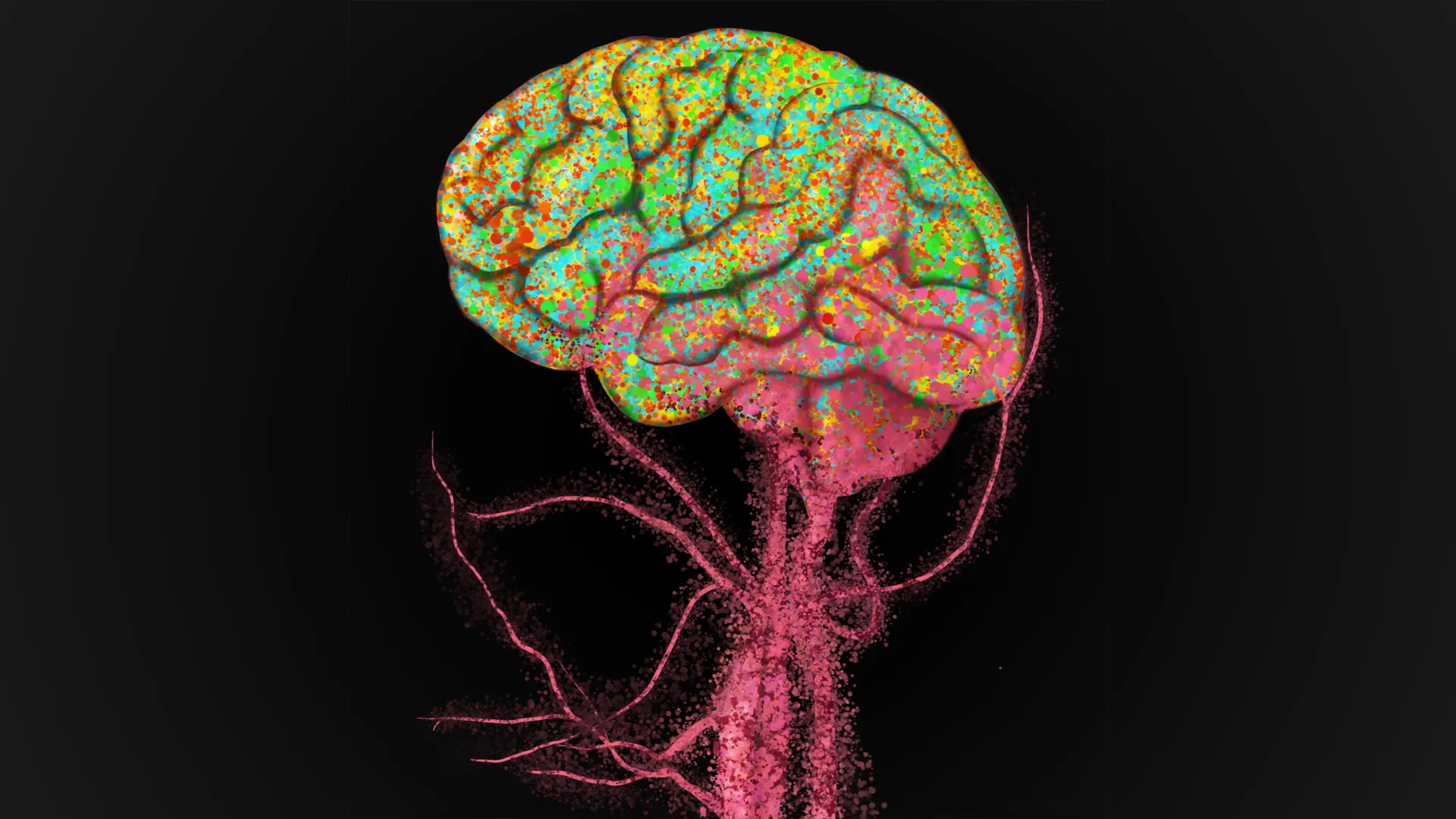
Researchers discovered that immune cells from the bloodstream infiltrate the brain during aging and transform into microglia, challenging the long-held belief of brain immune isolation.
This finding reshapes the understanding of brain aging and immune interaction, potentially opening new avenues for treating neurodegenerative diseases. For engineers in biotech or medical AI, it suggests revisiting models of brain-immune system separation and exploring new diagnostic or therapeutic targets.
Written by elseif from the cluster below · every claim links back to a sourceThe three things worth knowing
Immune cells from bone marrow enter the brain as early as middle age and differentiate into microglia.
The discovery contradicts the long-standing assumption that brain microglia are self-sustaining and isolated from the body’s immune system.
This process may influence brain resilience and neurodegenerative disease progression, offering new research directions.
THE READ
What the cluster adds up to.
The study overturns a foundational assumption in neuroscience: that the brain’s immune cells, microglia, are entirely self-renewing and isolated from the body’s broader immune system. Researchers found that blood-derived immune cells begin migrating into the brain during middle age, where they can adopt the role of microglia. This challenges the traditional model of the blood-brain barrier as an impermeable boundary for immune cells, suggesting instead that aging introduces a previously unrecognized pathway for immune interaction with the brain.
The implications for neurodegenerative disease research are significant. Earlier work by the same team linked certain mutated immune cell clones to reduced Alzheimer’s risk, hinting at a protective role for these cells. If blood-derived immune cells routinely enter the brain, they could either exacerbate inflammation or contribute to repair mechanisms. Engineers developing computational models of brain aging or disease progression may need to incorporate this dynamic immune interaction, rather than treating microglia as a static, brain-exclusive population.
The discovery also raises practical questions about the limits of current brain-immune system models. For example, therapies targeting microglia may now need to account for the influx of blood-derived cells, which could behave differently from native microglia. Additionally, the study’s reliance on interdisciplinary methods, combining genetics, computer science, and pathology, highlights the value of cross-domain collaboration in uncovering biological mechanisms. This approach could serve as a template for future research in complex systems like the brain.
While the findings are groundbreaking, they also introduce new uncertainties. The study does not yet clarify whether the influx of immune cells is beneficial, harmful, or context-dependent. For instance, do these cells help clear amyloid plaques in Alzheimer’s, or do they contribute to chronic inflammation? The answer could determine whether future therapies aim to block or enhance this process. Engineers working on diagnostic tools or drug delivery systems may need to design experiments that distinguish between native and blood-derived microglia to refine their approaches.
Written by elseif from the cluster below · checked for specifics the sources never containedTHE CLUSTER