TECH Signal 495
In Japan, 'calf hair harassment' exposes gender-based appearance conflicts
 ↗
↗
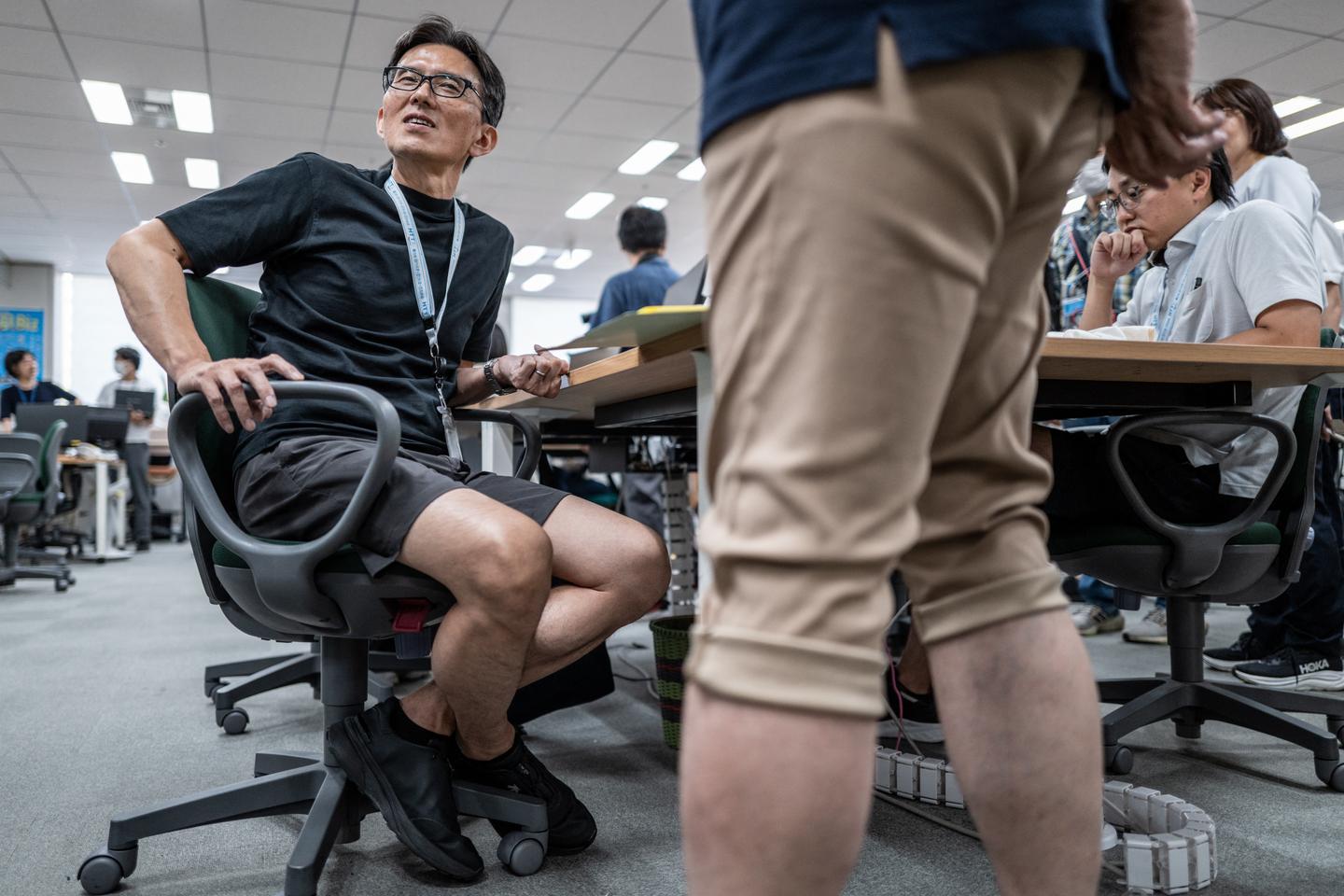
Japan’s expanded 'cool biz' dress policy has sparked workplace disputes over visible calf hair, termed 'sunehara' (calf hair harassment).
Engineers and tech teams operating in Japan, or collaborating with Japanese firms, may need to adapt workplace policies or cultural expectations around dress codes. The conflict highlights how climate-driven initiatives can intersect with gender norms, creating unintended friction in professional environments. This could influence remote work, office design, or even HR guidelines for multinational teams.
Written by elseif from the cluster below · every claim links back to a sourceThe three things worth knowing
Tokyo’s 'cool biz' policy encourages casual attire to reduce energy use during extreme heat, but has led to complaints about visible calf hair.
The term 'sunehara' reflects broader tensions between climate adaptation measures and workplace appearance standards.
Disputes over dress codes may require tech companies to revisit internal policies or cultural sensitivity training.
THE READ
What the cluster adds up to.
The event centers on a policy shift in Japan’s public sector, where climate adaptation measures have collided with workplace norms. Tokyo’s 'cool biz' initiative, originally designed to reduce energy consumption by relaxing dress codes, has expanded to include more casual attire like shorts. This change has exposed a gendered divide: some women report discomfort with visible calf hair on male colleagues, framing it as a form of harassment. The policy’s intent, to mitigate heat stress, has been overshadowed by the unintended consequence of sparking workplace disputes. For engineers, this underscores how technical or operational solutions (e.g., energy-saving policies) can have social ripple effects that require careful management.
The cost of adopting such policies extends beyond compliance. Companies or teams implementing similar measures may face pushback from employees who perceive the changes as encroaching on personal or cultural boundaries. In Japan, where workplace appearance has historically been tightly regulated, the shift to casual attire disrupts long-standing expectations. For tech teams, this could mean revisiting HR policies to address potential conflicts, particularly in hybrid or international workplaces where cultural norms vary. The friction also highlights the need for clear communication about the purpose of such policies, balancing climate goals with employee comfort and inclusivity.
Where the policy stops working is in its inability to account for subjective discomfort. While 'cool biz' effectively reduces energy use, it fails to address the social dynamics of appearance in professional settings. For engineers, this serves as a case study in the limits of top-down operational changes. Solutions may require localized adjustments, such as offering alternative dress options or creating spaces where employees can opt out without stigma. The event also raises questions about how similar policies might play out in other regions, particularly where gender norms or workplace cultures differ. The lesson is that even well-intentioned initiatives can falter if they don’t anticipate human factors.
Written by elseif from the cluster below · checked for specifics the sources never containedTHE CLUSTER