TECH Signal 489
India reportedly plans merchant fee on large UPI transactions, leaving small payments free
 ↗
↗
India is considering a merchant discount rate on UPI transactions above a threshold, potentially ending the free-payments model that drove adoption.
UPI's success relied on merchants accepting payments without fees, which drove network effects. Introducing fees on large transactions could generate revenue for banks but risks slowing merchant adoption if extended to small businesses. The decision will test whether India can monetize its digital payments infrastructure without undermining it.
Written by elseif from the cluster below · every claim links back to a sourceThe three things worth knowing
India has paved the way for banks and payment companies to charge merchants a fee on UPI transactions, with proposals including a merchant discount rate of 0.3-0.5%.
The fee would reportedly apply only to transactions above 2,000 rupees at larger merchants, leaving small businesses and low-value payments untouched.
UPI processed 23.6 billion transactions in July alone, and merchant acceptance has been a key driver of its growth, according to new research.
THE READ
What the cluster adds up to.
India is moving to charge merchants a fee on UPI transactions, ending a decade-long experiment in free digital payments. The government has yet to decide the rate or scope, but proposals include a merchant discount rate of 0.3-0.5% on larger transactions at big businesses. This would be a significant shift for a system that has been treated as public infrastructure, with the central bank governor noting that someone will have to pay the cost.
The fee would be paid by merchants, not consumers, and person-to-person payments remain free. The proposal targets transactions above 2,000 rupees, which account for only 4% of merchant-payment volumes but 67% of their value, potentially generating up to a billion dollars for banks and payment companies. However, the cost could be passed on to consumers or reduce merchant acceptance if extended to small businesses, undermining the very network that made UPI successful.
The risk is that charging small and informal merchants could slow the merchant expansion that has driven UPI adoption. Research by economists Abhinav Motheram and Sharon Buteau suggests merchant acceptance is a key driver of UPI growth, not just a result. If fees reach small merchants in developing districts, they could slow the expansion that has helped UPI scale, as Motheram warns.
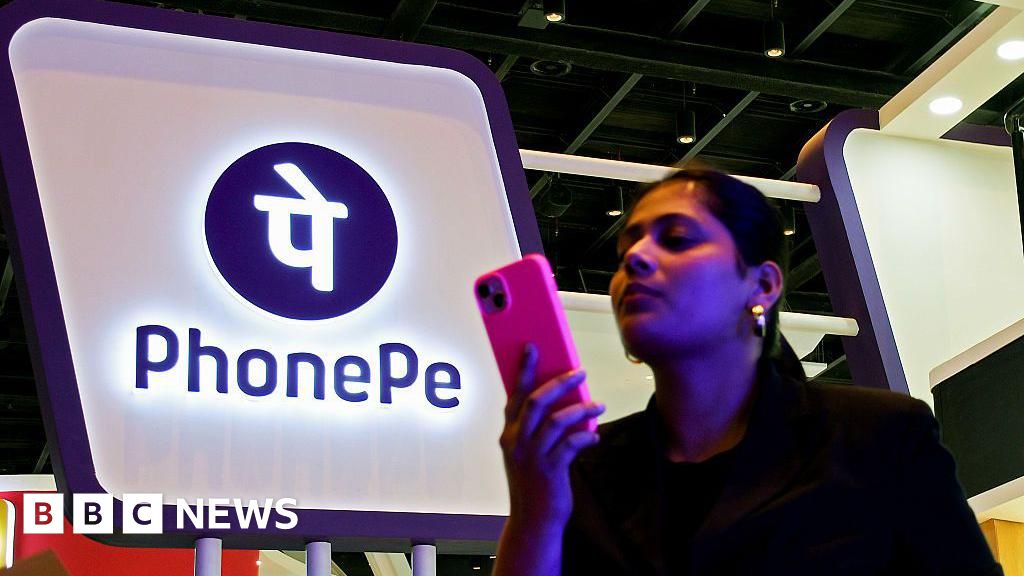
UPI's design as common digital plumbing allowed competing apps like PhonePe and Google Pay to operate on the same network, run by the National Payments Corporation of India. The system's success has been built on merchants needing only a printed QR code to accept payments, with no financial reason to turn customers away. The question now is whether putting a price on UPI could weaken the network that made it such a success, especially as the system expands to 11 countries outside India.
Written by elseif from the cluster below · checked for specifics the sources never containedTHE CLUSTER