TECH Signal 409
Intel CEO Lip-Bu Tan hints at a return to the memory business and stacking memory on CPUs
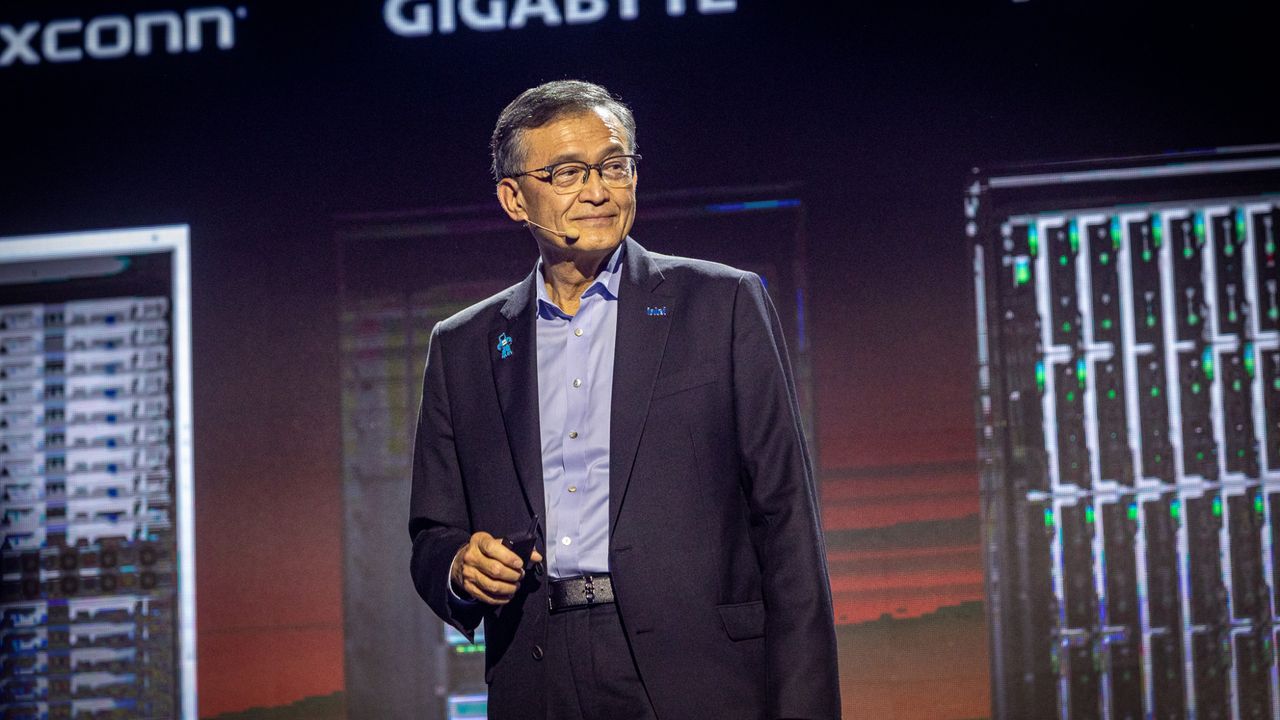 ↗
↗
Intel CEO Lip-Bu Tan indicated that memory is now strategically interesting and mentioned a pet project exploring new memory architectures, including stacking memory on top of CPUs.
Tan's remarks suggest a potential shift in Intel's strategy after previously exiting the NAND and Optane businesses. Re-entering the memory market would require significant capital and R&D, which may compete with resources needed for Intel's core products and foundry efforts.
Written by elseif from the cluster below · every claim links back to a sourceThe three things worth knowing
Intel CEO Lip-Bu Tan called new memory architectures a pet project and hinted at stacking memory on CPUs.
Tan recently hired former SK Hynix head Seok-Hee Lee, signaling a potential focus on memory.
Re-entering the memory market would require capital and R&D, resources Intel also needs for its foundry business.
THE READ
What the cluster adds up to.
Intel CEO Lip-Bu Tan has signaled a renewed interest in the memory market, a space the company has historically entered and exited multiple times. Tan described new memory architectures as a pet project and suggested the market is ripe for innovation after years of being considered a commodity business. He specifically hinted at exploring ways to stack memory on top of a CPU, though he did not elaborate on concrete plans.
The strategic shift is further indicated by Tan's recent hiring of Seok-Hee Lee, the former head of SK Hynix. While Tan did not reveal specifics about the pet project or confirm whether it is an internal Intel initiative or a personal investment, the recruitment of a major memory industry figure provides context for his remarks. This follows an Intel XBM patent that eliminates the silicon interposer of HBM.
Re-entering the memory market presents significant challenges for Intel. The company would need substantial capital to build fabs and invest in R&D to develop competitive process technologies. Given that Intel has previously abandoned its 3D NAND and 3DXPoint/Optane businesses after failing to achieve strategic targets, allocating resources to memory could conflict with its core products and foundry ambitions.
The profitability of 3D NAND and DRAM makers in recent quarters makes the memory business attractive again. However, it remains unclear how investors would react to Intel diverting capital to memory initiatives while the company struggles to establish itself as a strong competitor in the foundry market. Tan's hints suggest exploration, but no concrete timeline or commitment has been provided.
Written by elseif from the cluster below · checked for specifics the sources never containedTHE CLUSTER