TECH Signal 416
Intel's Nova Lake will debut its new core on desktop before data center, with a different team than Arrow Lake
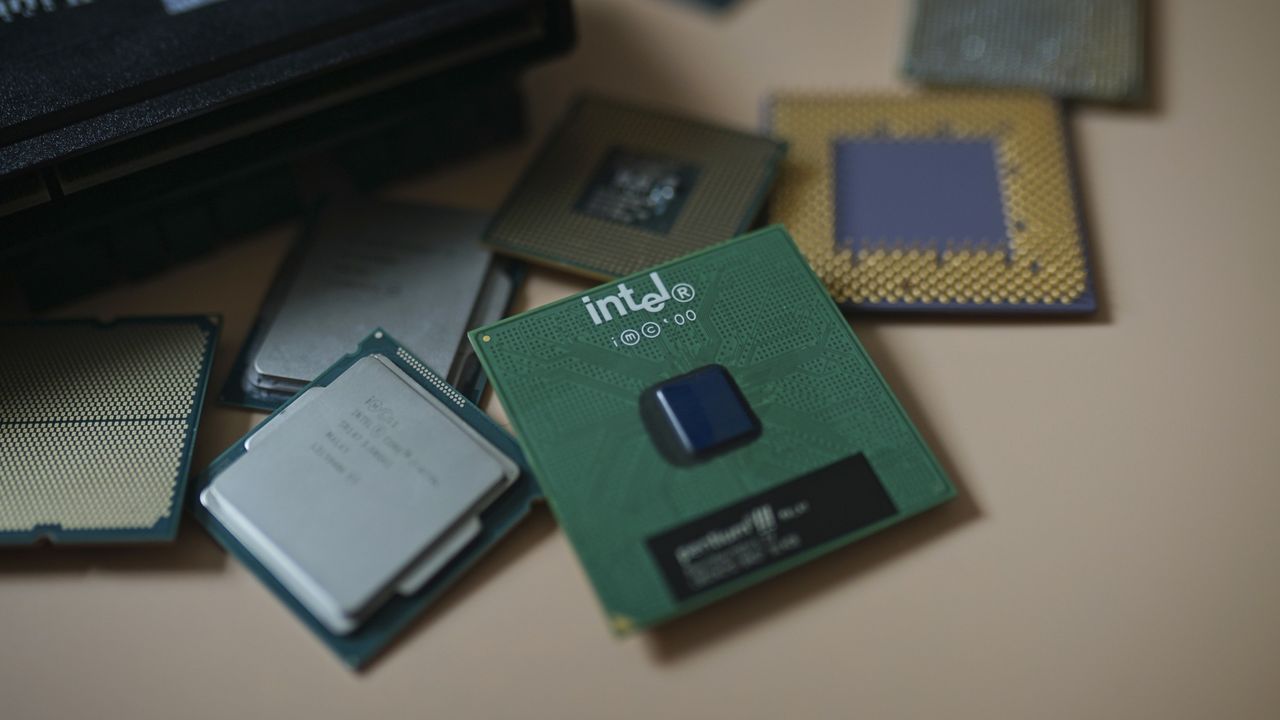 ↗
↗
Intel VP Robert Hallock says Nova Lake's new core will launch on desktop first rather than the data center, with a different team than the one behind Arrow Lake carrying the roadmap forward.
Intel is signaling a deliberate divergence from AMD's strategy of launching new architectures in the data center first. The company has also reorganized its enthusiast desktop business into a dedicated team after Arrow Lake's poor reception, betting that a focused org structure will improve future product cadence through 2030.
Written by elseif from the cluster below · every claim links back to a sourceThe three things worth knowing
Nova Lake's new core, rumored to be called Coyote Cove, will launch on desktop first, with a data center variant arriving later.
AMD broke with its own tradition by launching Zen 6 first in the data center with EPYC Venice, while Intel is taking the opposite approach.
A team described as pretty much completely different from the original Arrow Lake group worked on Arrow Lake Refresh and is now moving forward with Nova Lake.
THE READ
What the cluster adds up to.
Intel is reversing the current industry trend by prioritizing desktop over data center for its new core architecture with Nova Lake. AMD recently launched Zen 6 first in the data center with EPYC Venice, breaking AMD's own decade-long tradition of leading with client releases. Hallock's comment that he hopes enthusiasts "do the math" suggests Intel sees a competitive opening in the desktop market while AMD redirects focus toward data center demand driven by agentic AI. The sudden surge in AI data center CPU demand has upended traditional release cadences at both AMD and Nvidia, but Intel's enthusiast desktop roadmap remains unchanged according to Hallock.
Intel has reorganized its enthusiast desktop business into a dedicated full org structure, moving away from a team that was time-shared with other businesses. The team behind Arrow Lake Refresh, which produced the Core Ultra 5 250K Plus and Core Ultra 7 270K Plus, is described as "pretty much completely different" from the original Arrow Lake team in terms of marketing, product managers, and business people. This reorganization follows Arrow Lake's poor reception, where the new range often underperformed older Raptor Lake offerings in games. Hallock acknowledges the skepticism, saying he understands people are hesitant after the last couple years, but frames Nova Lake as one of Intel's most significant desktop CPU launches ever.
Hallock claims Intel has a CPU roadmap extending to 2030 with a "back to back to back to back cadence" for desktop and gaming products. He states Intel is accelerating for the gaming market and moving faster than ever in release cadence. These are roadmap claims, not shipping products, and Hallock himself notes he is referring to the roadmap rather than processors in hand. Intel's recent track record with Arrow Lake, which damaged enthusiast trust, gives reason to treat these projections with caution.
Intel's core architecture sharing has historically been less clean than AMD's unified approach across client and enterprise. AMD uses largely identical cores and chiplets across its product range, scaling up or down with relative ease. Intel, by contrast, uses various codenames for each core generation across Xeon and consumer lines, with tweaks and refreshes between them. With Nova Lake, the rumored Coyote Cove core will launch on desktop first, with some variation or perhaps an entirely new core eventually working its way into Xeon. This contrasts with past patterns where cores like Golden Cove launched first with Sapphire Rapids before being adapted for consumer parts.
Written by elseif from the cluster below · checked for specifics the sources never containedTHE CLUSTER