TECH Signal 363
Is an iPhone 15 still worth your money in 2026?
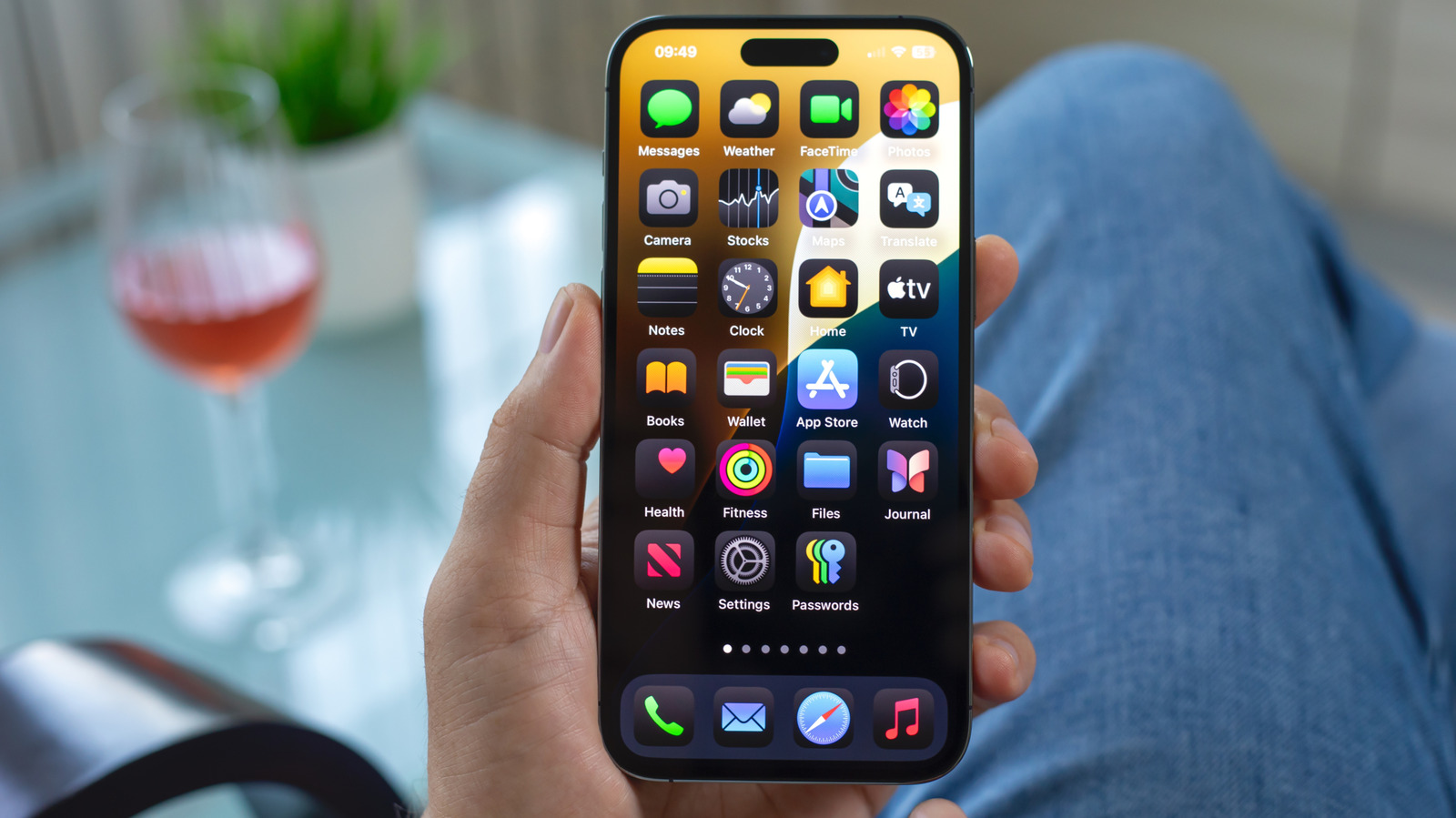 ↗
↗
Engadget's buyer's guide concludes the iPhone 15, now two generations old, is undercut on value by the newer iPhone 17e at a comparable price point.
For engineers evaluating hardware refresh cycles or device fleets, the comparison highlights how quickly baseline specs shift: RAM, battery capacity, storage floors, and AI support all moved meaningfully in under three years. The iPhone 15's A16 chip lacks Apple Intelligence support, which may matter if AI features become a baseline expectation rather than a premium differentiator.
Written by elseif from the cluster below · every claim links back to a sourceThe three things worth knowing
The iPhone 17e starts at 256GB and 8GB RAM for roughly $600, while a pre-owned iPhone 15 in excellent condition runs about $540 with 6GB RAM and a 128GB base.
The iPhone 15's A16 chip does not support Apple Intelligence, whereas the iPhone 17e does, dating the older model functionally.
The iPhone 15 retains a few advantages: 2,000-nit brightness versus 1,200 on the 17e, a dual-camera system, and the Dynamic Island instead of a notch.
THE READ
What the cluster adds up to.
Engadget frames the iPhone 15 as a poor value proposition in 2026, not because it is unsupported, but because a newer model occupies the same price band with better hardware across most dimensions. The iPhone 17e, released in March 2026 at $600, starts at 256GB of storage and 8GB of RAM, while a pre-owned iPhone 15 in excellent condition costs about $540 with a 128GB base and 6GB of RAM. Some carriers, including T-Mobile, reportedly charge slightly more for the iPhone 15 than for the 17e, which undercuts any remaining price advantage the older model had.
The functional gap extends to AI capability. The base iPhone 15 uses an A16 chip that is not powerful enough for Apple Intelligence, a feature reserved for the Pro models of that generation and later. The iPhone 17e supports Apple Intelligence, as does the iPhone 16 with its A18 chip, though the 16 is priced higher than both. For anyone whose software stack or workflow depends on on-device AI features, the iPhone 15 is already excluded from that capability set.
Where the iPhone 15 still leads is in a handful of display and design details. Its screen reaches 2,000 nits versus 1,200 on the 17e, and its resolution is marginally higher at 2,556 x 1,179 compared to 2,532 x 1,170. It also has a dual-camera system instead of the 17e's single rear camera, and it uses the Dynamic Island rather than the older notch design. These are real differences, but Engadget judges them insufficient to overcome the 17e's advantages in battery capacity (4,005mAh versus 3,349mAh), lighter weight, and Ceramic Shield 2 durability.
The article notes that iOS 27 will support devices dating back to the iPhone 11 and the second-generation iPhone SE, and Apple typically provides five to seven years of software updates. So the iPhone 15 is not at immediate risk of losing OS support. The argument is purely about value: for a similar or lower price, the 17e delivers more RAM, more base storage, a larger battery, newer durability glass, and Apple Intelligence support, making the iPhone 15 a difficult recommendation unless found at a steep discount.
This is a single-source buyer's guide from Engadget, not a corroborated news event. The comparison data is internally consistent within the article, but no other feed carries the story, so the pricing and spec claims rest on one publication. The carrier pricing detail about T-Mobile is presented without a specific date or plan context, which limits how precisely it can be relied upon for procurement decisions.
Written by elseif from the cluster below · checked for specifics the sources never containedTHE CLUSTER