TECH Signal 355
OnePlus exits North America and Europe reportedly forcing ColorOS switch for future updates
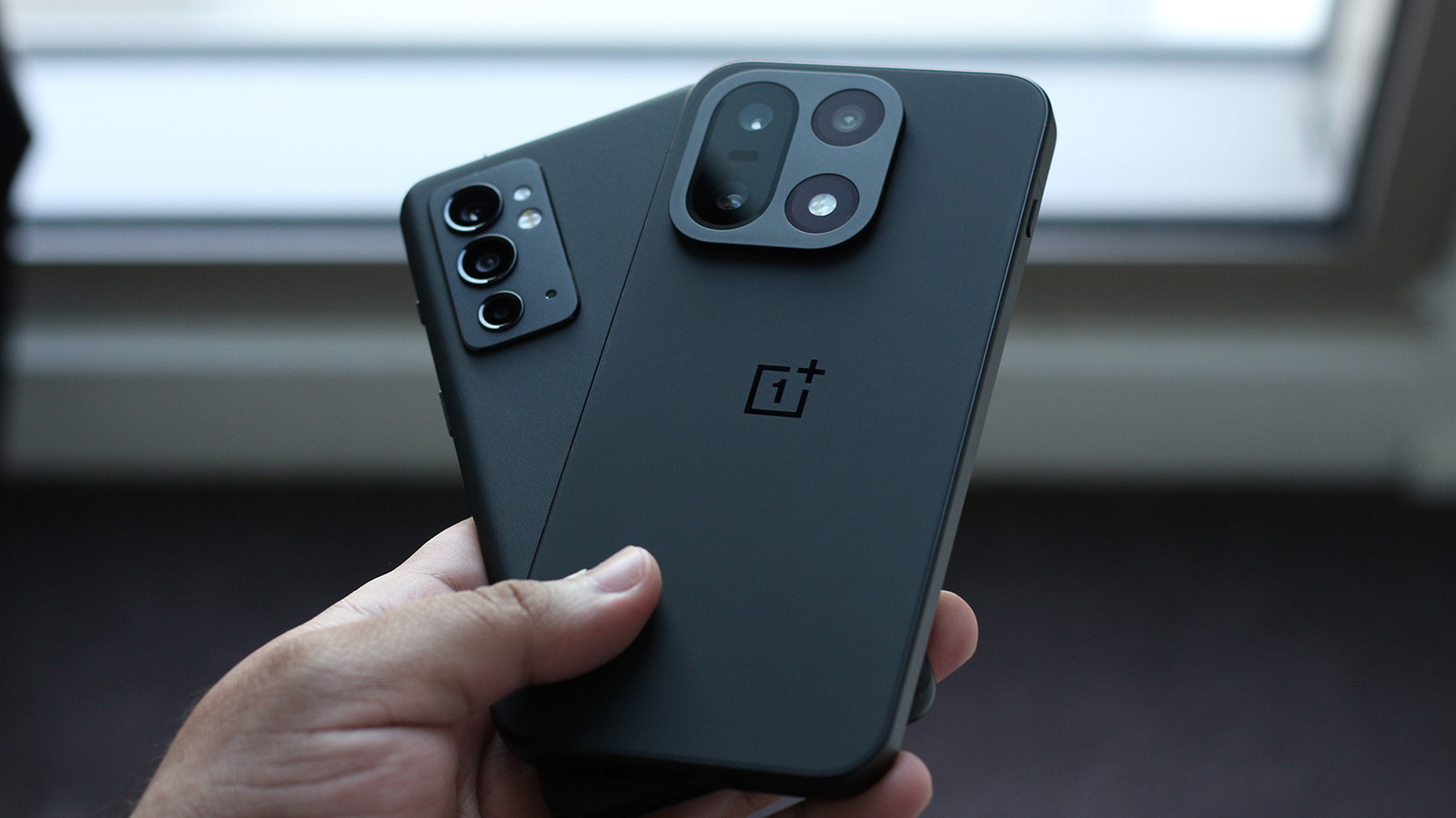 ↗
↗
OnePlus has withdrawn from North America and Europe and will replace OxygenOS with ColorOS for future Android updates on its devices.
Engineers who rely on long-term software support or ecosystem consistency may face unexpected maintenance costs. The shift to ColorOS removes a key differentiator that justified OnePlus hardware choices.
Written by elseif from the cluster below · every claim links back to a sourceThe three things worth knowing
OnePlus has ceased operations in North America and Europe, limiting retail availability and local support.
Future Android updates for OnePlus devices will use ColorOS instead of OxygenOS, increasing bloatware and reducing customization.
Existing devices receive four major OS updates and six years of security patches, but ecosystem continuity is no longer guaranteed.
THE READ
What the cluster adds up to.
OnePlus has confirmed its exit from North America and Europe, ending local retail presence and direct customer support. While existing devices remain available through third-party sellers, the company’s withdrawal raises questions about long-term hardware availability and warranty servicing. Engineers who depend on consistent supply chains or regional repair networks may need to factor in additional logistics costs or seek alternative vendors for future device procurement.
The decision to replace OxygenOS with ColorOS for future Android updates marks a significant shift in the software experience. OxygenOS was a core part of OnePlus’s identity, offering a clean, customizable interface that appealed to power users. ColorOS, while functionally similar, introduces additional bloatware and removes some of the unique features that set OxygenOS apart. This change may reduce the appeal of OnePlus devices for engineers who prioritize software efficiency and minimalism.
OnePlus has committed to providing four major Android OS updates and six years of security patches for its latest devices, aligning with industry standards for flagship smartphones. However, the transition to ColorOS introduces uncertainty about the quality and timeliness of these updates. Engineers who rely on consistent software support for security or compatibility reasons may find the shift disruptive, particularly if ColorOS introduces unforeseen bugs or delays in patch deployment.
The hardware performance of recent OnePlus devices, such as the OnePlus 15, remains competitive, offering high-end specifications at a lower price point than rivals like Samsung or Apple. However, the loss of OxygenOS and the company’s exit from key markets may offset these advantages. Engineers who value ecosystem integration or long-term software consistency may need to weigh the trade-offs between hardware performance and the potential risks of adopting a platform in transition.
Written by elseif from the cluster below · checked for specifics the sources never containedTHE CLUSTER