TECH Signal 488
Former Cambridge professor at centre of plagiarism allegations found dead at 41
 ↗
↗
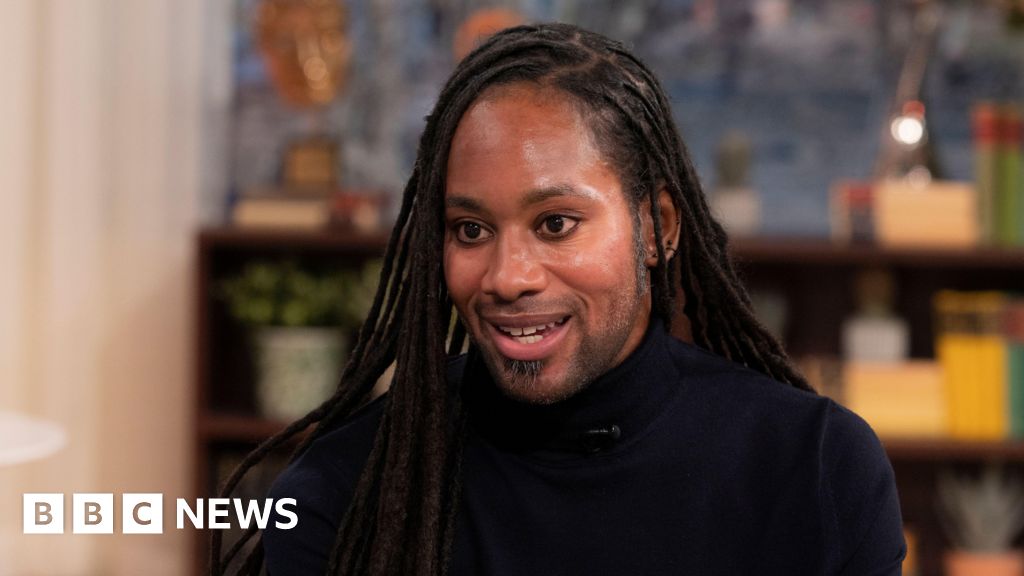
Jason Arday, a former Cambridge professor who resigned amid plagiarism accusations, was found dead in London last week.
The death of a high-profile academic amid intense public scrutiny raises questions about the personal toll of professional controversies. For engineers and researchers, it underscores the human cost of institutional investigations and online harassment. The event may prompt discussions about accountability, mental health, and the pressures of academic validation.
Written by elseif from the cluster below · every claim links back to a sourceThe three things worth knowing
Arday resigned from Cambridge last week following allegations of plagiarism and scrutiny over his achievements.
His family attributed his death to a 'campaign of misinformation' and relentless public attacks.
Cambridge and Glasgow universities had launched independent reviews into his work and appointment.
THE READ
What the cluster adds up to.
Jason Arday’s death follows a period of intense professional and personal turmoil. The former Cambridge professor resigned last week after allegations of plagiarism and questions about his claimed achievements, including charity endurance feats. While he denied plagiarism, he acknowledged errors in his work, attributing some to his autism. The controversy escalated after another academic, Nathan Cofnas, publicly accused him of misconduct. Arday’s family described the scrutiny as unbearable, framing it as a campaign of misinformation that overwhelmed him.
The event highlights the broader pressures faced by academics under public scrutiny. Arday’s case involved not just institutional investigations but also widespread online commentary and media coverage. His resignation statement emphasized that the criticism he faced went beyond typical academic debate, taking a severe personal toll. For engineers and researchers, this serves as a reminder of how professional disputes can spiral into personal crises, particularly when amplified by digital platforms. The human cost of such controversies may outweigh the technical or ethical questions at their core.
Institutional responses to the allegations were mixed and evolving. Cambridge initially relied on an external investigation by Liverpool John Moores University, which cleared Arday of plagiarism. However, the university later announced an independent review of his appointment, signaling lingering concerns. Glasgow University also launched a review of his prior work. These actions reflect the challenges institutions face in balancing due process with public perception. The outcome of these reviews may now be overshadowed by the tragedy, but they raise questions about how universities handle allegations of misconduct and the transparency of their investigations.
Arday’s career trajectory and public persona added layers of complexity to the controversy. His appointment as Cambridge’s youngest Black professor was celebrated as a milestone, and his memoir detailed his journey from being non-verbal as a child to achieving academic prominence. These narratives amplified both his achievements and the scrutiny of his work. For engineers and researchers, the case underscores how personal narratives and professional reputations can become entangled in ways that complicate objective evaluation. It also raises ethical questions about how institutions and peers engage with allegations, particularly when they intersect with identity and public perception.
Written by elseif from the cluster below · checked for specifics the sources never containedTHE CLUSTER