INFRA Signal 119
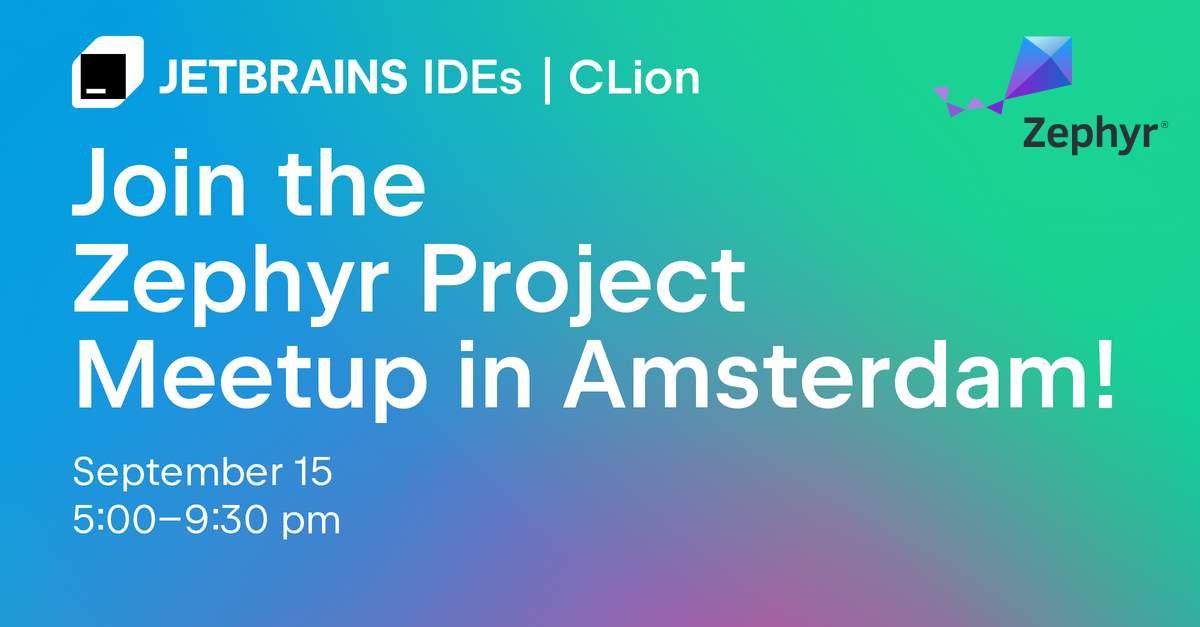
Zephyr Project hosts in-person meetup in Amsterdam on September 15 for developers and vendors
 ↗
↗
The Zephyr Project, an open-source RTOS for resource-constrained devices, will hold a community meetup in Amsterdam featuring talks on tooling, testing, and AI-assisted development.
For engineers working with embedded systems, this meetup offers direct access to Zephyr contributors and practical insights into tooling, migration, and testing. The event highlights growing industry adoption of Zephyr for connected devices and may influence future tooling and education trends in embedded development.
Written by elseif from the cluster below · every claim links back to a sourceThe three things worth knowing
The meetup includes sessions on fuzzing Zephyr firmware with AFL and Renode, eliminating the need for physical hardware.
AI-assisted development tools for Zephyr project setup and hardware interaction will be demonstrated.
A case study will cover migrating a medical simulation platform from bare-metal and FreeRTOS to Zephyr across multiple hardware targets.
THE READ
What the cluster adds up to.
The Zephyr Project meetup in Amsterdam is a community-driven event focused on real-time operating systems for embedded and IoT devices. Unlike vendor-specific conferences, this gathering brings together developers, silicon vendors, and device manufacturers to discuss tooling, testing, and migration strategies. The agenda suggests a shift toward automation in embedded workflows, particularly in firmware testing and AI-assisted development, which could reduce manual setup time for engineers working with Zephyr.
One of the key sessions will demonstrate fuzzing Zephyr firmware using AFL and the Renode simulator. This approach allows engineers to uncover edge-case failures without relying on physical hardware, which is particularly useful for teams with limited access to target boards. The session on AI-assisted development with Schematik further indicates a trend toward abstracting low-level hardware interactions, potentially lowering the barrier to entry for new Zephyr users. However, these tools may not yet cover all hardware-specific quirks or custom board configurations.
The migration case study from a medical simulation platform highlights Zephyr’s growing role in regulated industries. Moving from bare-metal or FreeRTOS to Zephyr across Renesas, STM32, and Nordic hardware suggests the RTOS is gaining traction for multi-platform projects. The discussion on embedded education also implies that Zephyr’s ecosystem is influencing how new engineers are trained, though it remains unclear whether these tools will fully replace traditional debugging and hardware interaction skills.
The event’s focus on developer tooling, including JetBrains’ involvement, signals an effort to integrate Zephyr more closely with mainstream IDEs. This could streamline workflows for engineers already using CLion or other JetBrains tools. However, the meetup’s limited seating and in-person format may restrict participation, particularly for engineers outside Europe. The giveaways, such as the nRF54L15 Tag, suggest an effort to engage hardware-focused developers, though the practical impact of such promotions on adoption remains to be seen.
Written by elseif from the cluster below · checked for specifics the sources never containedTHE CLUSTER