AI Signal 382
Biosafety evaluations for LLMs informed by hands-on experience in community wet lab
 ↗
↗
An AI researcher participated in a week-long wet lab experience to better understand biosafety evaluations for large language models (LLMs).
This event highlights the importance of practical experience in the field of biosafety evaluations. By engaging directly in laboratory work, the researcher gains insights that can inform the assessment of AI applications in biological contexts. Such firsthand knowledge may lead to more effective and responsible AI development in scientific settings.
Written by elseif from the cluster below · every claim links back to a sourceThe three things worth knowing
The researcher gained practical lab experience to enhance their understanding of biosafety evaluations for LLMs.
Access to a community wet lab requires a monthly fee of $190 for tower access and $160 for nonprofit membership.
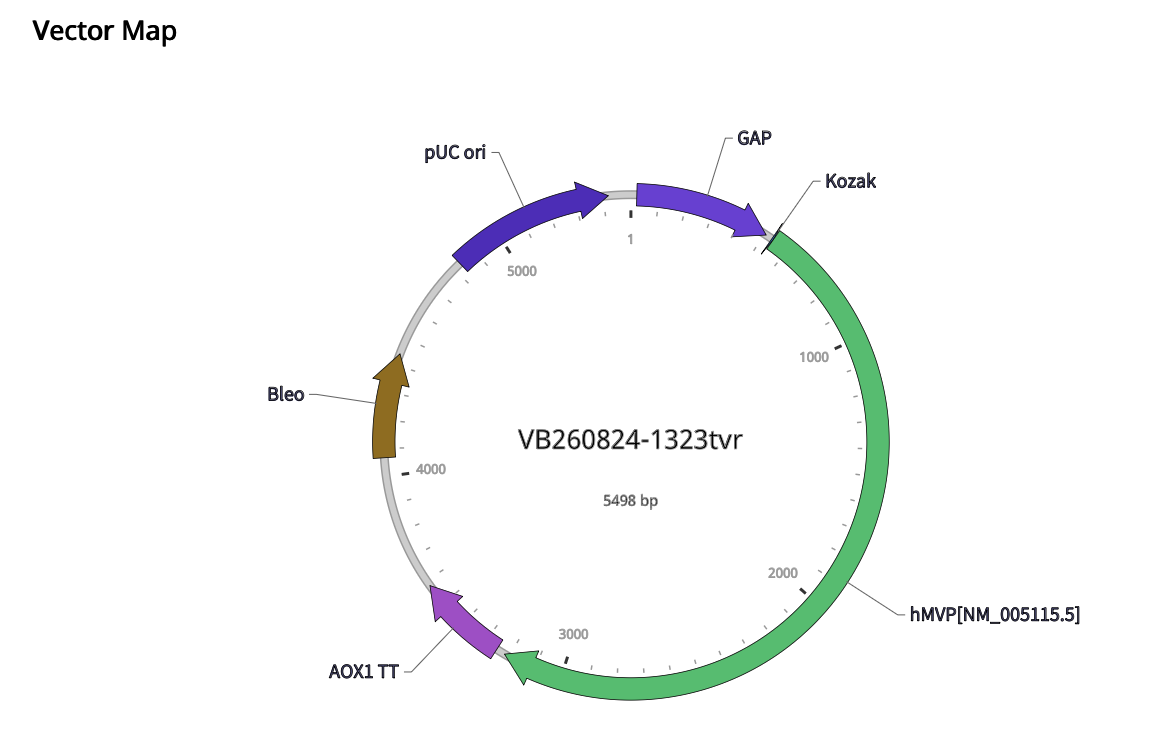
The experiment involved creating fluorescent peptides, emphasizing the complexity of designing biological protocols and plasmids.
THE READ
What the cluster adds up to.
The researcher aimed to bridge the gap between theoretical biosafety evaluations for LLMs and practical laboratory experience. By spending a week in a community wet lab, they sought to gain tacit knowledge that is often critical in biological experimentation but may not be documented in standard protocols.
Adopting this hands-on approach provides insights into the complexities of biosafety, particularly in how biological agents may interact with AI systems. The experience underscores the necessity for AI professionals to understand the biological context in which their models may operate, especially regarding safety and ethical considerations.
However, the researcher also faced challenges, such as needing to design protocols and order plasmids, which can be time-consuming and requires specific knowledge. This indicates that while practical experience is valuable, it also comes with its own learning curve that must be navigated effectively.
The community wet lab model presents a low-cost opportunity for individuals interested in biology and biotechnology to engage in experiments. However, it also emphasizes the need for careful planning and adherence to safety protocols to avoid risks associated with biological experimentation.
Ultimately, this experience may lead to improved biosafety evaluations in AI applications, as the researcher integrates their newfound knowledge into their assessments. This could foster a more responsible development of AI technologies within the life sciences.
Written by elseif from the cluster below · checked for specifics the sources never containedTHE CLUSTER