INFRA Signal 446
Linux 7.2 releases with cache-aware scheduling and drops PCMCIA support amid AI-driven code volume
 ↗
↗
Linux 7.2 introduces cache-aware scheduling for manycore chips and removes legacy PCMCIA support while managing increased AI-generated contributions
This release reflects the growing impact of AI-assisted development on kernel maintenance, forcing trade-offs between stability and rapid iteration. The cache-aware scheduling improvement directly targets performance bottlenecks in modern manycore processors, while the removal of legacy hardware support signals ongoing modernization efforts. Engineers must weigh these changes against potential compatibility breaks in embedded or legacy systems.
Written by elseif from the cluster below · every claim links back to a sourceThe three things worth knowing
Cache-aware scheduling optimizes data access for AMD EPYC 5 and Intel Xeon 6 processors by leveraging existing cache contents
Linux 7.2 drops support for PCMCIA and AppleTalk, continuing the phase-out of legacy hardware interfaces
Linus Torvalds cites AI-generated contributions as a factor in larger, more complex release cycles
THE READ
What the cluster adds up to.
Linux 7.2 introduces cache-aware scheduling, a performance optimization targeting manycore processors like AMD’s EPYC 5 and Intel’s Xeon 6. The change reduces redundant memory access by making the kernel aware of useful data already present in CPU caches. This should improve throughput in workloads with high cache contention, though the gains may vary depending on the specific chip architecture and workload characteristics. The feature’s inclusion suggests growing prioritization of scalability in server-grade hardware, but its effectiveness in real-world deployments remains unproven until tested under production loads.
The removal of PCMCIA and AppleTalk support continues Linux’s long-term trend of shedding legacy hardware interfaces. While PCMCIA has been obsolete for over a decade, its removal could disrupt niche use cases in industrial or embedded systems still relying on older peripherals. Engineers maintaining such systems will need to either freeze kernel versions or invest in hardware upgrades. The decision underscores the kernel team’s focus on reducing maintenance burden, but it also highlights the trade-off between modernization and backward compatibility in open-source projects.
Linus Torvalds’ comments about AI-driven contributions point to a structural shift in kernel development. The increased volume of AI-generated code appears to be accelerating the pace of changes, but also introducing instability that requires late-stage reverts. This dynamic could lead to more frequent but less predictable release cycles, forcing downstream maintainers to adapt their testing and integration workflows. The kernel’s ability to absorb these contributions without compromising stability will be a key challenge as AI-assisted development becomes more widespread.
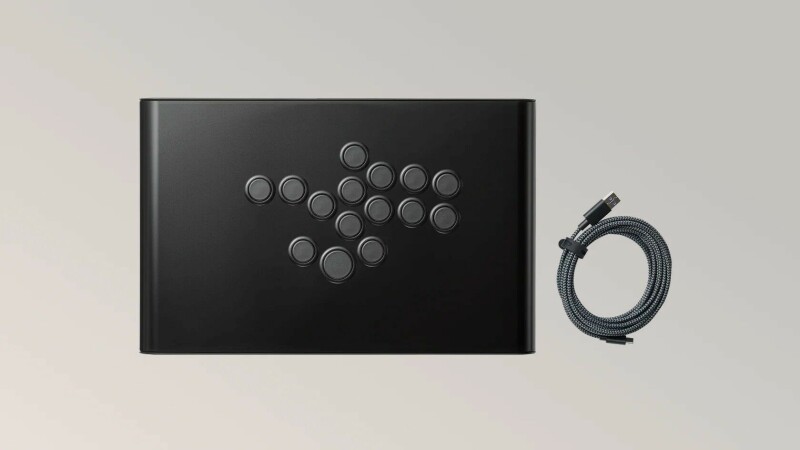
The release also includes support for Apple M3 devices and next-gen AMD, Intel, and Nvidia chips, signaling ongoing efforts to expand Linux’s hardware compatibility. These additions are critical for engineers working on emerging platforms, but they also increase the kernel’s complexity. Each new hardware target requires additional testing and validation, which could strain community resources. The inclusion of niche features like the Zenaim Leverless gaming controller, while seemingly frivolous, demonstrates the kernel’s flexibility, but also raises questions about prioritization in a project with finite maintainer bandwidth.
Written by elseif from the cluster below · checked for specifics the sources never containedTHE CLUSTER