SECURITY Signal 57
Memphis Safe Task Force arrests activist filming under moving 25-foot buffer zone
 ↗
↗
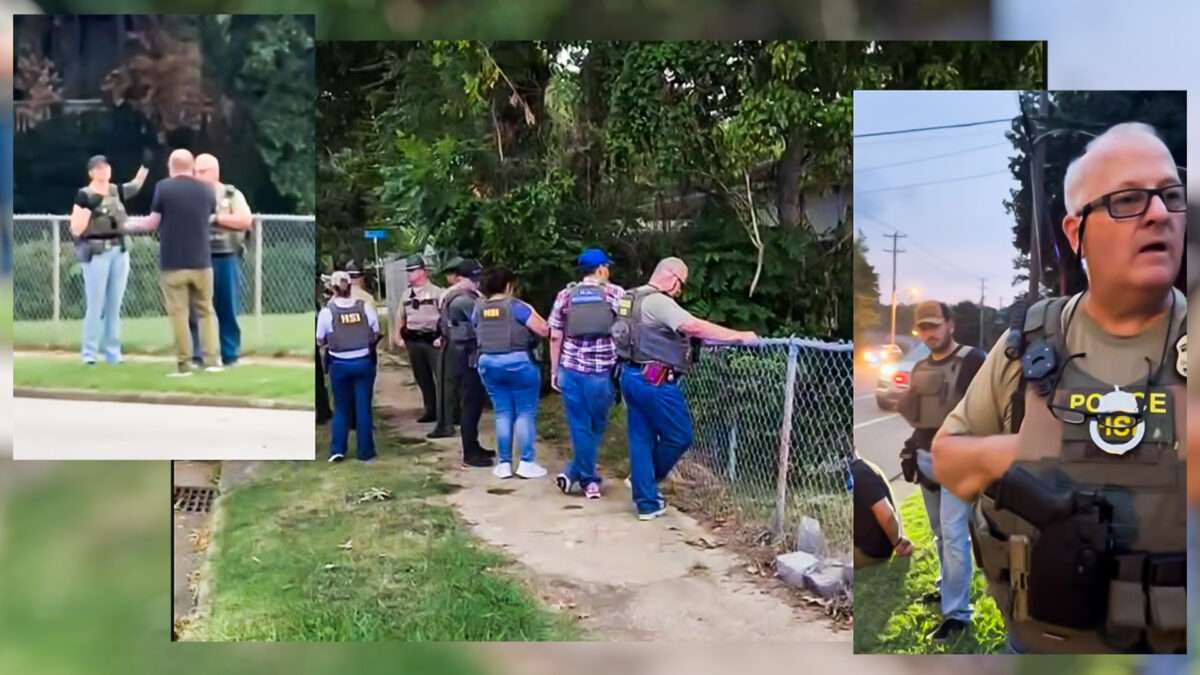
Newly released video shows the Memphis Safe Task Force arresting Hunter Demster, a lead plaintiff in a First Amendment lawsuit, after officers used a state buffer zone law to push him away from a scene he was recording.
The incident demonstrates how buffer zone laws can be applied dynamically to prevent public documentation of law enforcement activity. For engineers and observers, it highlights the legal and physical risks of recording in areas where such statutes are enforced, potentially chilling the ability to document operational security or police conduct.
Written by elseif from the cluster below · every claim links back to a sourceThe three things worth knowing
Officers invoked Tennessee's Halo Law to create a moving 25-foot boundary, forcing the activist to retreat until he was arrested.
The ACLU released the video as supplemental evidence in a lawsuit alleging a continuing campaign of First Amendment retaliation by the task force.
The lawsuit seeks a preliminary injunction to block arrests and intimidation of individuals recording law enforcement under the state's buffer zone statute.
THE READ
What the cluster adds up to.
The core change in this event is the operational application of Tennessee's Halo Law by the Memphis Safe Task Force. Rather than treating the 25-foot buffer as a static perimeter, officers moved toward the subject, effectively extending the restricted zone to wherever they stood. This dynamic interpretation allows law enforcement to physically displace observers from the scene they are documenting, rendering the act of recording impossible without compliance with the moving boundary.
For those attempting to document public safety operations, the cost of this approach is immediate legal jeopardy and physical detention. The video shows that refusing to retreat in response to a moving officer triggers an arrest, as seen with Hunter Demster. Additionally, the presence of legal counsel does not provide immunity; the ACLU's legal director was also threatened with arrest when attempting to intervene, indicating that the buffer zone enforcement extends to anyone entering the immediate vicinity of the interaction.
This enforcement strategy stops working when the observer is no longer within the physical reach of the officers or when the legal challenge succeeds in blocking the statute's application. The lawsuit seeks a preliminary injunction specifically to ban the invocation of this state law against videographers. Until such an injunction is granted, the buffer zone remains a tool for exclusion, and the legal risk for documenting agencies like the Memphis Safe Task Force remains high for individuals and their legal representatives.
The framing of this event by the ACLU as evidence of a 'continuing campaign of intimidation' contrasts with the task force's stated goal of securing perimeters. The video evidence captures the specific mechanism of this conflict: the verbal assertion that the law follows the officer's movement. This distinction is critical for understanding how buffer zone laws are being utilized in practice, moving beyond their legislative intent to protect first responders and into the realm of suppressing public observation.
Written by elseif from the cluster below · checked for specifics the sources never containedTHE CLUSTER