TECH Signal 477 2 feeds carried it
Meta unveils Muse Charm, a Tamagotchi-sized handheld AI companion with a teddy bear avatar
 ↗
↗
Meta has introduced the Muse Charm, a small handheld device featuring a voice-interactive teddy bear avatar, joining a wave of hardware startups attempting to mainstream agentic AI.
Unlike competitors relying on third-party models, Meta controls the entire stack from hardware to cloud LLMs, though the device's value proposition remains unclear compared to existing smartphones. The product targets the holiday market, aiming to capitalize on nostalgia while navigating the privacy controversies associated with Meta's previous wearable hardware.
Written by elseif from the cluster below · every claim links back to a sourceThe three things worth knowing
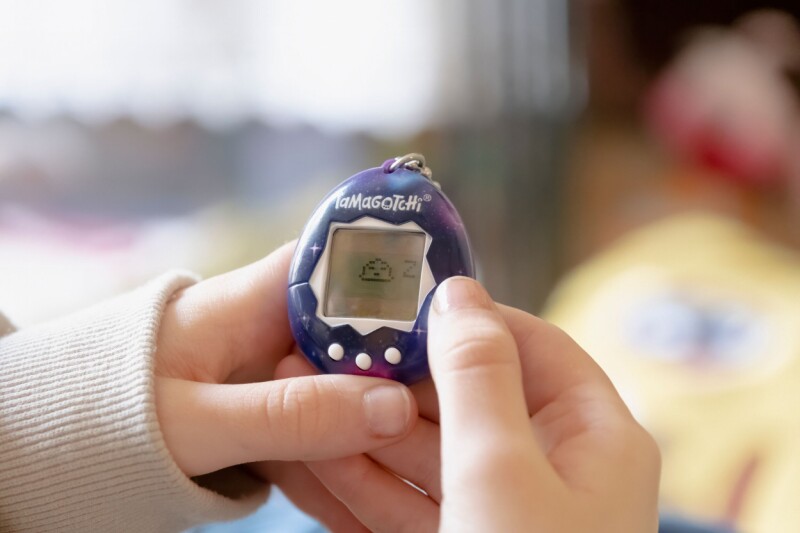
The Muse Charm is a handheld device roughly the size of an Apple Watch that uses a teddy bear avatar for voice interactions.
Meta likely runs voice processing locally but relies on its cloud-based Muse LLMs for the avatar's responses, distinguishing it from startups using off-the-shelf models.
Pricing and specific model details are unannounced, and the device faces criticism for potentially offering little advantage over a smartphone app.
THE READ
What the cluster adds up to.
Meta has entered the crowded market of handheld AI widgets with the Muse Charm, a device designed to resemble a modern Tamagotchi. The product features a teddy bear avatar that communicates via voice, a design choice potentially influenced by recent controversies surrounding Meta's chatbots and underage users. This launch positions Meta alongside startups like Humane and Rabbit, which have previously attempted to bring agentic AI to a mainstream audience through physical hardware.
A key technical distinction for the Muse Charm is Meta's vertical integration, controlling the hardware, software, and underlying models. While the specific Muse models running on the device are not disclosed, the small form factor suggests a hybrid architecture where voice-to-text and text-to-speech occur locally, while the core reasoning is handled by cloud-based LLMs. This approach contrasts with early competitors who often relied on external APIs from companies like OpenAI, potentially offering Meta better latency and privacy control, though the latter remains a sensitive topic for the company.
The commercial viability of the Muse Charm is uncertain, with pricing currently undisclosed and significant questions about its utility. Critics note that most users already carry capable smartphones, making a dedicated AI widget potentially redundant or an expensive gimmick, a criticism previously leveled at the Rabbit R1. The device is expected to ship for Christmas, leveraging holiday nostalgia, but it must overcome the perception that a standalone app could provide similar functionality without the hardware cost.
Meta's history with wearable hardware, specifically the privacy backlash against its camera-equipped glasses, casts a shadow over the new device. The company has already responded to this scrutiny by releasing a camera-less version of its glasses, indicating an awareness of the public relations risks associated with always-on AI companions. The Muse Charm's success will depend on whether users perceive it as a useful tool or another intrusive piece of hardware, a distinction that remains unproven at this stage.
Written by elseif from the cluster below · checked for specifics the sources never containedTHE CLUSTER