TECH Signal 397
Meta introduces realistic holographic avatars for VR glasses and Ray-Ban Display frames
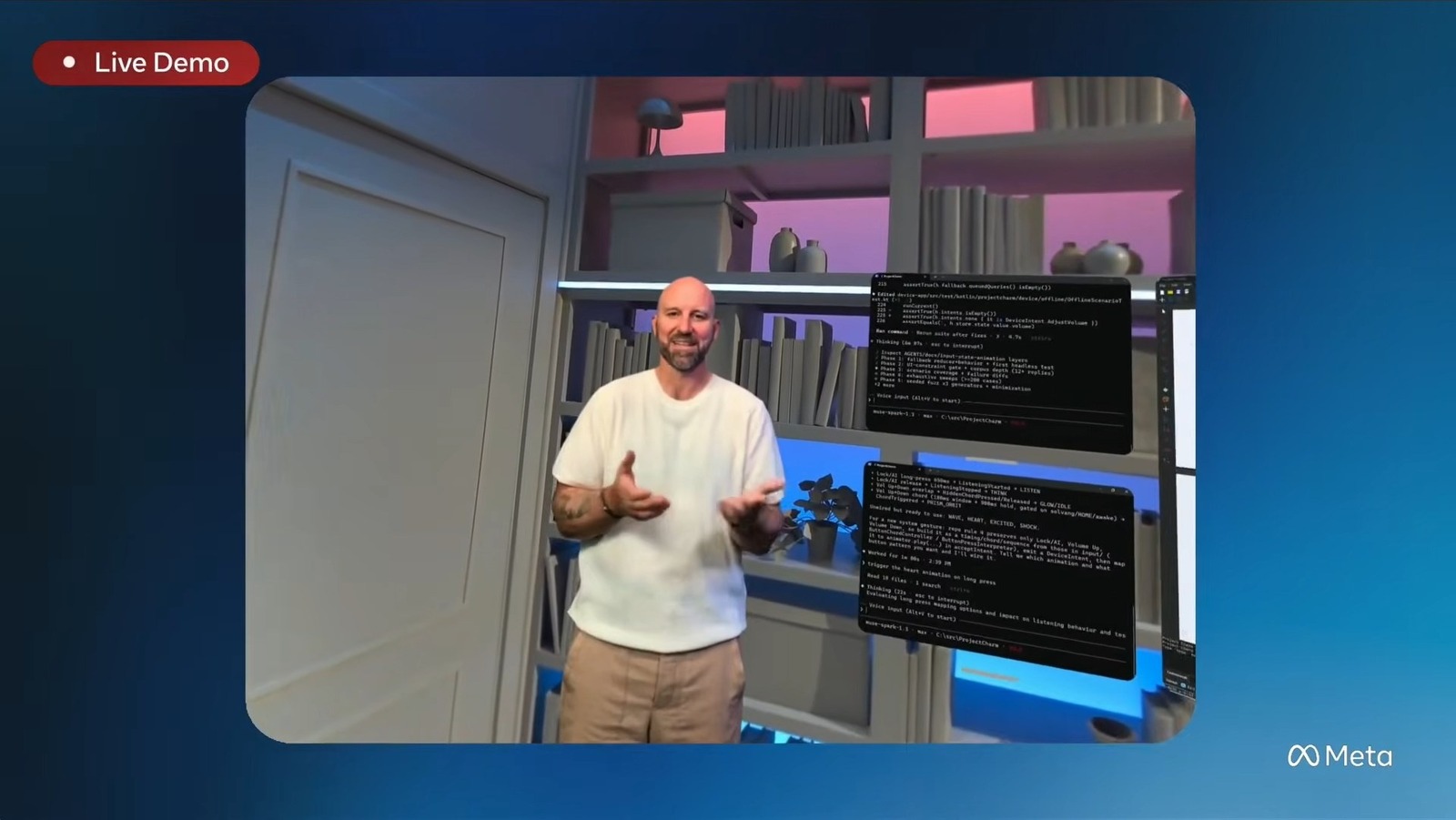 ↗
↗
They're a notable improvement over the company's earlier attempts at digital likeness.
Meta's new holographic avatars represent a significant step forward in creating lifelike digital representations for video calls. This advancement could enhance remote communication by providing a more immersive and realistic experience. However, the current limitations in device compatibility may restrict their broader adoption.
Written by elseif from the cluster below · every claim links back to a sourceThe three things worth knowing
Creating a holographic avatar takes about 5 minutes using the Meta AI app.
The avatars rely on advanced sensors and cameras for facial expression capture, improving realism.
Current interactions are limited to device-specific compatibility, restricting cross-device communication.
THE READ
What the cluster adds up to.
Meta has launched its new holographic avatars, which significantly enhance the realism of digital interactions. The technology allows users to create lifelike avatars that can mimic facial expressions and voice, providing a more engaging experience during video calls. This is a marked improvement from earlier iterations, which were less convincing and often felt artificial.
Setting up these avatars requires roughly 5 minutes, utilizing the Meta AI app. Users must follow prompts to capture their facial angles and voice characteristics, which could be a straightforward process but may encounter glitches, as noted in the demo experience. The quick setup time is advantageous for users looking to engage with the technology without lengthy preparation.
While the avatars demonstrate significant advancements in realism, they currently function within strict limitations regarding device compatibility. Users wearing Ray-Ban Display glasses can only communicate with others using the same device, and VR glasses are similarly restricted. This limitation could hinder the widespread use of the technology until cross-device functionalities are developed.
The avatars also introduce a transparent watermark to indicate when one is being used during video calls, which aims to prevent confusion regarding authenticity. However, this watermark could detract from the immersive experience that Meta aims to provide. Users may still perceive some distortions or blurriness during interactions, particularly when moving around, indicating that further refinement is necessary.
Overall, while Meta's holographic avatars are a promising advancement in virtual communication, their current 'early preview' status and device limitations suggest that users should be prepared for ongoing adjustments and improvements as the technology evolves.
Written by elseif from the cluster below · checked for specifics the sources never containedTHE CLUSTER