DEV TOOLS Signal 51
Micron Taiwan workers reportedly push for profit-sharing bonuses amid AI memory chip boom
 ↗
↗
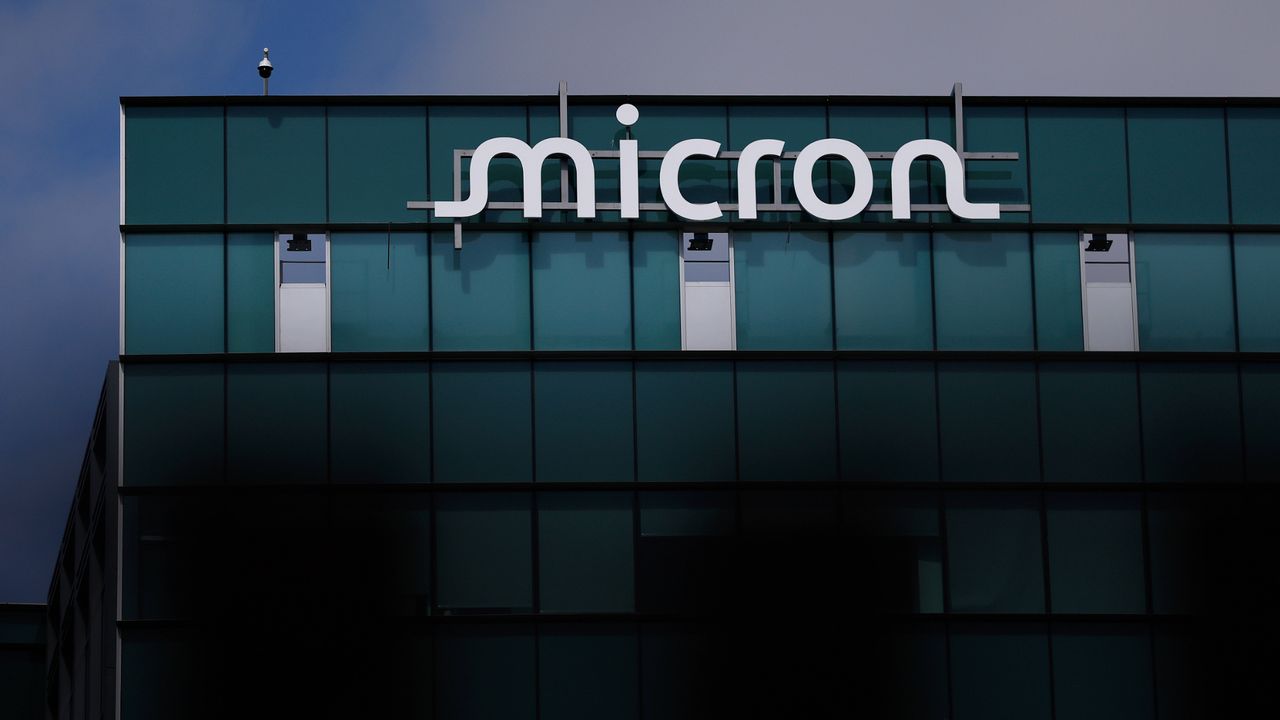
Micron’s Taiwan workforce is mobilizing for a strike to replace fixed bonuses with a profit-sharing model, citing higher payouts at Samsung and SK Hynix.
The dispute highlights how AI-driven demand for memory chips is reshaping labor expectations in semiconductor manufacturing. A strike could disrupt Micron’s HBM production, which supplies data center customers, while setting a precedent for global compensation structures.
Written by elseif from the cluster below · every claim links back to a sourceThe three things worth knowing
80% of Micron’s Taiwan workers support a strike if profit-sharing demands are not met by mid-September.
Samsung and SK Hynix employees reportedly receive bonuses tied to profits, reaching hundreds of thousands of dollars per worker.
Micron’s Taiwan facilities produce 60% of its global output, including most of its high-bandwidth memory for AI data centers.
THE READ
What the cluster adds up to.
Micron’s Taiwan labor union is leveraging the company’s AI-driven revenue surge to demand a shift from fixed bonuses to profit-sharing. The move mirrors recent settlements at Samsung and SK Hynix, where workers secured bonuses linked to company earnings. For Micron, this could mean higher labor costs during peak profitability but also aligns worker incentives with business performance. The timing is critical, as the company’s Cloud Memory Business Unit now accounts for over a third of its revenue, driven by demand for HBM chips in AI data centers.
A strike would directly threaten Micron’s production capacity, particularly for HBM, where Taiwan facilities dominate global output. The company’s recent financials, $41.46 billion in revenue and $28.24 billion in net income, suggest it has room to negotiate, but any deal could create disparities with workers in other regions. Samsung’s May settlement, which averted a strike with bonuses up to $400,000 per employee, sets a high bar for Micron’s management. The outcome may influence labor negotiations across the semiconductor industry, especially as AI demand continues to inflate memory chip prices.
The dispute underscores the broader tension between capitalizing on AI-driven growth and distributing its benefits equitably. While profit-sharing schemes can motivate workers, they also introduce volatility in compensation, tying take-home pay to market cycles. For Micron, agreeing to the union’s demands could stabilize its Taiwan workforce but may trigger similar requests from employees elsewhere. The mediation process, mandated by Taiwan law before a strike vote, will likely focus on balancing these trade-offs. The precedent set here could ripple through the industry, particularly for firms reliant on Taiwanese production hubs.
Written by elseif from the cluster below · checked for specifics the sources never containedTHE CLUSTER