TECH Signal 401
Three-year microSD torture test writes 133PB across 351 cards, SanDisk high-endurance cards fail 6 of 7 tested
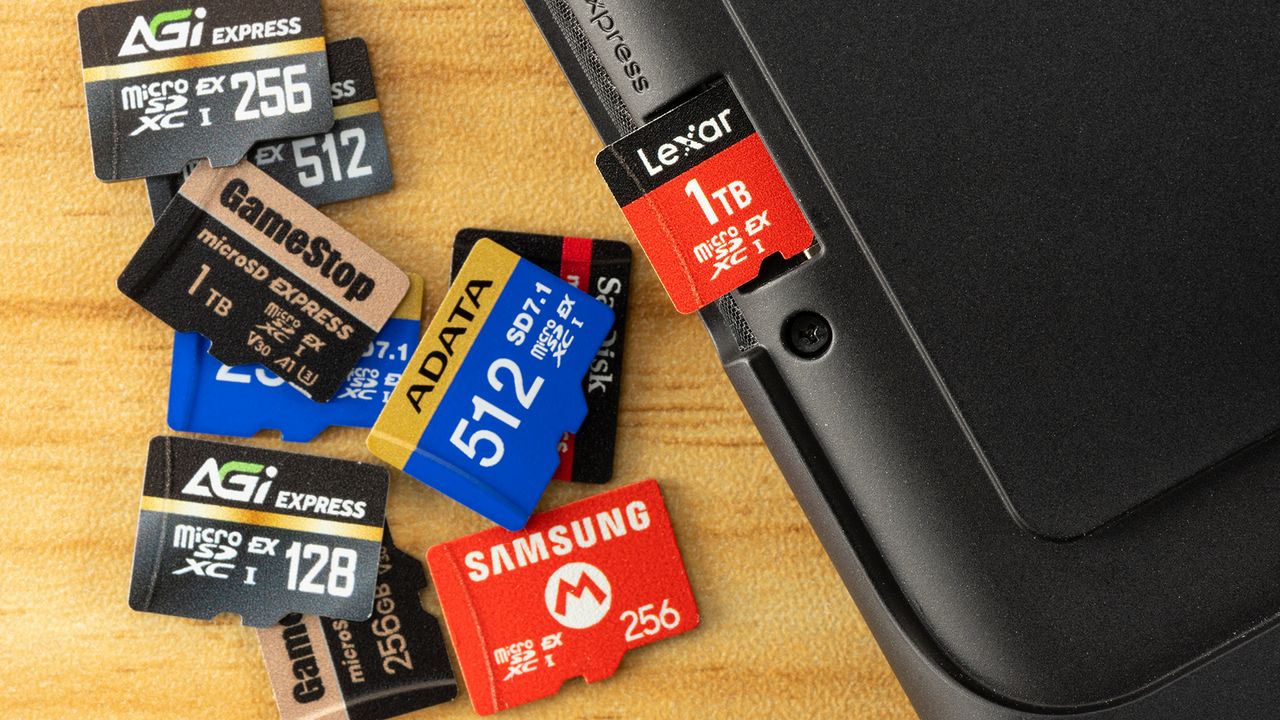 ↗
↗
A long-term endurance test of 351 microSD cards reveals most consumer-grade models last around 10,000 write cycles, with SanDisk high-endurance cards as a notable outlier in failure rates
Engineers selecting microSD cards for embedded systems or data logging need empirical data on real-world endurance. This test provides rare long-term failure rates under sustained write loads, exposing unexpected weaknesses in high-endurance models. The results help quantify risk for applications where card failure means data loss or system downtime
Written by elseif from the cluster below · every claim links back to a sourceThe three things worth knowing
Consumer-grade microSD cards averaged 10,000 program/erase cycles before failure, with PNY and Kingston topping the rankings
SanDisk high-endurance cards failed 6 out of 7 tested, despite being marketed for heavy-duty use
Test conditions were extreme but consistent, writing 133 petabytes across 351 cards over three years
THE READ
What the cluster adds up to.
This test provides rare empirical data on microSD card endurance under sustained write loads. Most consumer-grade cards lasted around 10,000 program/erase cycles, which translates to roughly 600-700 days of continuous writing in the test setup. The results give engineers concrete numbers to estimate card lifespan in applications like dashcams, IoT devices, or edge servers where cards experience frequent writes. The test also reveals that high-endurance models don't always deliver on their promises, with SanDisk cards failing at an unusually high rate despite their premium positioning.
The failure rate of SanDisk high-endurance cards stands out as the most surprising result. While most brands showed consistent performance within their categories, SanDisk's 6 failures out of 7 tested cards suggest either a batch issue or a fundamental design flaw in that product line. This matters because high-endurance cards are often selected for mission-critical applications where failure means data loss or system downtime. The test conditions were extreme but consistent, meaning the relative performance between brands remains valid even if absolute lifespan numbers would differ in real-world use.
The test methodology provides useful context for interpreting the results. Cards were tested until they either failed completely, became read-only, or experienced verification failures in more than half their sectors. This matches real-world failure modes engineers might encounter. The test also controlled for variables like temperature and write patterns, making the results more reliable than anecdotal reports. However, the extreme conditions mean these numbers represent worst-case scenarios rather than typical consumer use cases.
Cost considerations emerge from both the test results and the test setup itself. While industrial-grade cards lasted significantly longer, their higher price makes them impractical for many applications. The test also required substantial hardware investment, with multiple mini-PCs and laptops running continuously for three years. This demonstrates the resource-intensive nature of endurance testing, which is why such comprehensive data is rarely available. Engineers can use these results to make cost/benefit tradeoffs when selecting cards for different use cases.
Written by elseif from the cluster below · checked for specifics the sources never containedTHE CLUSTER