TECH Signal 436
Microsoft-linked data center in New Jersey reportedly built 62 unpermitted gas turbines and LNG tank
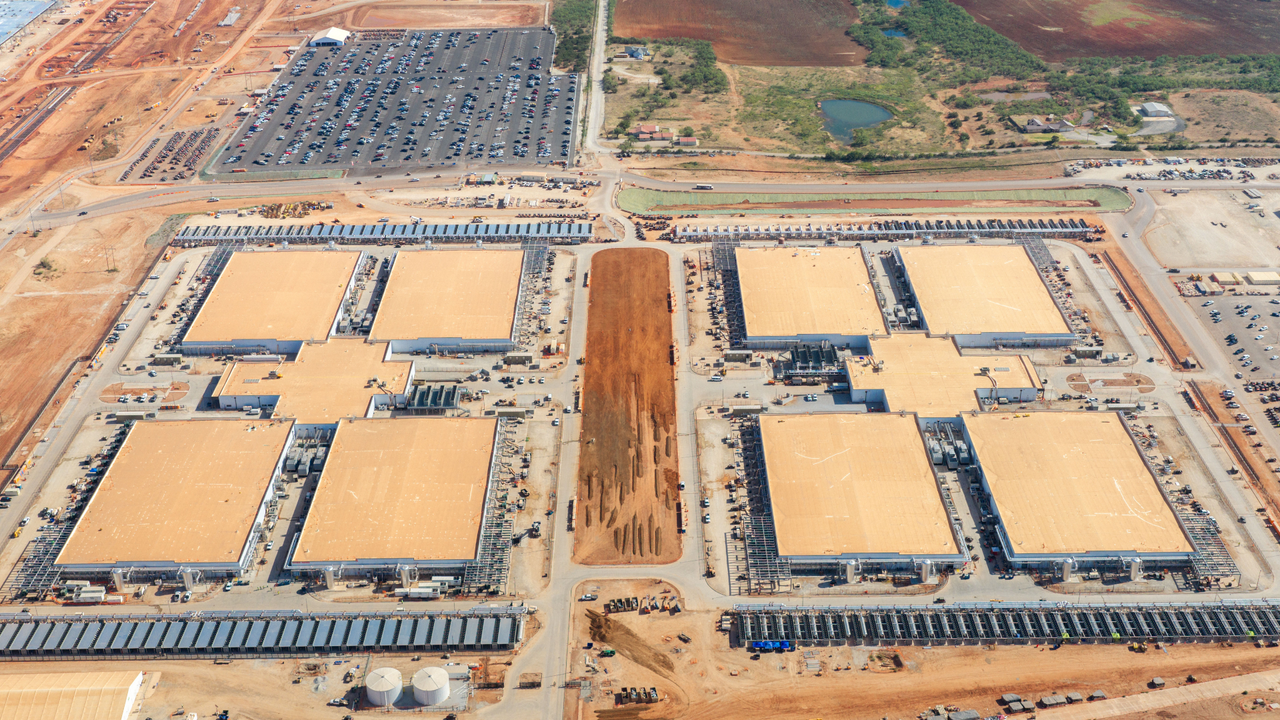 ↗
↗
A $19.4B AI data center in Vineland, New Jersey, faces community backlash over unpermitted infrastructure and environmental violations linked to Microsoft’s contracted capacity.
This incident highlights the regulatory and environmental risks of rapid AI data center expansion. Engineers must account for permitting, noise, and water management in hyperscale projects, as failures can delay operations and damage corporate reputations. The case also underscores the liability risks for contractors and clients when third-party infrastructure violates local laws.
Written by elseif from the cluster below · every claim links back to a sourceThe three things worth knowing
The facility reportedly installed 62 unpermitted gas turbines and a 1.5M-gallon LNG tank, violating air quality and construction regulations.
Residents report noise pollution and potential stormwater mismanagement, risking flooding and groundwater depletion.
Microsoft’s indirect involvement via a contractor raises questions about oversight of third-party infrastructure projects.
THE READ
What the cluster adds up to.
The DataOne data center in Vineland, New Jersey, has become a flashpoint for conflicts between AI infrastructure growth and local regulations. The facility’s reported use of 62 unpermitted gas turbines, 45 of which run continuously, mirrors tactics used by other hyperscale operators, such as SpaceXAI in Memphis. These turbines, along with an unpermitted 1.5-million-gallon LNG tank, suggest a pattern of prioritizing speed over compliance, particularly in regions with less stringent enforcement. For engineers, this raises concerns about the trade-offs between rapid deployment and adherence to environmental and zoning laws, which can lead to costly remediation or legal action later.
Noise pollution and stormwater management issues further complicate the project’s viability. Residents within a half-mile radius have reported a persistent low-frequency hum, likely from the turbines, while third-party reviews indicate the facility’s stormwater system may underestimate groundwater recharge by 20 million gallons annually. These problems are not just regulatory headaches; they pose tangible risks to local water supplies and quality of life. Engineers designing similar facilities must weigh the long-term costs of non-compliance, including potential fines, operational delays, and reputational damage, against the short-term benefits of accelerated construction.
Microsoft’s indirect role in the project, through a contract with Nebius for AI computing capacity, highlights the challenges of oversight in third-party infrastructure. While Microsoft does not own or operate the data center, its financial backing and public commitments to sustainability make it a target for criticism. The situation parallels legal precedents where clients have been held liable for contractors’ environmental violations. For engineers, this underscores the need for rigorous due diligence in vendor selection and ongoing compliance monitoring, as well as clear contractual language to mitigate risks.
The backlash also reflects broader tensions between AI-driven demand for data centers and community resistance. The Vineland facility’s $19.4B investment and 100,000 Nvidia GPUs underscore the scale of AI infrastructure, but the lack of transparency, residents only learned of the project after construction began, has fueled distrust. Engineers must recognize that public perception and local engagement are critical to avoiding delays. Proactive measures, such as early community consultations and independent environmental audits, could help balance the need for rapid expansion with regulatory and social license to operate.
Written by elseif from the cluster below · checked for specifics the sources never containedTHE CLUSTER