TECH Signal 363
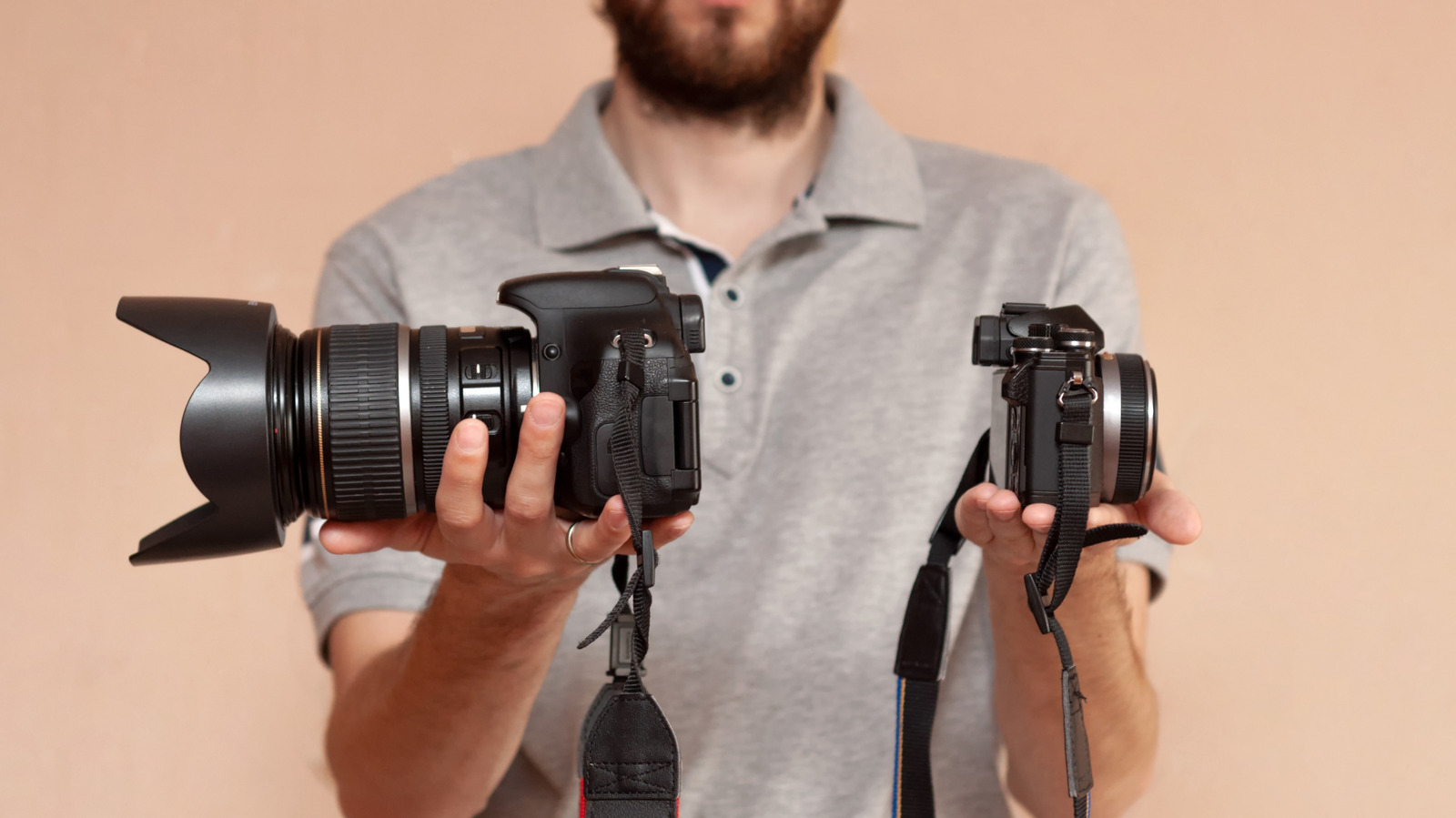
Mirrorless vs DSLR: Which camera type is better?
 ↗
↗
Mirrorless cameras now dominate new interchangeable-lens camera shipments, with DSLRs relegated to legacy and used markets.
Engineers building imaging systems or integrating camera hardware must account for the industry’s pivot to mirrorless. DSLRs remain viable for existing setups but are no longer the default for new development. The shift affects autofocus, video, and lens ecosystem choices.
Written by elseif from the cluster below · every claim links back to a sourceThe three things worth knowing
Mirrorless cameras now represent 90 percent of interchangeable-lens camera shipments, reflecting industry investment in autofocus, video, and electronic viewfinders.
DSLRs retain advantages in battery life and optical viewfinder clarity but lack modern autofocus and video features driving new development.
Adapters allow DSLR lenses to work with mirrorless bodies, easing transitions but not addressing the long-term decline of DSLR support.
THE READ
What the cluster adds up to.
The camera industry has decisively shifted toward mirrorless technology, with mirrorless models accounting for 90 percent of interchangeable-lens camera shipments. This change is driven by manufacturers prioritizing autofocus improvements, video capabilities, and electronic viewfinders, which provide real-time exposure previews and subject tracking. For engineers integrating camera hardware, this means mirrorless is now the default choice for new projects, while DSLRs are increasingly limited to legacy or cost-sensitive applications.
DSLRs still offer advantages in specific scenarios, particularly for users already invested in the ecosystem. Optical viewfinders provide a lag-free, battery-efficient way to compose images, and DSLRs often deliver better battery life due to the lack of power-hungry electronic displays. However, these benefits are offset by the lack of modern autofocus systems, slower burst shooting, and limited video features, which are critical for many professional and consumer applications. The shift is not about image quality, both systems can produce excellent results, but about workflow and feature parity.
The transition from DSLR to mirrorless is eased by adapters that allow DSLR lenses to be used on mirrorless bodies, but this is a stopgap rather than a long-term solution. Manufacturers like Canon and Nikon have halted new DSLR development, focusing instead on mirrorless lens ecosystems. For engineers, this means future-proofing systems requires adopting mirrorless hardware, even if it involves higher upfront costs for lenses and adapters. The used DSLR market may offer value for budget-conscious projects, but new development should assume mirrorless as the baseline.
The decline of DSLRs also reflects broader trends in imaging technology, where electronic systems are replacing mechanical ones. Mirrorless cameras eliminate the mirror mechanism, reducing moving parts and enabling features like silent electronic shutters and faster burst rates. However, this shift introduces trade-offs, such as increased power consumption and potential lag in electronic viewfinders. Engineers must weigh these factors when selecting hardware for applications like machine vision, robotics, or embedded imaging systems, where reliability and power efficiency are critical.
Written by elseif from the cluster below · checked for specifics the sources never containedTHE CLUSTER