TECH Signal 507
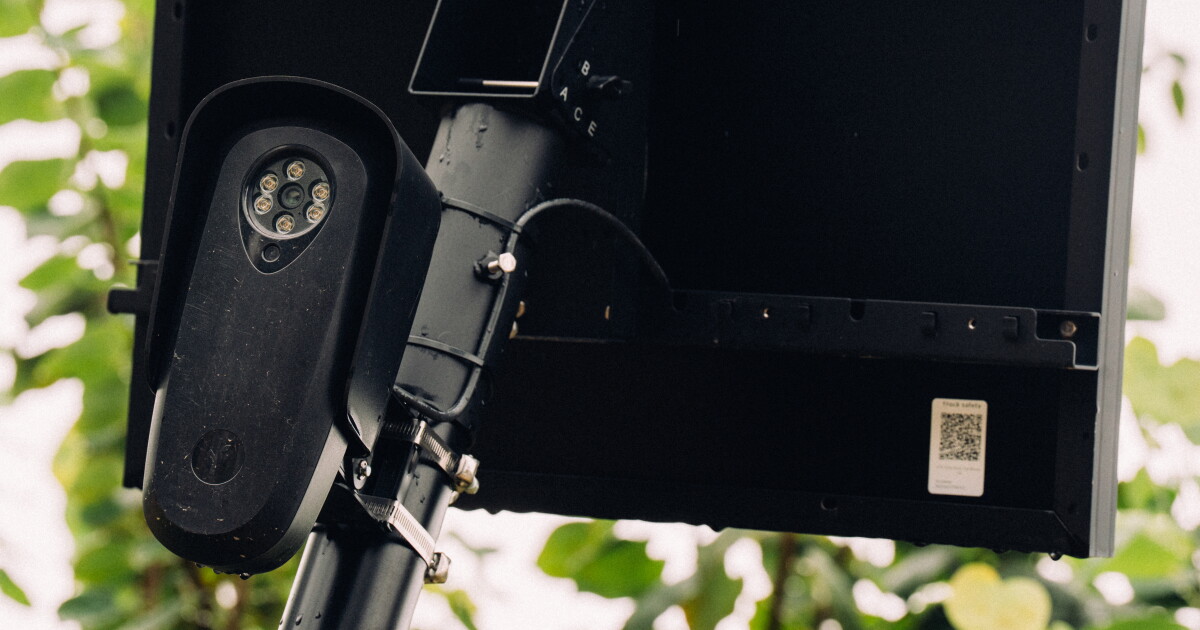
Missouri governor orders guardrails on Flock cameras and ALPRs
 ↗
↗
Missouri implements safeguards for automated license plate readers to protect residents' privacy rights
The executive order establishes strict regulations on the use of automated license plate readers, addressing privacy concerns raised by residents. By mandating data deletion and prohibiting misuse, it aims to prevent potential abuse of information collected by law enforcement. This move may influence similar legislative efforts in other states regarding surveillance technologies.
Written by elseif from the cluster below · every claim links back to a sourceThe three things worth knowing
The order requires most data from license plate readers to be deleted within 30 days.
It prohibits vendors from selling or sharing data generated in Missouri.
The use of license plate readers is restricted to legitimate law enforcement purposes only.
THE READ
What the cluster adds up to.
Missouri Governor Mike Kehoe's executive order introduces significant limitations on the use of automated license plate readers (ALPRs), specifically targeting technology like Flock cameras. The order mandates that most collected data must be deleted within 30 days, which is a critical measure aimed at protecting the privacy of residents. This establishes a clear timeline for data retention, addressing concerns over indefinite storage.
Under the new regulations, vendors are banned from selling or sharing data obtained from these systems, which aims to curb potential exploitation of sensitive information. This restriction is particularly important in light of public anxiety about surveillance practices and the misuse of personal data by both private companies and government entities.
The executive order also emphasizes accountability by threatening disciplinary actions, including criminal referrals, against any misuse of the data. This approach seeks to foster trust between law enforcement and communities by ensuring that any potential violations are met with significant consequences, thus supporting lawful and ethical use of technology.
Moreover, the order prohibits the integration of facial recognition technology with ALPRs, which has been a contentious topic among privacy advocates. This measure aims to further protect citizens' rights and prevent invasive surveillance techniques that could lead to greater privacy infringements.
Overall, this executive order represents a proactive step toward addressing the balance between law enforcement capabilities and the protection of individual privacy rights. Its implementation could set a precedent for similar legislation in other states, encouraging a broader reevaluation of surveillance technologies and their oversight.
Written by elseif from the cluster below · checked for specifics the sources never containedTHE CLUSTER