TECH Signal 407
10,000-hour test: OLED burn-in persists across generations, but 2023 panels are twice as bright and 27% more efficient
 ↗
↗
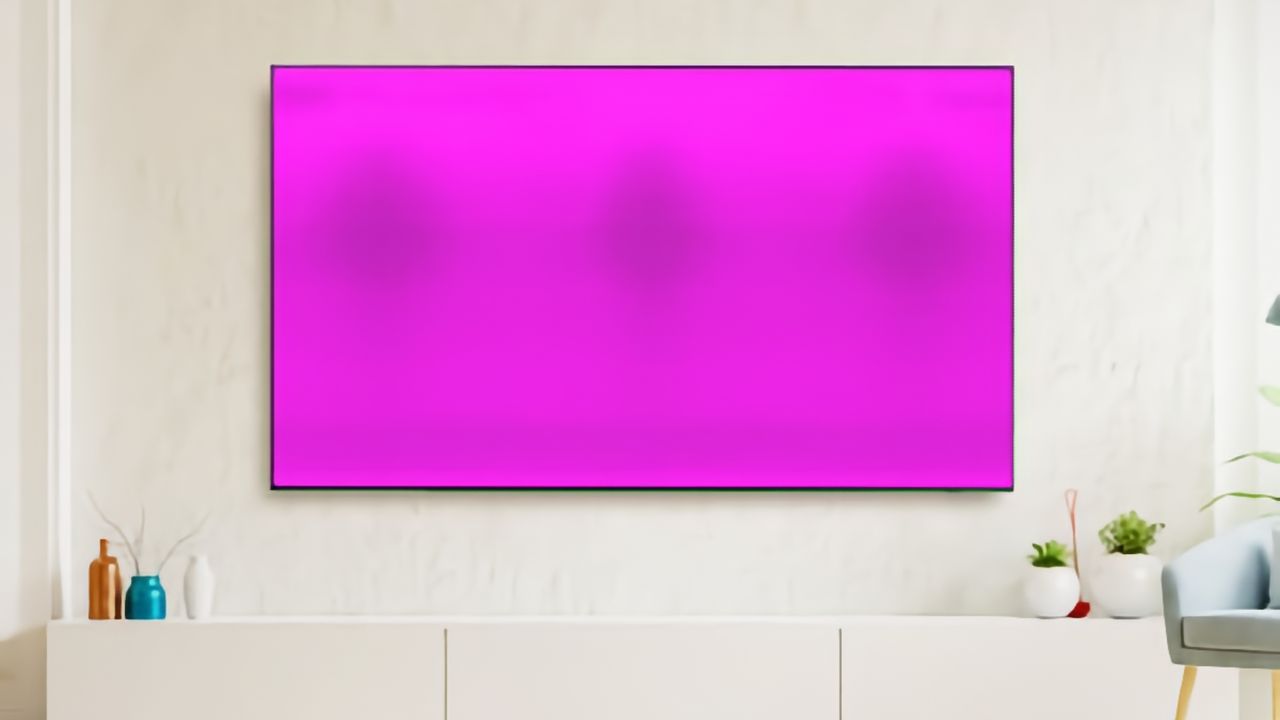
Rtings' 10,000-hour test shows modern OLEDs suffer similar burn-in to 2017 panels, but they are significantly brighter and more efficient, offering headroom to reduce wear.
For engineers, this test shows that OLED burn-in remains a fundamental limitation, but the efficiency gains allow operating at lower brightness to reduce stress. The higher peak brightness provides a trade-off between luminance and longevity, which is a practical design consideration.
Written by elseif from the cluster below · every claim links back to a sourceThe three things worth knowing
Modern OLEDs from 2020-2023 show similar image retention after 10,000 hours as a 2017 model.
2023 OLEDs are more than twice as bright at full-screen and 28% brighter in 10% windows than 2017 models.
2023 OLEDs are about 27% more efficient, consuming 95W at 100 nits versus 130W for 2017.
THE CLUSTER