TECH Signal 193
Montana's Anti-Deepfakes Law Blocked by First Amendment Ruling
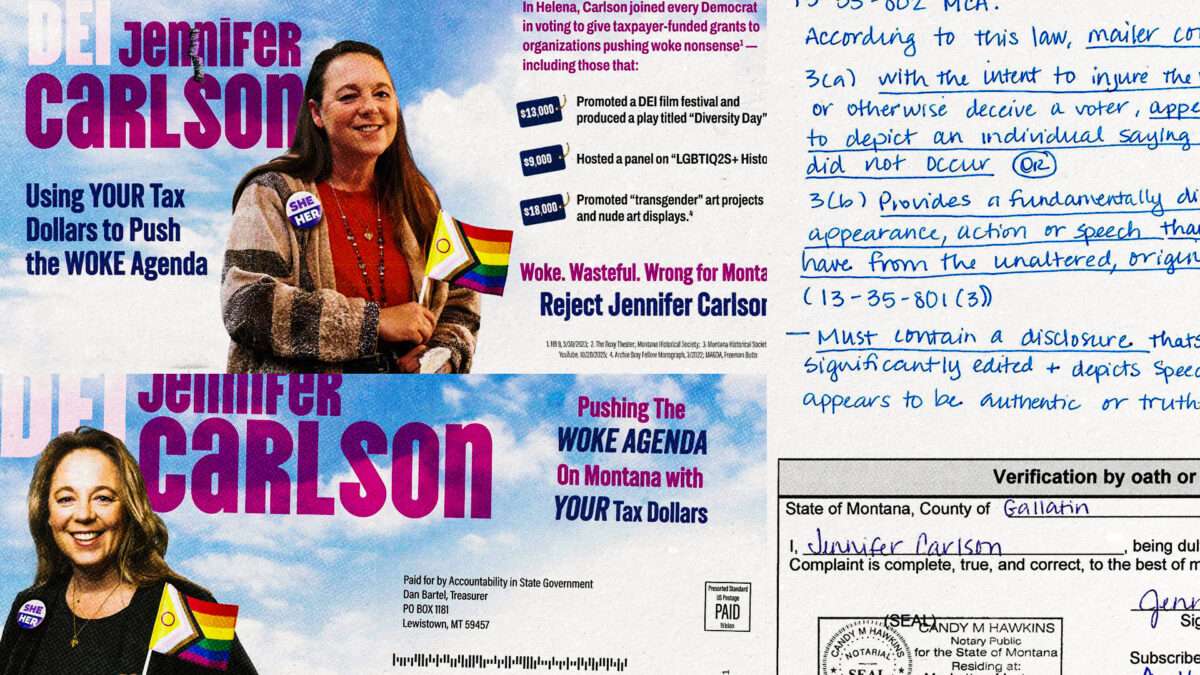 ↗
↗
A federal judge found Montana's law restricting AI-generated political speech likely violates the First Amendment.
This ruling highlights the ongoing conflict between state regulations on AI-generated content and constitutional free speech protections. As states attempt to regulate deepfakes in political contexts, they face significant legal challenges that could shape future legislation. The outcome may deter further attempts to impose similar restrictions across the country.
Written by elseif from the cluster below · every claim links back to a sourceThe three things worth knowing
Montana's law prohibited AI-generated political ads within 60 days of voting if deemed deepfakes.
The law was challenged based on its potential violation of First Amendment rights.
Previous attempts in other states to regulate AI-generated political content have also faced legal setbacks.
THE READ
What the cluster adds up to.
Montana's recent law aimed to restrict AI-generated political advertisements has been halted by a federal judge's ruling, which stated that the law likely infringes on First Amendment protections. The law's framework allowed for subjective interpretations of what constituted a deepfake, leading to potential inconsistencies in enforcement and application.
The judge's preliminary injunction suggests that the law's focus on whether a deepfake was intended to damage a candidate's reputation could be problematic. This selective treatment of content raises concerns about the potential for discrimination against certain forms of political expression, particularly satire and parody, which are often subjective in nature.
Montana's situation reflects a broader trend where several states have attempted to implement similar restrictions, only to face constitutional challenges. The ruling serves as a warning to other states considering similar legislation, emphasizing the complexities involved in regulating AI-generated content without infringing on free speech rights.
With Montana now facing a potential appeal, the outcome of this case could have implications for future regulations on AI-generated political speech. The legal landscape remains unsettled, and this ruling may discourage states from pursuing stringent regulations that could violate constitutional norms.
Overall, the intersection of emerging technologies and legal frameworks surrounding political speech is proving to be a contentious area, with courts increasingly scrutinizing state efforts to impose limits on AI-generated media in electoral contexts.
Written by elseif from the cluster below · checked for specifics the sources never containedTHE CLUSTER