PLATFORMS Signal 412
Moove raises $250M to become the backbone of the robotaxi industry
 ↗
↗
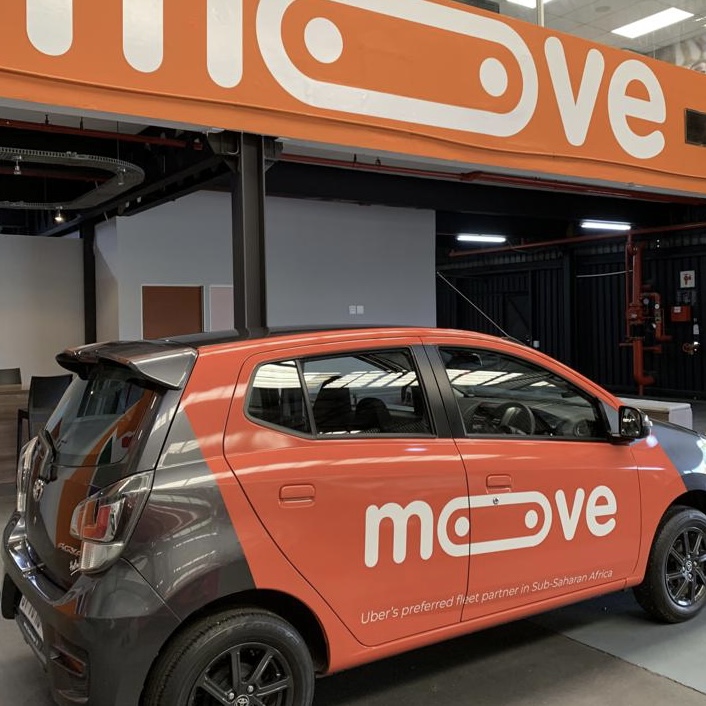
Moove has raised $250 million to expand from human-driven ride-hailing into autonomous vehicle fleet management and eventual ownership of robotaxis.
The new capital will let Moove scale its backend services for Waymo-operated robotaxis, adding a layer of fleet orchestration that existing AV platforms currently handle themselves. Engineers building autonomous-mobility software will need to integrate with Moove’s management APIs, support automated depot operations, and accommodate a financing-driven ownership model. The move also signals a shift toward third-party operators owning the hardware, which could change how data, maintenance, and liability are allocated across the ecosystem.
Written by elseif from the cluster below · every claim links back to a sourceThe three things worth knowing
Moove is transitioning from financing and human-driven ride-hailing to managing and eventually owning autonomous vehicle fleets.
The $250 M Series C will fund hiring, automated “Nests” depots, and debt financing to purchase robotaxis, starting with Waymo partners in several U.S. cities.
Ownership of Waymo vehicles is not yet in place, and the timeline for fully automated depots and large-scale robotaxi acquisition remains undefined.
THE READ
What elseif makes of it.
Moove, originally a vehicle-financing and ride-hailing operator, has secured a large funding round to pivot toward autonomous fleet services. The company already runs a sizable human-driven fleet across multiple countries, giving it experience in large-scale vehicle logistics. This background is being leveraged to create a product that not only operates but also eventually owns robotaxis. The announcement marks a strategic broadening of Moove’s business model beyond financing into hardware ownership.
The fresh capital will be allocated to grow the autonomous-vehicle management arm, including a hiring push of several hundred staff. Moove will act as the fleet operator for Waymo in three U.S. markets and plans to acquire the robots themselves using debt financing. Existing Waymo vehicles remain under Waymo’s ownership for now, so Moove’s operational responsibilities focus on dispatch, maintenance, and servicing. Engineers will need to adapt to a model where fleet orchestration is separated from vehicle manufacturing and software development.
A key technical initiative is the development of “Nests,” automated depots that aim to run without human oversight. These facilities are intended to handle charging, routine maintenance, and cleaning through robotics, potentially reducing operating costs. Moove currently has a number of depots at various stages of build-out, but the fully autonomous version is still a future product. Software teams will have to design interfaces that allow depot robots to communicate with vehicle control systems and fleet management platforms.
Despite the ambitious roadmap, Moove does not yet own any Waymo robotaxis and has not disclosed when purchases will begin. The automated depot concept also lacks a concrete rollout schedule, meaning current operations will still rely on traditional facilities and manual processes. Consequently, any integration work must accommodate both legacy depot workflows and the forthcoming automated systems, and must be flexible enough to handle regulatory variations across the regions where Moove operates.
Written by elseif from the cluster below · checked for specifics the sources never containedTHE CLUSTER