TECH Signal 238
Multi-Agent Coordination Reportedly Increases Compute Efficiency in Post-Training for AI Models
 ↗
↗
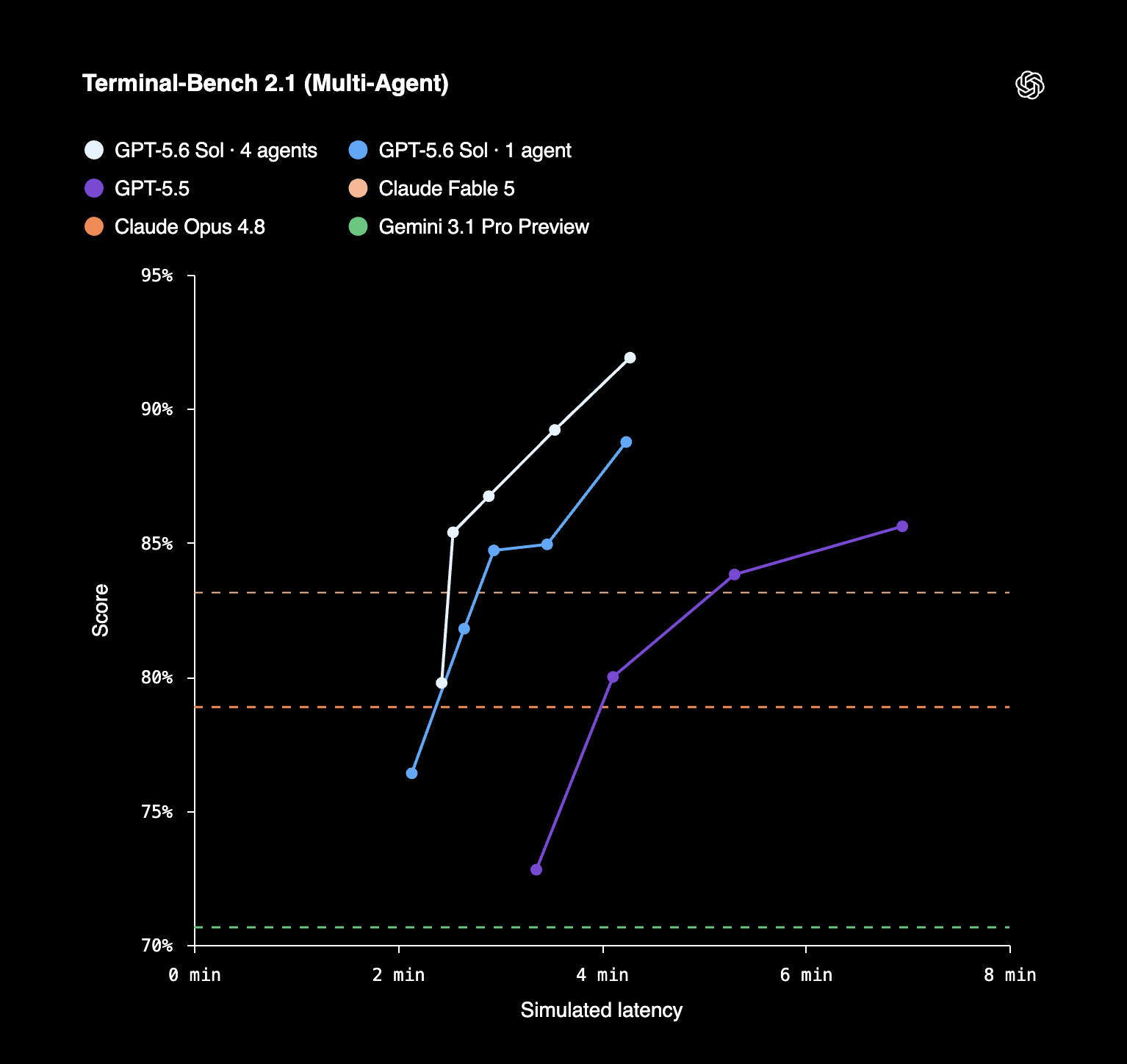
Training models to coordinate across multiple agents allows for significantly more compute usage during post-training compared to single-agent setups.
This approach may enhance the efficiency of AI training processes, enabling more complex and capable models. By leveraging multi-agent coordination, engineers can expect better performance in tasks requiring collaborative problem-solving. As the techniques mature, the cost of producing high-quality outputs could decrease, making advanced AI more accessible.
Written by elseif from the cluster below · every claim links back to a sourceThe three things worth knowing
Multi-agent coordination allows for a dramatic increase in the amount of compute used during post-training.
The approach requires complex infrastructure to manage weight updates and inference across multiple agents.
Current challenges include improving effective communication among agents and reducing the number of tokens needed for solutions.
THE READ
What the cluster adds up to.
The shift towards multi-agent coordination in AI models represents a significant change in the way post-training is approached. By allowing models to work together, engineers can utilize more compute during the training phase than traditional single-agent reinforcement learning setups would allow. This new method enables larger and more complex trajectories to be analyzed, thus improving the overall efficiency of the training process.
Implementing multi-agent systems requires sophisticated infrastructure to manage the interactions between learner workers and inference workers. This includes handling the updates to model weights and coordinating the generation of rollouts across multiple agents. The complexity involved means that organizations must invest in both robust systems and talent skilled in managing these intricate setups, potentially increasing the cost of implementation.
While the benefits of multi-agent coordination are clear, there are still limitations to consider. The current training process can be brittle, with models occasionally failing to communicate effectively across instances. This can lead to inefficiencies and 'useless' trajectories that do not contribute to the learning process. Engineers will need to continue refining these systems to improve communication and collaboration among agents, ensuring that the anticipated benefits are fully realized.
Written by elseif from the cluster below · checked for specifics the sources never containedTHE CLUSTER