TECH Signal 302
Montreal Economic Institute Paper Discusses Legal Vulnerabilities of Trump's Tariffs on Canada
 ↗
↗
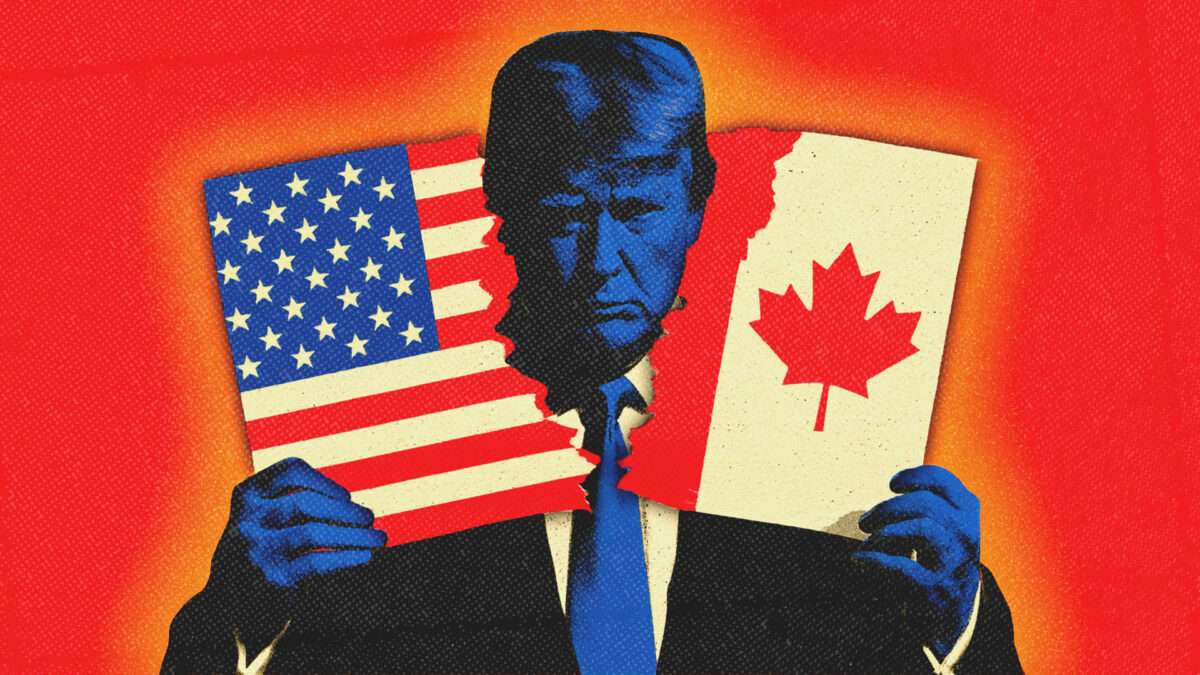
The paper provides an overview of the legal vulnerabilities of the Trump tariffs against Canadian goods, and what can be done to prevent a recurrence of his abuses.
This paper highlights the legal challenges surrounding tariffs imposed by the Trump administration, which could have significant implications for trade relations between the US and Canada. Understanding these vulnerabilities can help Canadian policymakers and businesses navigate the economic impact of potential tariffs and advocate for more stable trade agreements.
Written by elseif from the cluster below · every claim links back to a sourceThe three things worth knowing
The paper argues that Trump's tariffs are illegal and lack a solid legal foundation.
It discusses the potential for Canadian businesses to capitalize on the weaknesses of these tariffs.
The paper outlines various legal challenges and court rulings that have invalidated previous tariffs imposed by Trump.
THE READ
What the cluster adds up to.
The publication discusses the legal framework surrounding Trump's tariffs, highlighting the vulnerabilities that have led to their invalidation in the past. The author emphasizes that tariffs imposed under the International Emergency Economic Powers Act and other legislative measures have been challenged and struck down by the US Supreme Court due to constitutional overreach.
The paper also outlines ongoing litigation regarding Trump's attempts to impose new tariffs, identifying legal precedents that have favored challenges against such actions. The author notes that even if tariffs are temporarily in place, their long-term viability is questionable due to existing legal precedents and potential for judicial intervention.
Canadian businesses and policymakers are encouraged to recognize the precarious nature of these tariffs and consider strategies to mitigate their impact. By understanding the legal landscape, Canada can better position itself to respond to these economic threats and potentially leverage them to strengthen trade relations or renegotiate terms.
Written by elseif from the cluster below · checked for specifics the sources never containedTHE CLUSTER