SECURITY Signal 519 2 feeds carried it
NASA and IBM release open-source multimodal AI model for lunar surface analysis
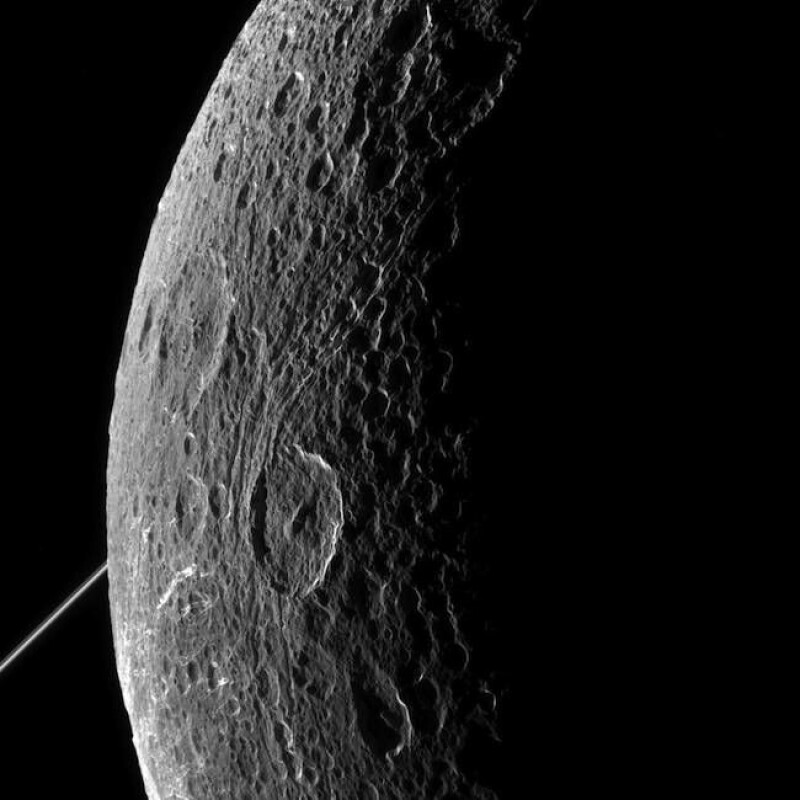 ↗
↗
NASA and IBM open-sourced a foundation AI model trained on lunar observation data to identify geographic features, ice deposits, and craters.
This tool reduces manual effort in lunar data analysis by integrating multiple data formats and resolutions. It could accelerate discoveries for future missions, though hardware requirements may limit accessibility for smaller teams. The open-source release allows global researchers to build on the model.
Written by elseif from the cluster below · every claim links back to a sourceThe three things worth knowing
The model combines multimodal lunar data from nine instruments across four missions for improved analysis.
It targets identification of ice deposits, volcanic features, and craters in hard-to-observe regions.
Hardware requirements vary but fine-tuning typically requires Nvidia A100 GPUs or equivalent
THE READ
What the cluster adds up to.
NASA and IBM have released an open-source AI foundation model designed to analyze lunar surface data. The model integrates observations from multiple instruments and missions, enabling researchers to process geographic features, ice deposits, and craters without manual sifting or low-resolution alternatives. This marks a shift from traditional methods, where data from different sources often required separate analysis pipelines.
The model’s multimodal and multi-resolution capabilities address a key challenge in lunar research: permanently shadowed regions, where ice deposits are likely but difficult to observe. By combining tens of thousands of images and maps, the tool aims to reveal patterns that single-instrument datasets might miss. However, its effectiveness depends on the quality and alignment of the underlying data, which may vary across missions.
Hardware requirements present a practical limitation. While IBM states that smaller experiments may run on modest hardware, fine-tuning the model typically demands Nvidia A100 GPUs. This could restrict adoption to well-resourced teams or institutions, though the open-source release allows for community-driven optimizations. The model’s utility will also depend on how easily researchers can adapt it to specific tasks beyond the predefined use cases.
This release extends NASA and IBM’s collaboration on AI models for scientific research, following earlier projects like Prithvi for satellite imagery and Surya for solar flare prediction. The open-source approach aligns with broader trends in scientific AI, where shared tools can accelerate discoveries. However, the lack of disclosed parameter counts or model size leaves questions about scalability and potential biases in the training data.
Written by elseif from the cluster below · checked for specifics the sources never containedTHE CLUSTER