TECH Signal 333
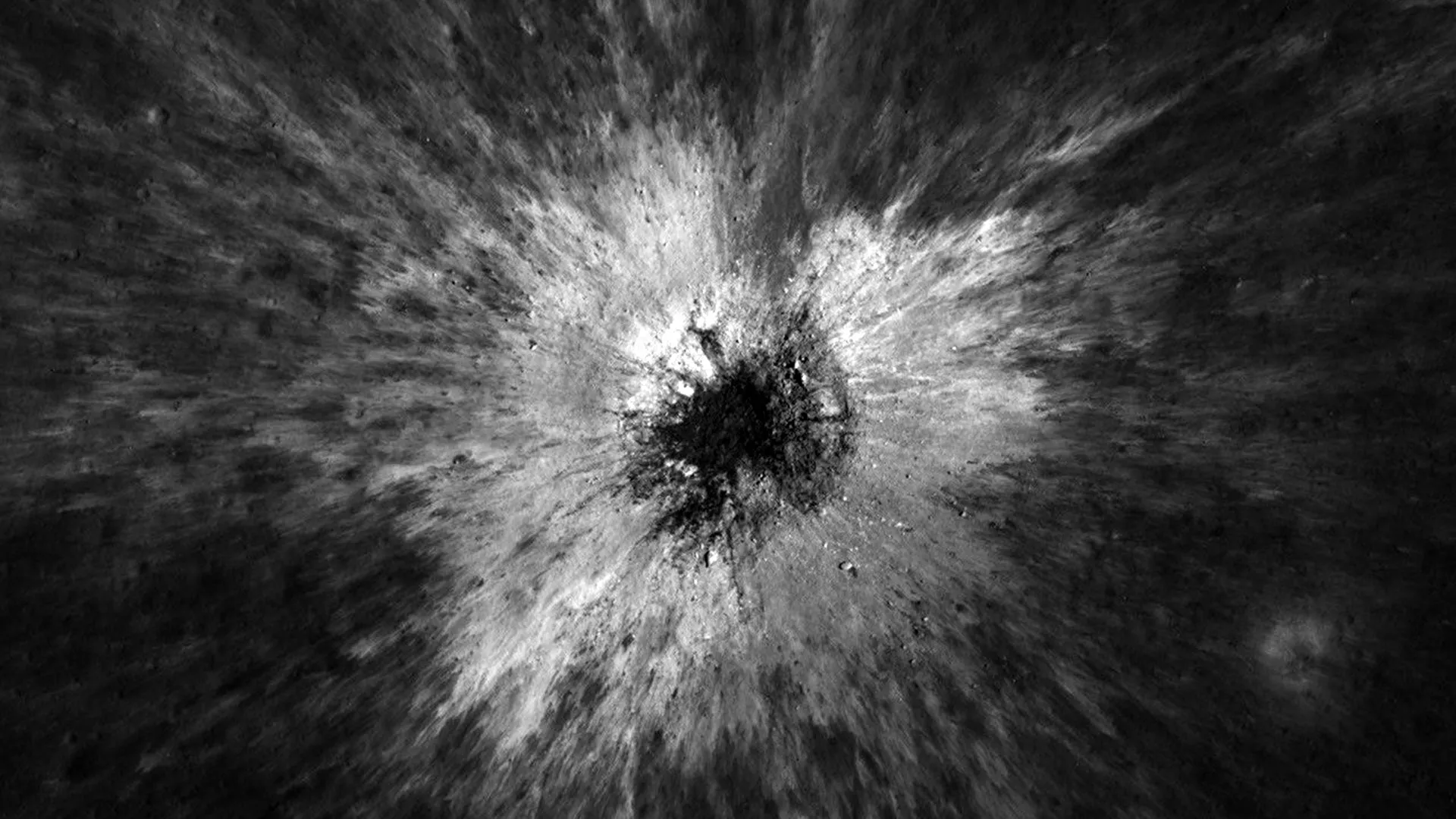
NASA’s Moon orbiter finds a 728-foot crater formed by asteroid impact in 2024
 ↗
↗
NASA’s Lunar Reconnaissance Orbiter has revealed a 728-foot-wide crater that formed on the Moon in 2024, making it the largest newly formed crater ever identified in the solar system.
The discovery of the McGetchin crater provides insights into the Moon's geological activity and the frequency of large impacts. Understanding such events is crucial as NASA plans for human missions and potential commercial activities on the Moon.
Written by elseif from the cluster below · every claim links back to a sourceThe three things worth knowing
The crater, named McGetchin, was formed by an impact from an asteroid or comet between April and May 2024.
The area around the crater exhibits a significant temperature drop, indicating changes in the lunar regolith due to the impact.
NASA's Lunar Reconnaissance Orbiter has been instrumental in identifying new craters and tracking changes on the Moon for over 17 years.
THE READ
What the cluster adds up to.
The identification of the McGetchin crater marks a significant finding in lunar geology, indicating that large impacts can reshape the Moon's surface. This crater measures 728 feet in width and is estimated to have formed from an asteroid or comet approximately the size of a three- to six-story building. Such large impacts are rare, occurring roughly once a century, emphasizing the importance of monitoring lunar activity.
The crater's formation also resulted in a notable thermal anomaly; surrounding areas are recorded to be about 16 degrees Fahrenheit colder than the adjacent terrain. This discovery suggests that the impact altered the lunar regolith's density and composition, providing scientists with valuable data regarding the Moon's geophysical properties and how impacts can affect its environment.
NASA's Lunar Reconnaissance Orbiter has been crucial in tracking lunar changes over the years, having documented over 1,000 new craters and significant surface alterations. The findings from the McGetchin crater align with NASA’s goals for sustained human presence and increasing commercial activity on the Moon, as they indicate the dynamic nature of the lunar surface and the potential hazards posed by impacts.
Written by elseif from the cluster below · checked for specifics the sources never containedTHE CLUSTER