INFRA Signal 89
New chemical wipes out 95% of termites without harming humans
 ↗
↗
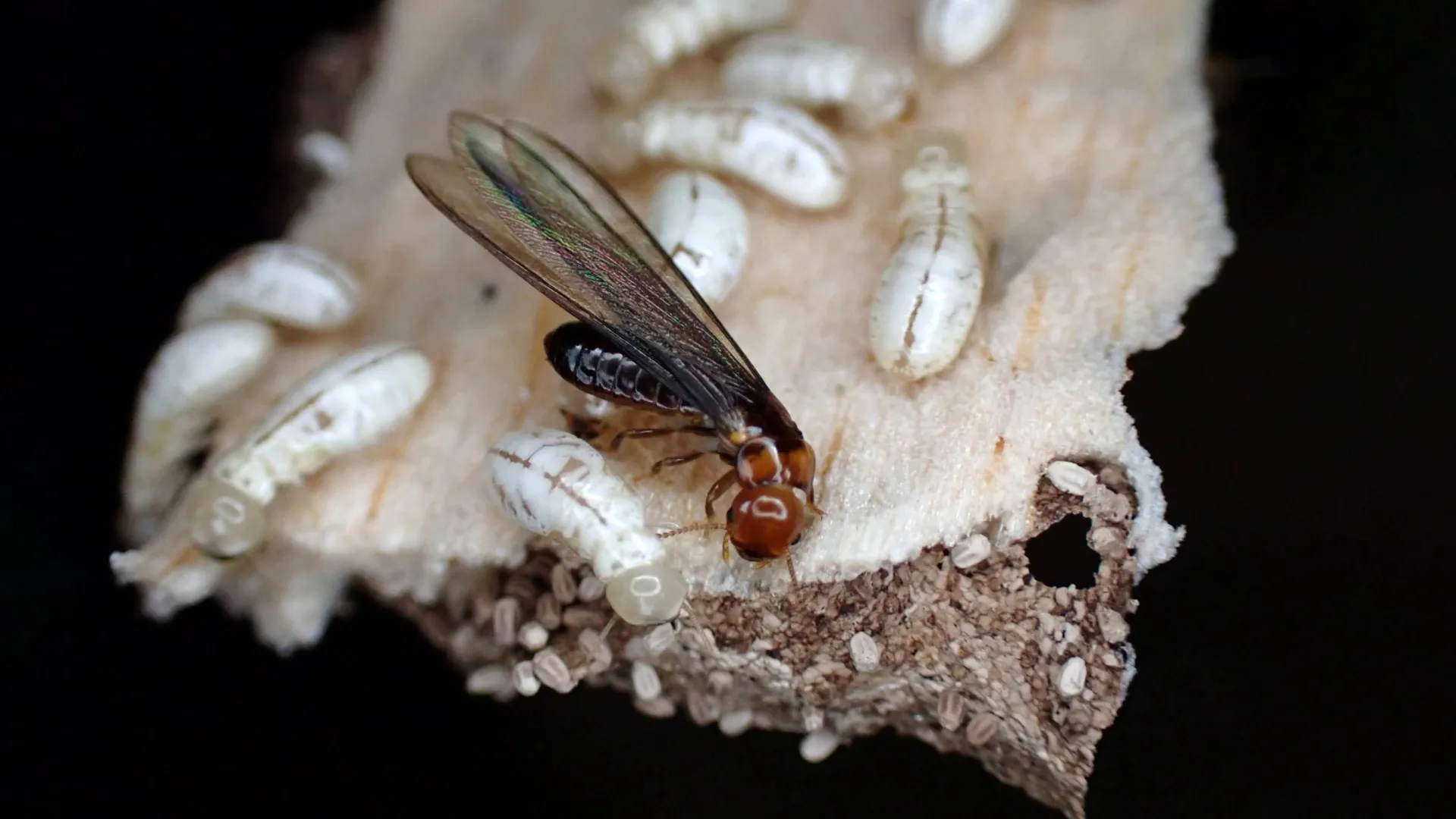
A chemical that stops drywood termites from building new exoskeletons killed about 95% of colonies in testing, offering a potentially safer alternative to traditional fumigation.
This new chemical, bistrifluron, presents a significant advancement in pest control by specifically targeting termite biology without affecting humans. Its mode of action disrupts the molting process, which is a critical phase of termite development, potentially leading to more effective and environmentally friendly pest management strategies.
Written by elseif from the cluster below · every claim links back to a sourceThe three things worth knowing
Bistrifluron disrupts the synthesis of chitin, essential for termite exoskeletons.
The chemical offers a safer alternative to traditional fumigation methods.
Testing showed about 95% mortality in termite colonies exposed to the chemical.
THE READ
What the cluster adds up to.
The introduction of bistrifluron marks a pivotal change in termite control by specifically targeting the molting process of drywood termites. By inhibiting chitin synthesis, this chemical takes advantage of a vulnerability in the insect's life cycle, leading to high mortality rates without harming non-target species like humans.
The effectiveness of bistrifluron has been demonstrated in both treated and untreated wood scenarios, achieving up to 99% mortality under continuous exposure. This suggests that the method could be integrated into existing pest management practices, potentially reducing the need for more hazardous chemicals.
While bistrifluron is effective against drywood termites, it may not work against all types of termite infestations, particularly subterranean termites, which require different treatment strategies. Its application may need to be tailored based on the specific pest and environment to ensure optimal results.
The chemical's slower action means that it may take time to observe results, which could impact how pest control measures are implemented. However, its targeted approach could lead to a more sustainable solution in managing termite populations by minimizing environmental harm and improving safety for human occupants.
Incorporating bistrifluron into pest control strategies could shift the focus towards more biologically-based methods, emphasizing the need for research into similar compounds that target other pest species. This could lead to a broader revolution in pest management that prioritizes safety and efficacy.
Written by elseif from the cluster below · checked for specifics the sources never containedTHE CLUSTER