TECH Signal 418
Banning diesel exports reportedly won't lower gas prices and may worsen the situation
 ↗
↗
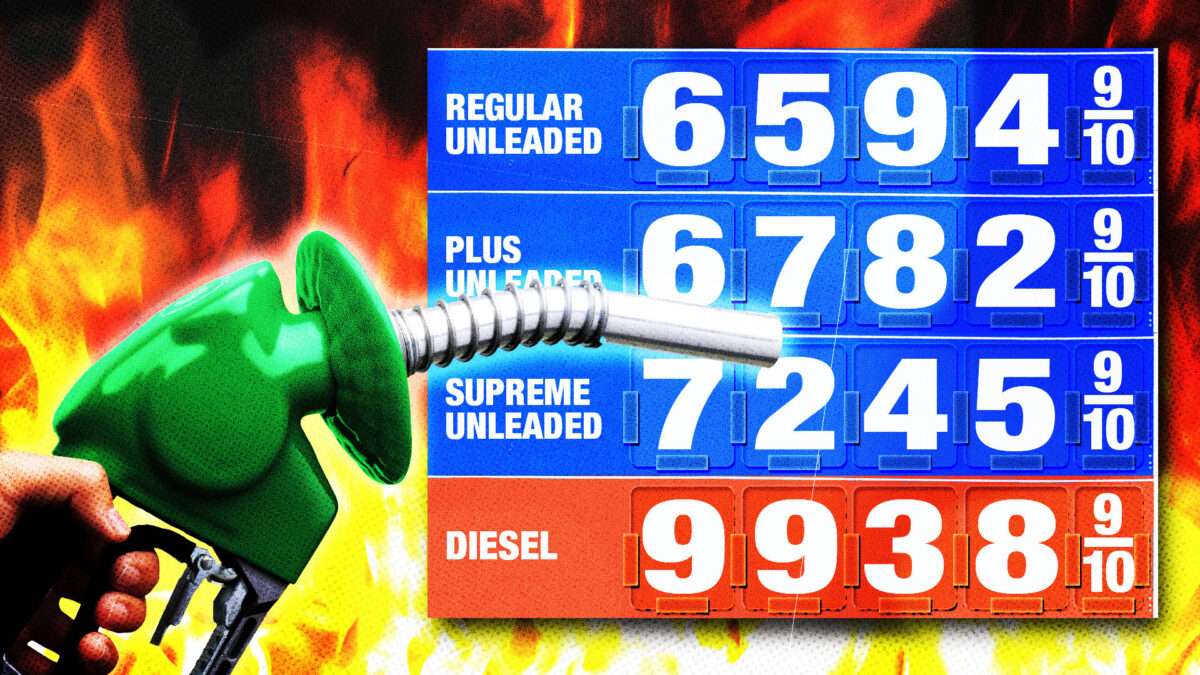
A proposed ban on diesel exports could lead to higher prices instead of relief.
The potential ban on diesel exports is a significant economic consideration. It reflects the complexities of supply and demand in global markets and highlights the unintended consequences of regulatory actions. Understanding these dynamics is crucial for engineers and industry stakeholders involved in logistics and fuel consumption.
Written by elseif from the cluster below · every claim links back to a sourceThe three things worth knowing
Banning diesel exports may lead to reduced production and higher prices due to storage limitations.
The global nature of diesel trading means U.S. restrictions could increase wholesale prices worldwide.
A ban could signal market instability, prompting other countries to impose similar restrictions.
THE READ
What the cluster adds up to.
The discussion around banning diesel exports stems from rising diesel prices impacting various sectors, particularly agriculture. Advocates argue that retaining domestic diesel could lower local prices. However, the mechanics of supply and demand suggest that such a ban would likely restrict production capacity due to limited storage for excess diesel, increasing prices instead.
American refineries produce significantly more diesel than the country consumes, and without the option to export, these facilities would face storage issues. This could lead to a cut in production rates, creating a supply crunch that would exacerbate the very pricing issues that the ban seeks to resolve.
Moreover, the interconnectedness of the global diesel market means that a unilateral ban could push prices up on the global stage. This adjustment would not only affect domestic prices but could also have ripple effects on regions reliant on diesel imports, such as the East Coast, where already high prices could increase further.
In addition to immediate market impacts, the potential for retaliatory actions from other nations poses long-term risks. If the U.S. were to restrict exports, other countries might follow suit, leading to a more volatile and less predictable market environment that could hinder both domestic producers and consumers.
Ultimately, while the intention behind banning diesel exports may be to alleviate costs for consumers, the broader economic implications suggest that this approach could be counterproductive. A comprehensive understanding of market dynamics is essential for making informed policy decisions that do not worsen supply chain challenges.
Written by elseif from the cluster below · checked for specifics the sources never containedTHE CLUSTER